Tanager or Silver-Beaked Tanager?
Here's how to tell the difference
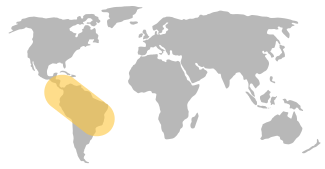

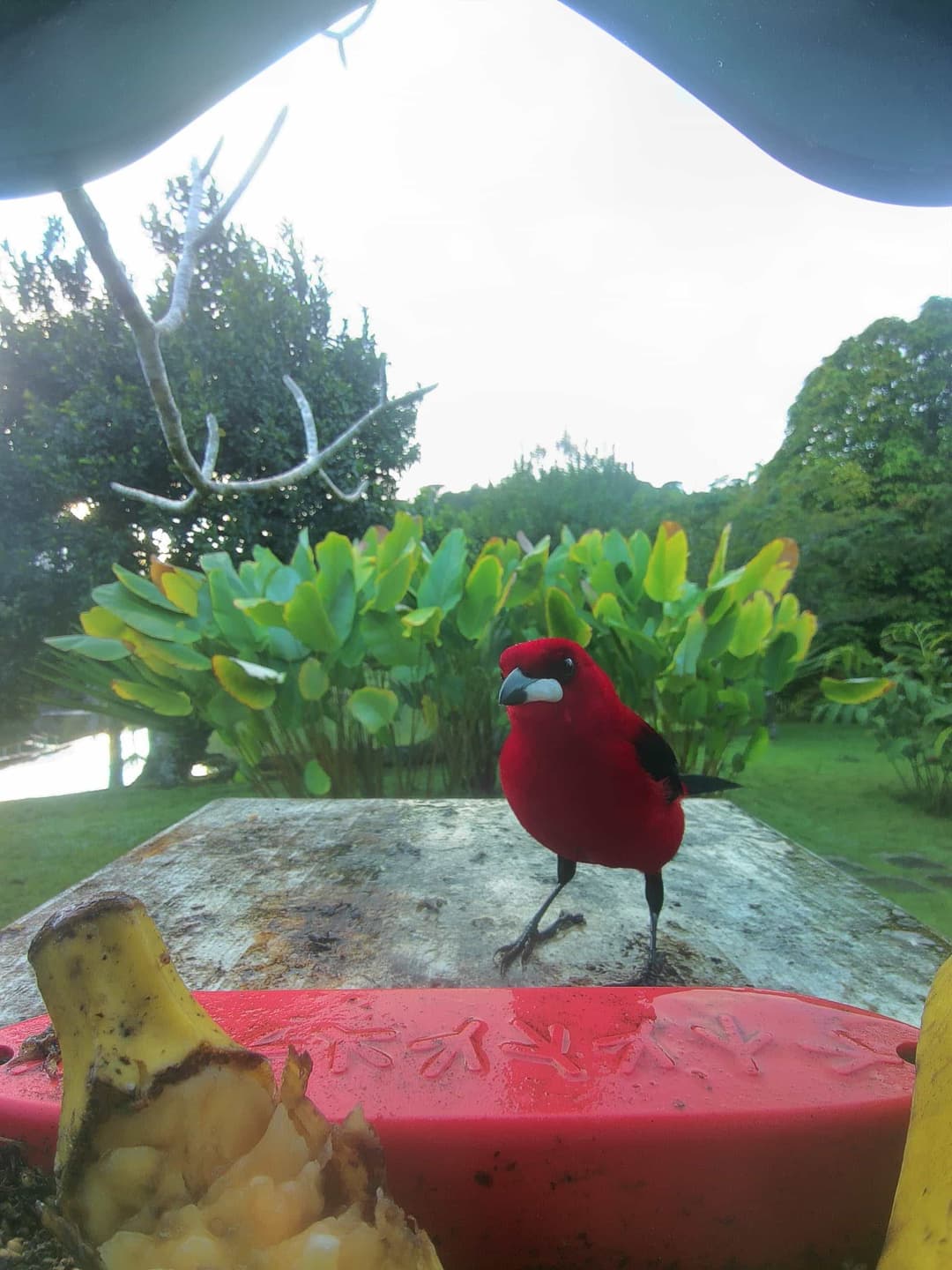
Tanager

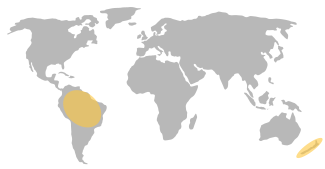
Silver-Beaked Tanager
Tanager
Tangara, Stilpnia, Thraupis
General appearance
Tanager is a bird distinguished for its vibrant coloration, inclusive of shades such as red, orange, yellow, green, blue, and black. Their size ranges between 11cm to 20cm. The build is often compact, with stout bills and short wings. The Tanagers can be identified in wild by their striking colors and diverse vocalizations.
Male vs female
Males generally exhibit more striking and brighter colors than female tanagers. They often have deep red, blue, or yellow hues, whereas females lean more towards green or yellow-green and might sometimes appear more subdued. Further, some species show little to no difference in coloration between genders. Seasonal variations also exist, where the male's vibrant colors fade after the breeding period.
Juvenile
Juvenile tanagers typically wear modest plumage compared to adults. They usually share similarity with adult females in coloration, yet vary across species. In some species, juvenile males develop adult male coloration in gradual stages during months or years.
Size
4.7 - 7.1 in/0.5 - 1.6 oz
There's more to learn about Tanager
View full detailsSilver-Beaked Tanager
Ramphocelus carbo
General appearance
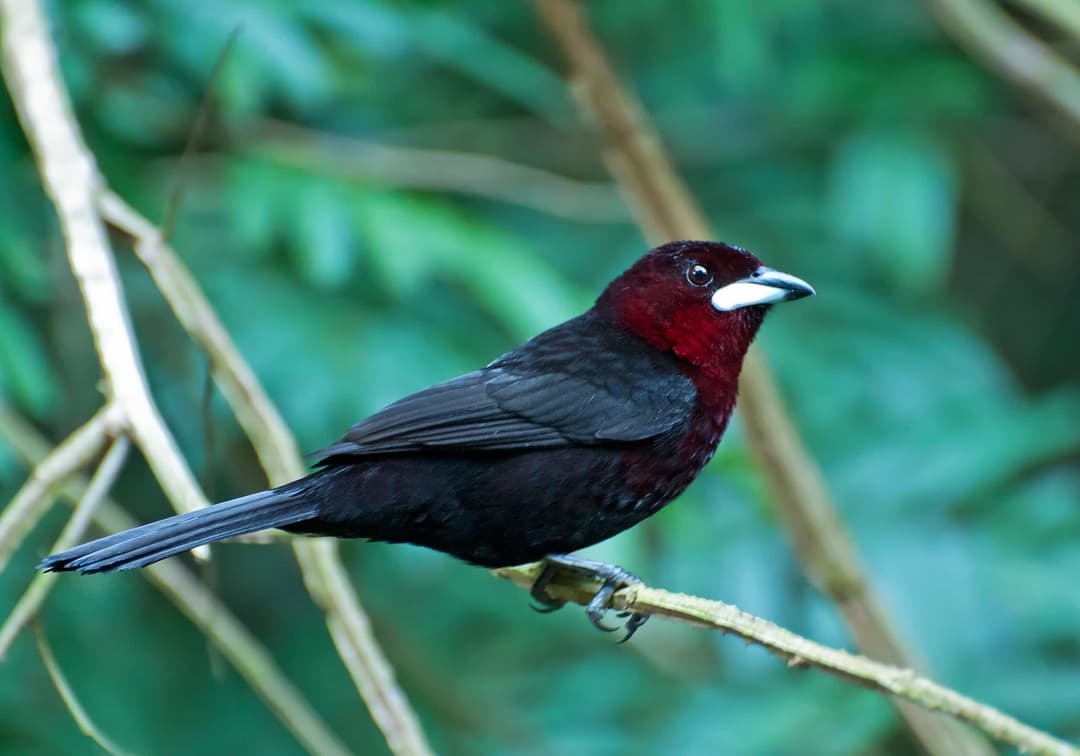
The Silver-beaked Tanager is a medium-sized bird characterized by a stout, silver-gray bill. They boast a glossy, deep crimson color, more radiant in males, encompassing the entire body except for the black remiges and rectrices. Their eyes are a striking white, adding to their distinctive appearance. Their size ranges from 17 to 20 cm.
Male vs female
In sexual dimorphism, the males are larger and exhibit a richer, deeper red coloration than females. Moreover, the lower mandible in mature males is broader and deeper silver, unlike females with narrower and paler mandibles. Both genders share the grayish lower mandible and the darker upper one.
Juvenile
Juvenile Silver-beaked Tanagers appear duller, with brownish upperparts and faintly washed reddish underparts. Their bill initially shows an amber color, which turns to grayish-silver as they mature. There isn't a significant seasonal variation in their appearance.
Size
6.3 - 6.7 in/0.8 - 1.3 oz
There's more to learn about Silver-Beaked Tanager
View full detailsHow to tell the Tanager from the Silver-Beaked Tanager
Visual differences
Tanager species typically range from 4.3 to 7.1 inches in length and display vibrant colors like red, orange, yellow, green, and blue. They have stout bills and their plumage can vary significantly across sexes and ages. In contrast, the Silver-Beaked Tanager measures about 6.3 to 6.7 inches, highlighting a uniform deep crimson plumage, excluding its black wings and tail. Its striking silver-gray beak and white eyes distinctly differentiate it. The Silver-Beaked Tanager’s males are larger and exhibit richer hues compared to females, who possess a paler lower mandible.
Key differences and behavior
Tanagers (Tangara, Stilpnia, Thraupis) are versatile in habitat, spanning lush regions from Canada to the Andes, whereas Silver-Beaked Tanagers primarily inhabit the Amazon Basin but adapt to urban gardens. In terms of behavior, tanagers are often bold, exploring towns and engaging in vibrant courtship; Silver-Beaked Tanagers are more sociable, typically in groups, and are known for lively understorey activities. Both species forage for fruits and insects, but tanagers also seek nectar, showcasing adaptability. For nesting, both build cup-shaped nests, but Silver-Beaked Tanagers prefer lower heights under two meters, with their courtship involving subtle feather displays. Tanagers, slightly larger at 11-20 inches and 1.6 ounces, also utilize feeders for fruits and sugar solutions, while Silver-Beaked Tanagers, reaching 6.3-6.7 inches and up to 1.32 ounces, enjoy suet and seeds at feeders.
Still not sure? Here are more lookalikes!
Tanager vs Scrub Tanager
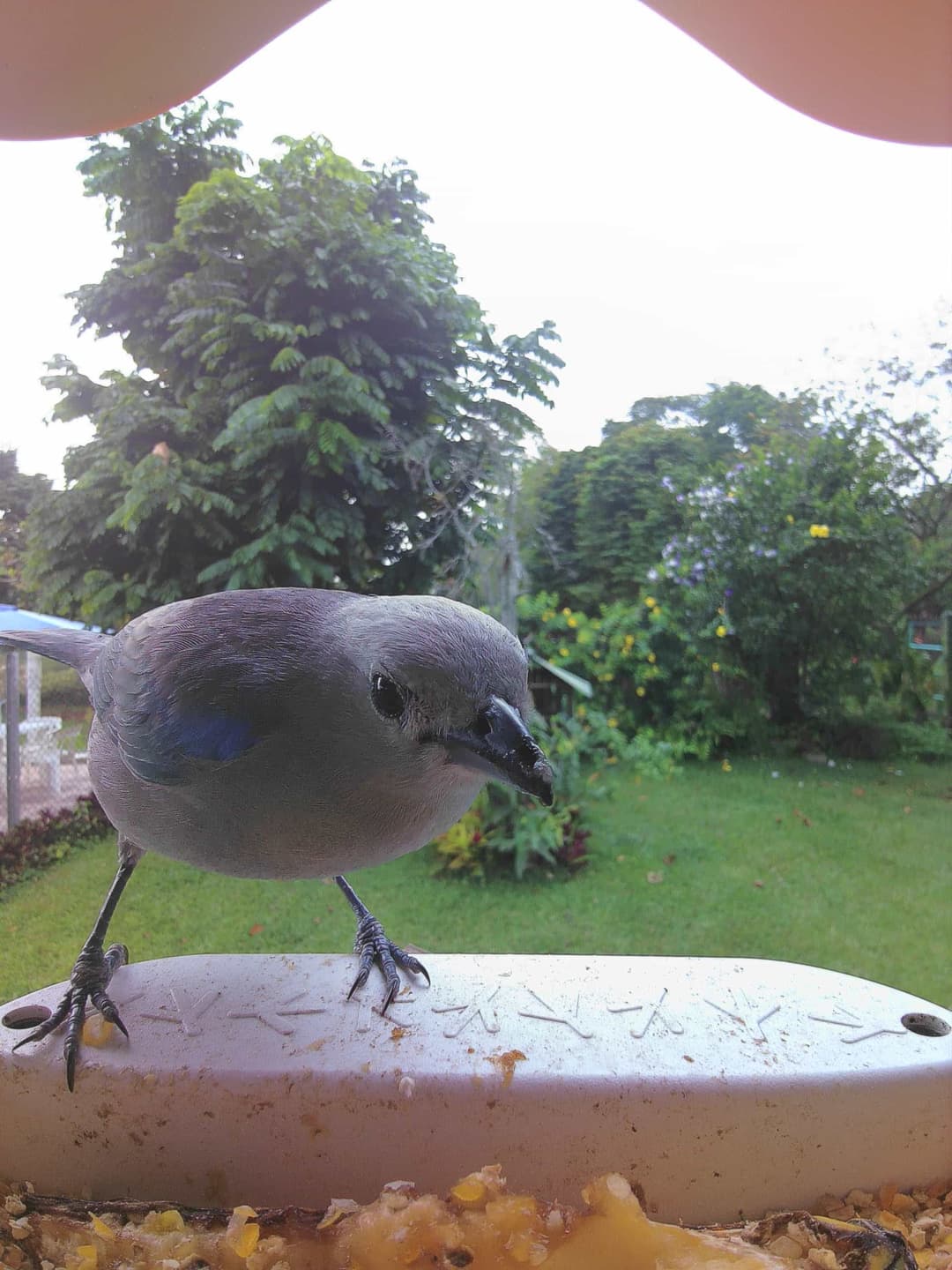
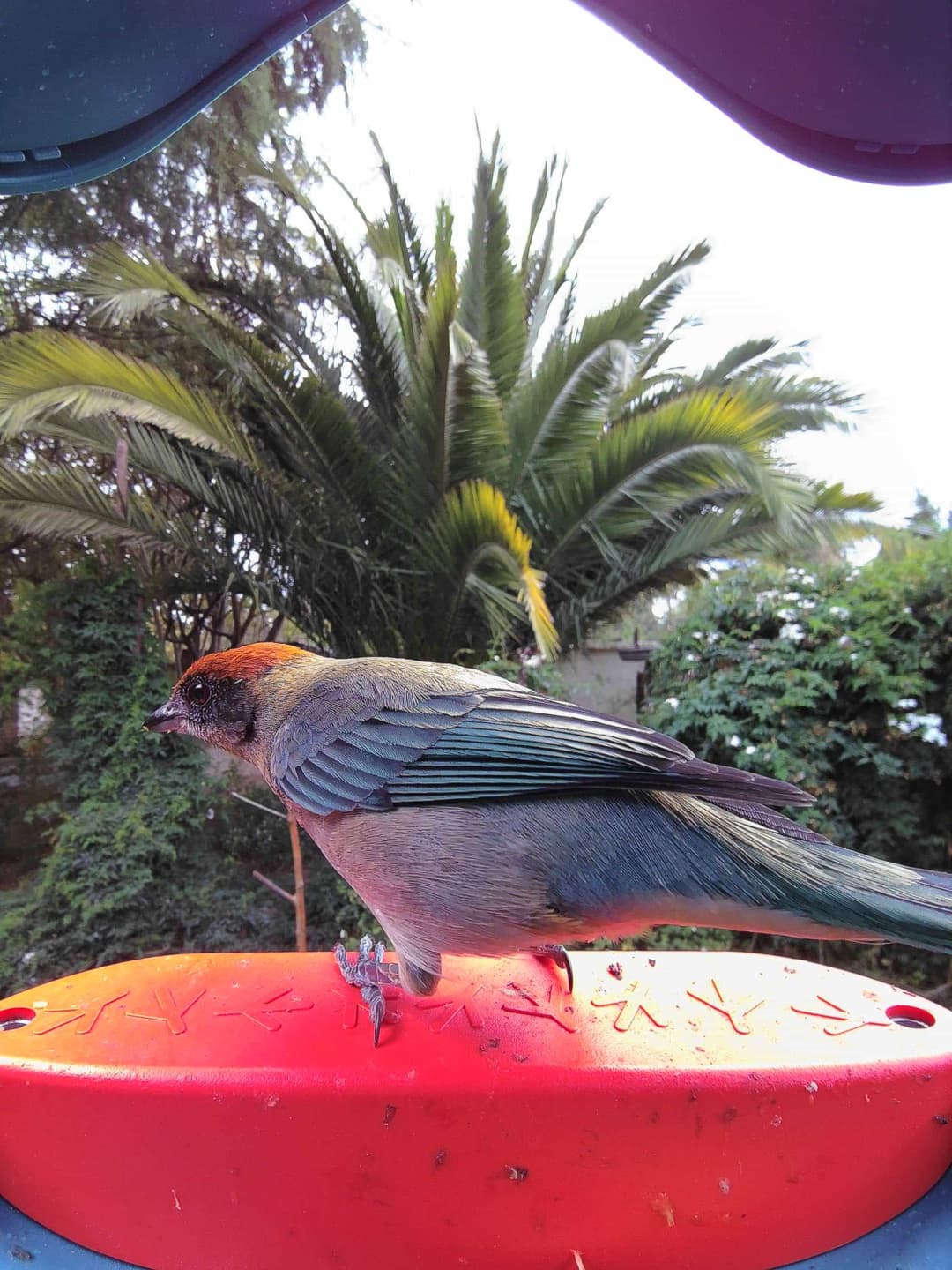
Tanager vs Blue-and-Yellow Tanager
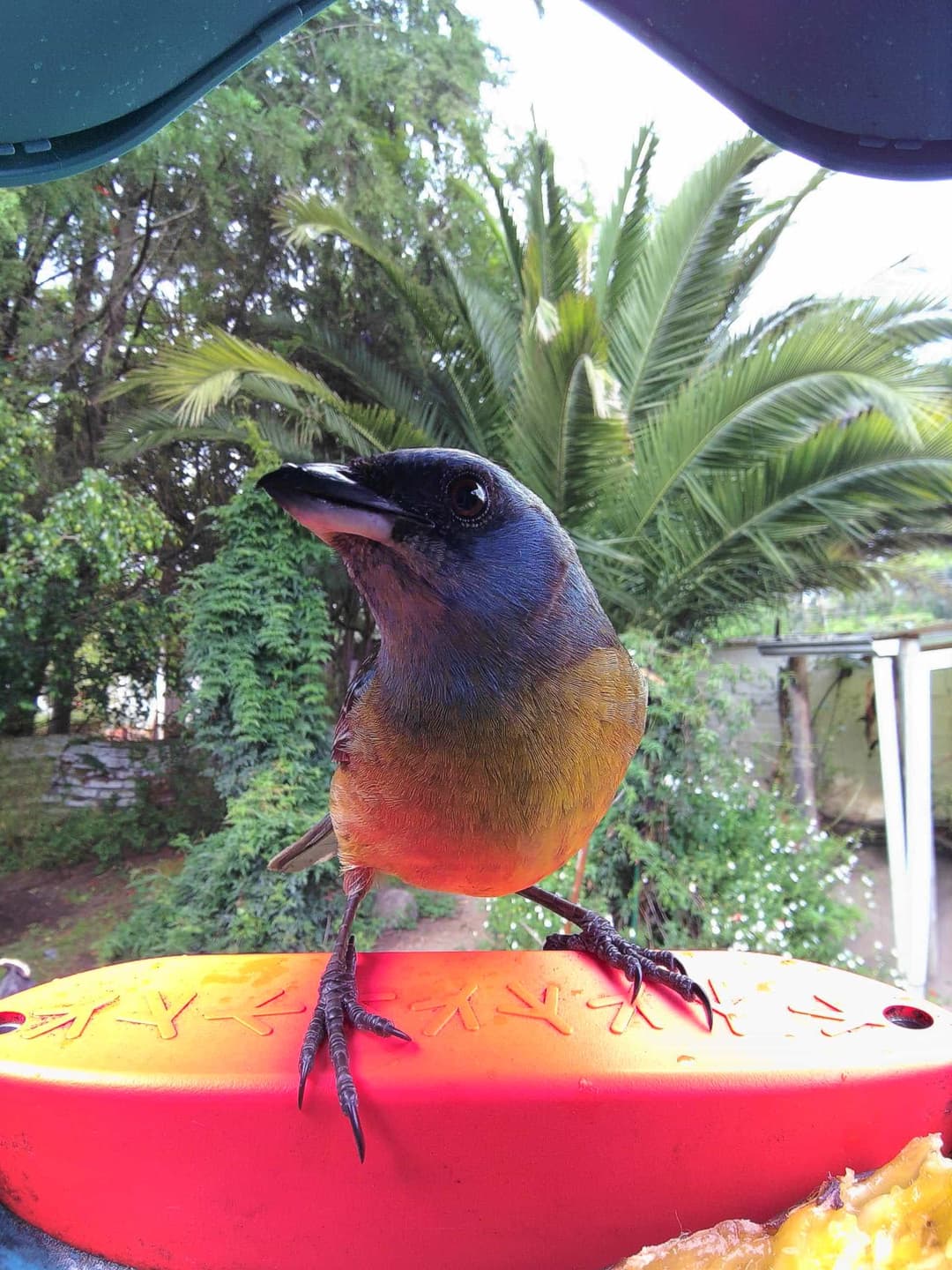
Tanager vs Golden-Chevroned Tanager
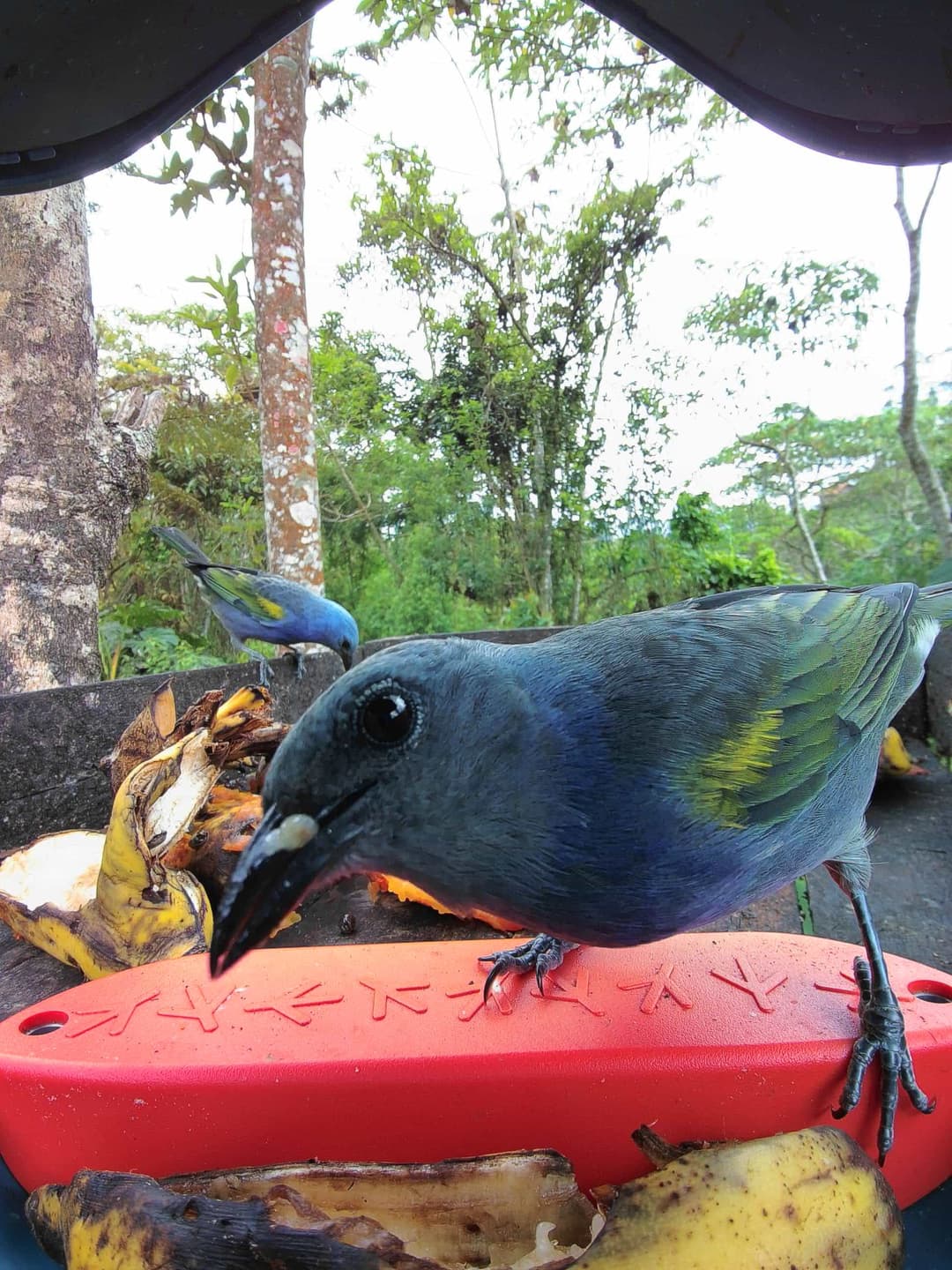
Tanager vs Brassy-Breasted Tanager

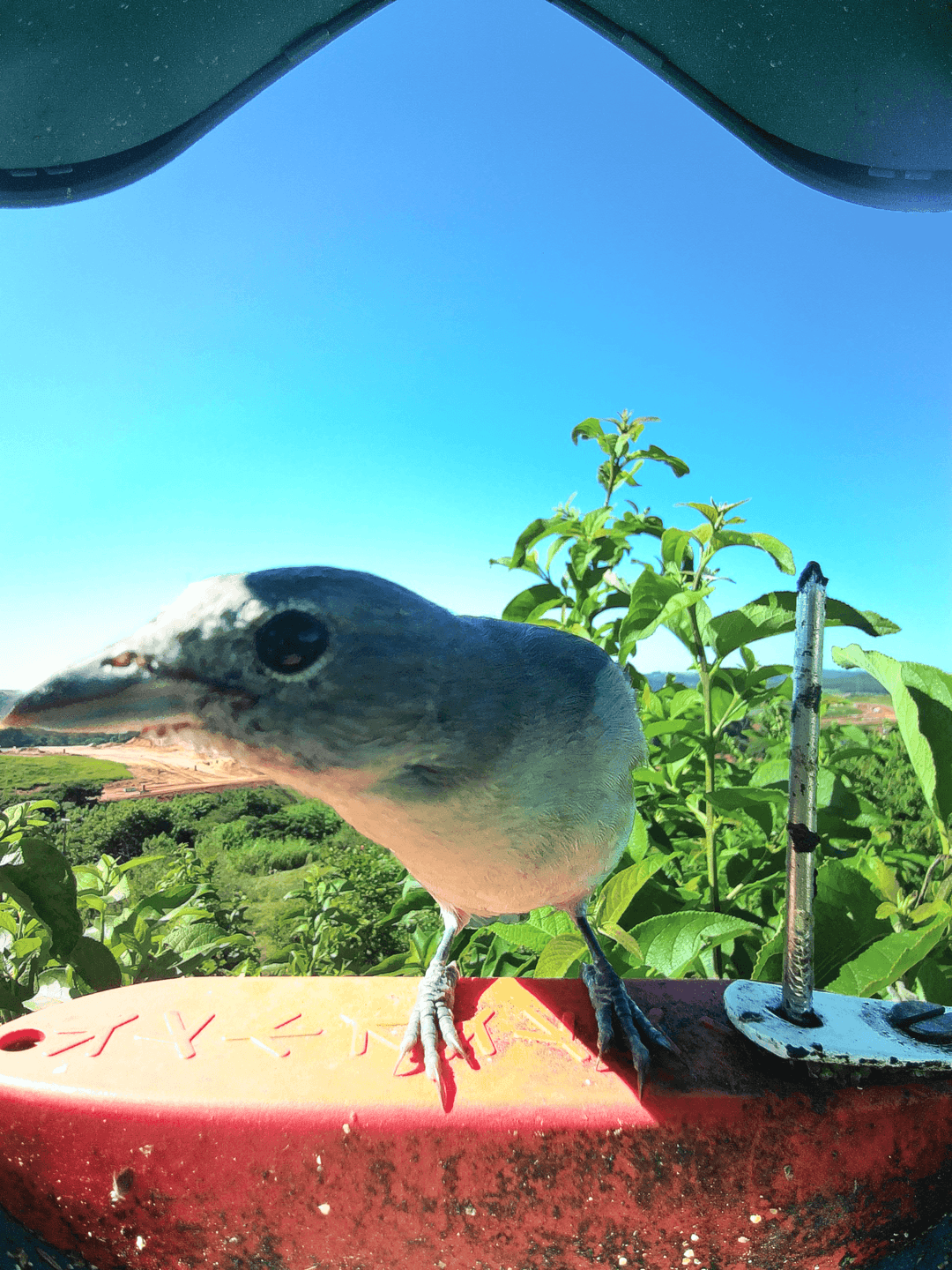
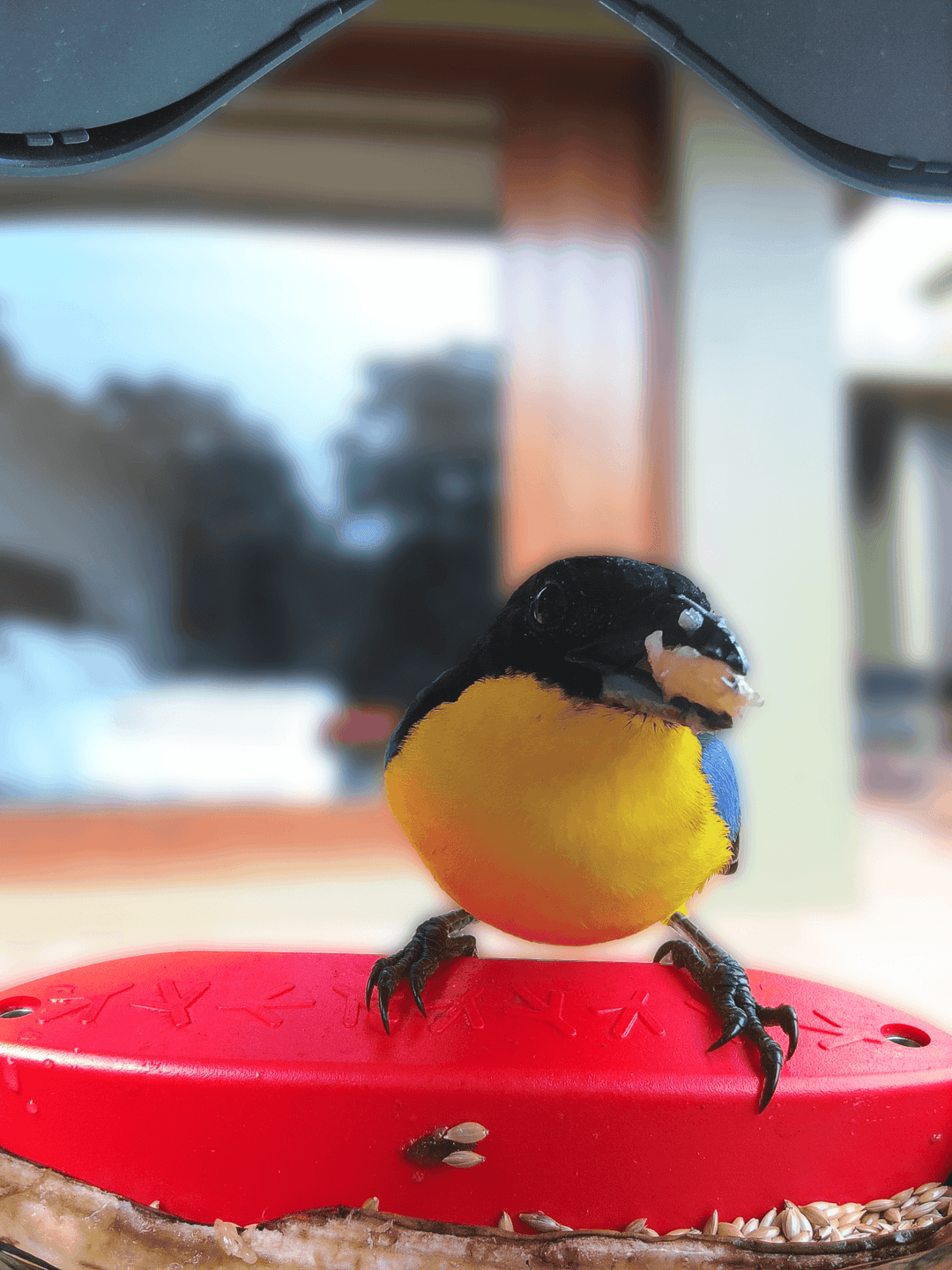
Tanager vs [Select a bird]

[Select a bird]
Pick a bird to compare
Silver-Beaked Tanager vs [Select a bird]
[Select a bird]
Pick a bird to compare