Tanager or Scrub Tanager?
Here's how to tell the difference
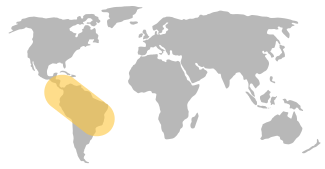


Tanager


Scrub Tanager
Tanager
Tangara, Stilpnia, Thraupis
General appearance
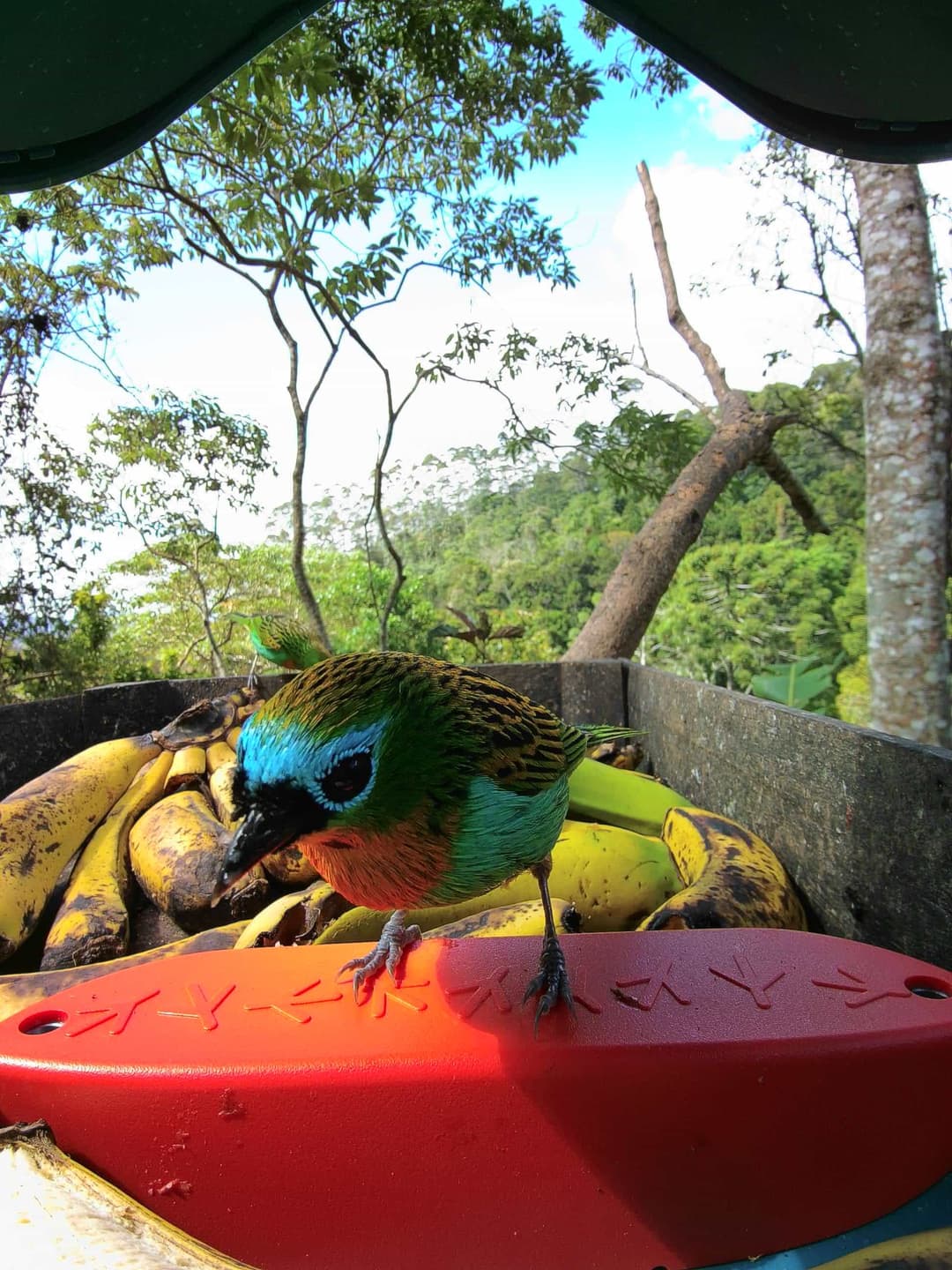
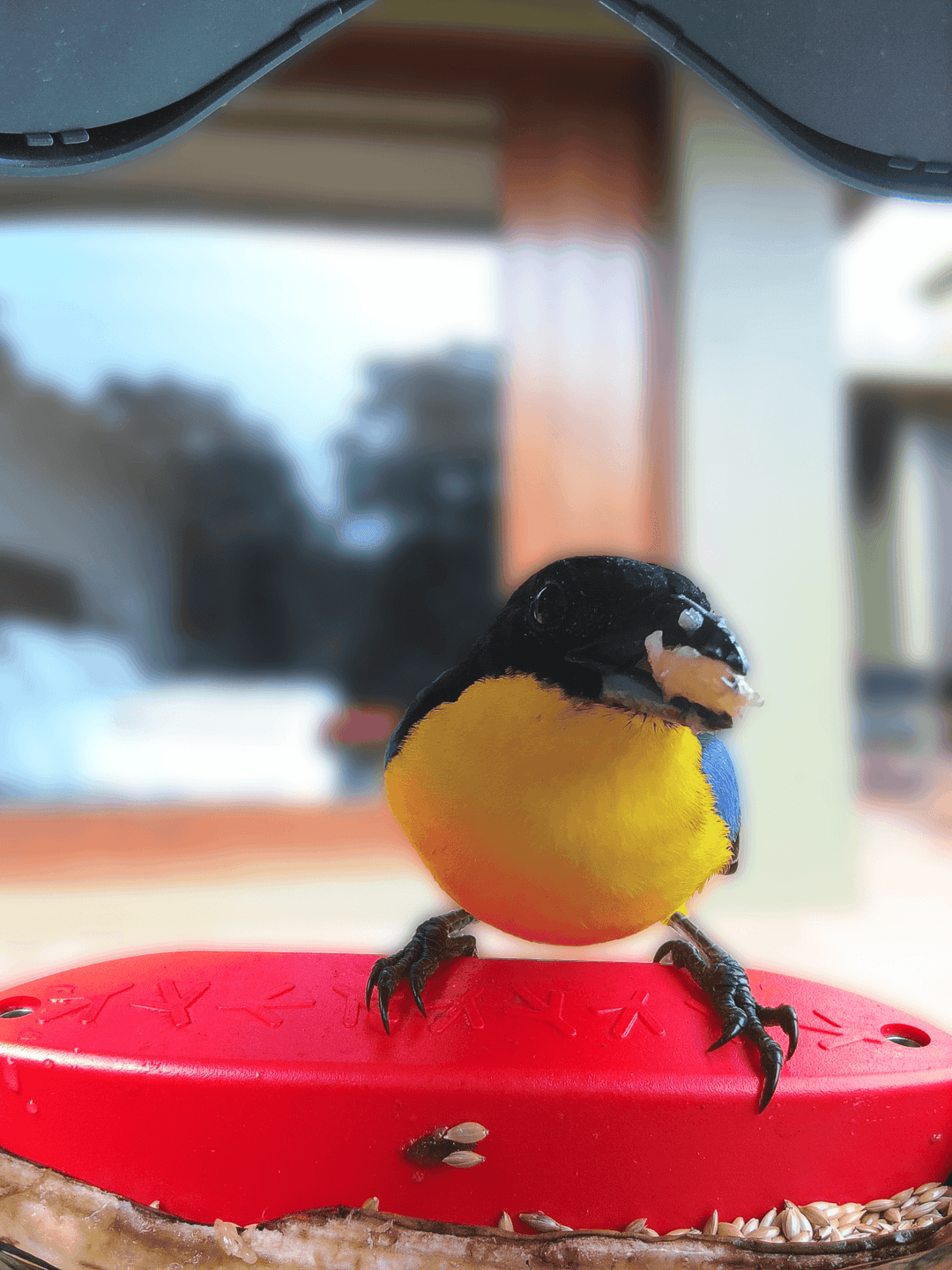
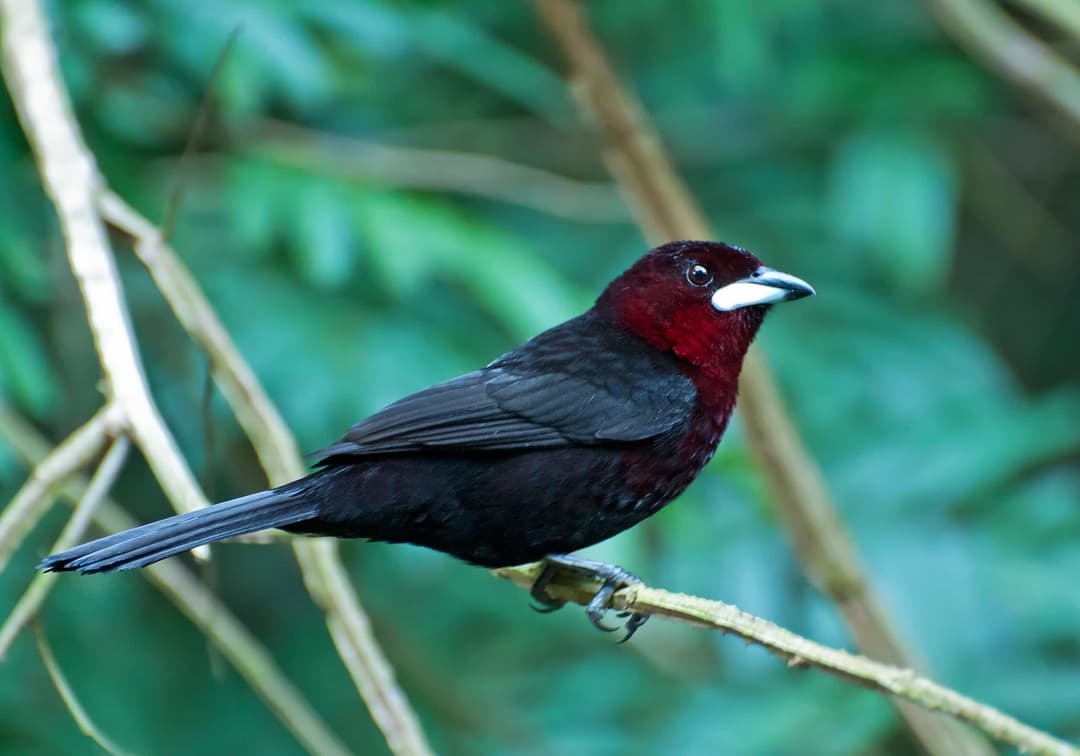
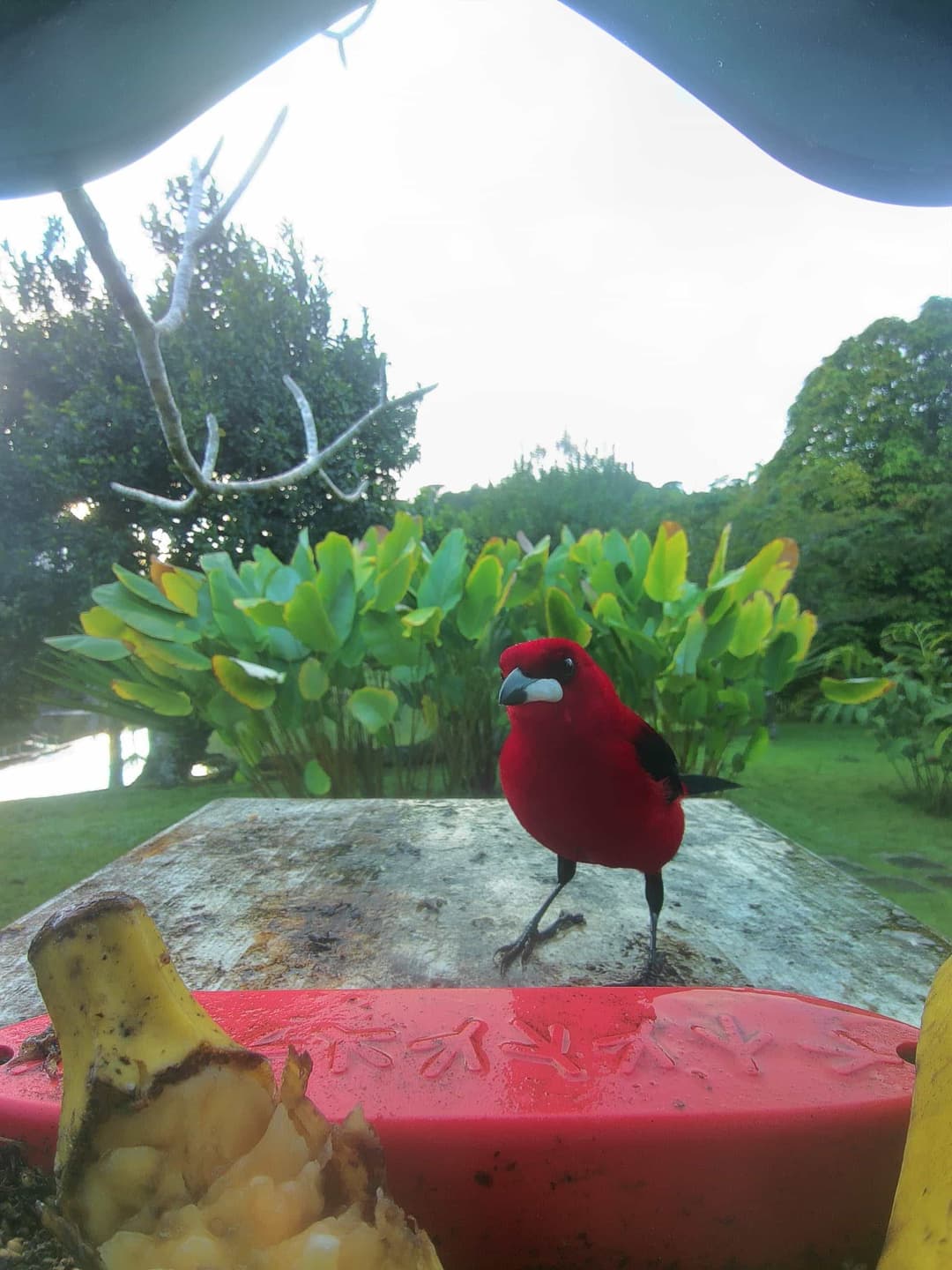
Tanager is a bird distinguished for its vibrant coloration, inclusive of shades such as red, orange, yellow, green, blue, and black. Their size ranges between 11cm to 20cm. The build is often compact, with stout bills and short wings. The Tanagers can be identified in wild by their striking colors and diverse vocalizations.
Male vs female
Males generally exhibit more striking and brighter colors than female tanagers. They often have deep red, blue, or yellow hues, whereas females lean more towards green or yellow-green and might sometimes appear more subdued. Further, some species show little to no difference in coloration between genders. Seasonal variations also exist, where the male's vibrant colors fade after the breeding period.
Juvenile
Juvenile tanagers typically wear modest plumage compared to adults. They usually share similarity with adult females in coloration, yet vary across species. In some species, juvenile males develop adult male coloration in gradual stages during months or years.
Size
4.7 - 7.1 in/0.5 - 1.6 oz
There's more to learn about Tanager
View full detailsScrub Tanager
Stilpnia vitriolina
General appearance
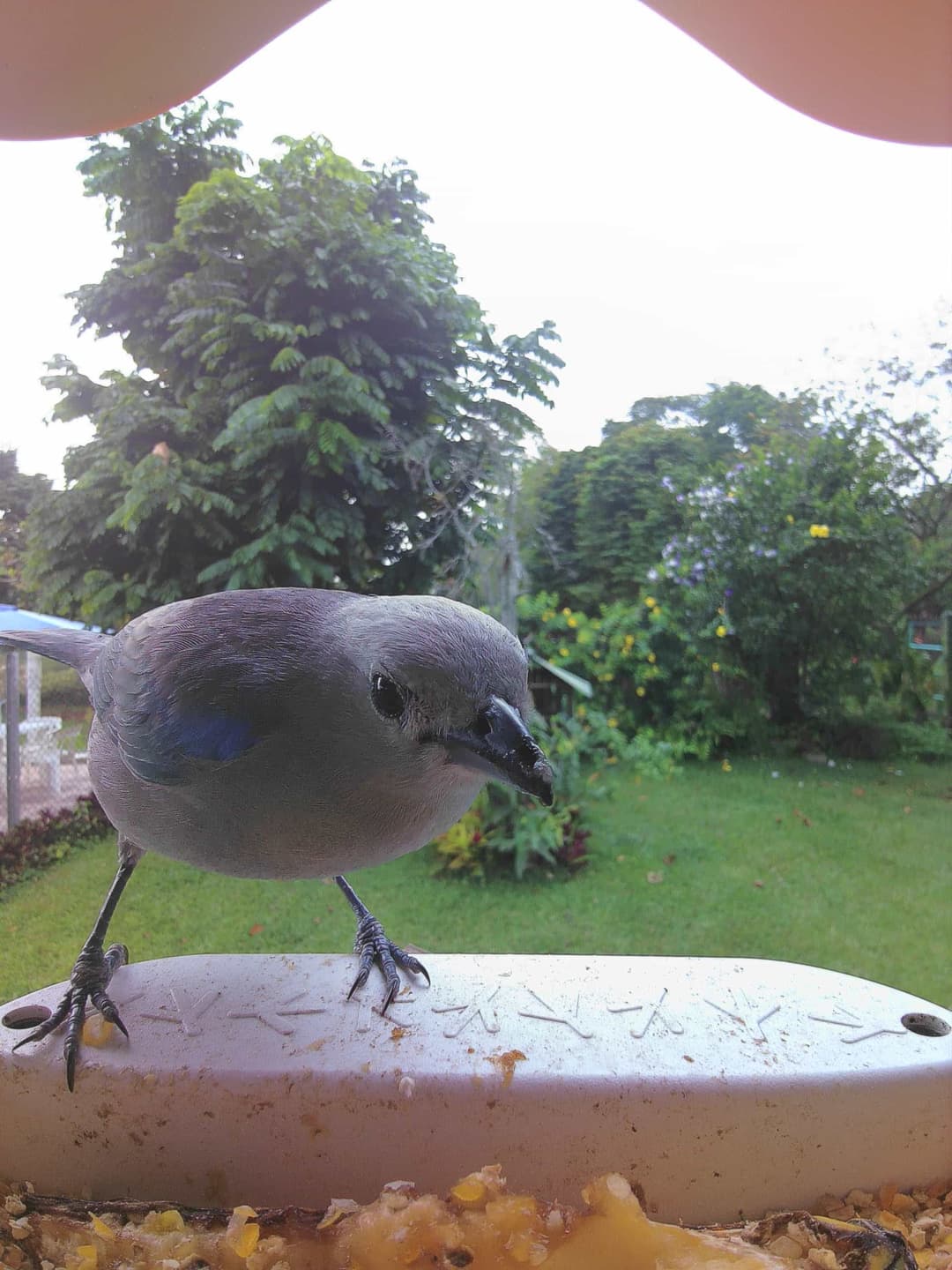
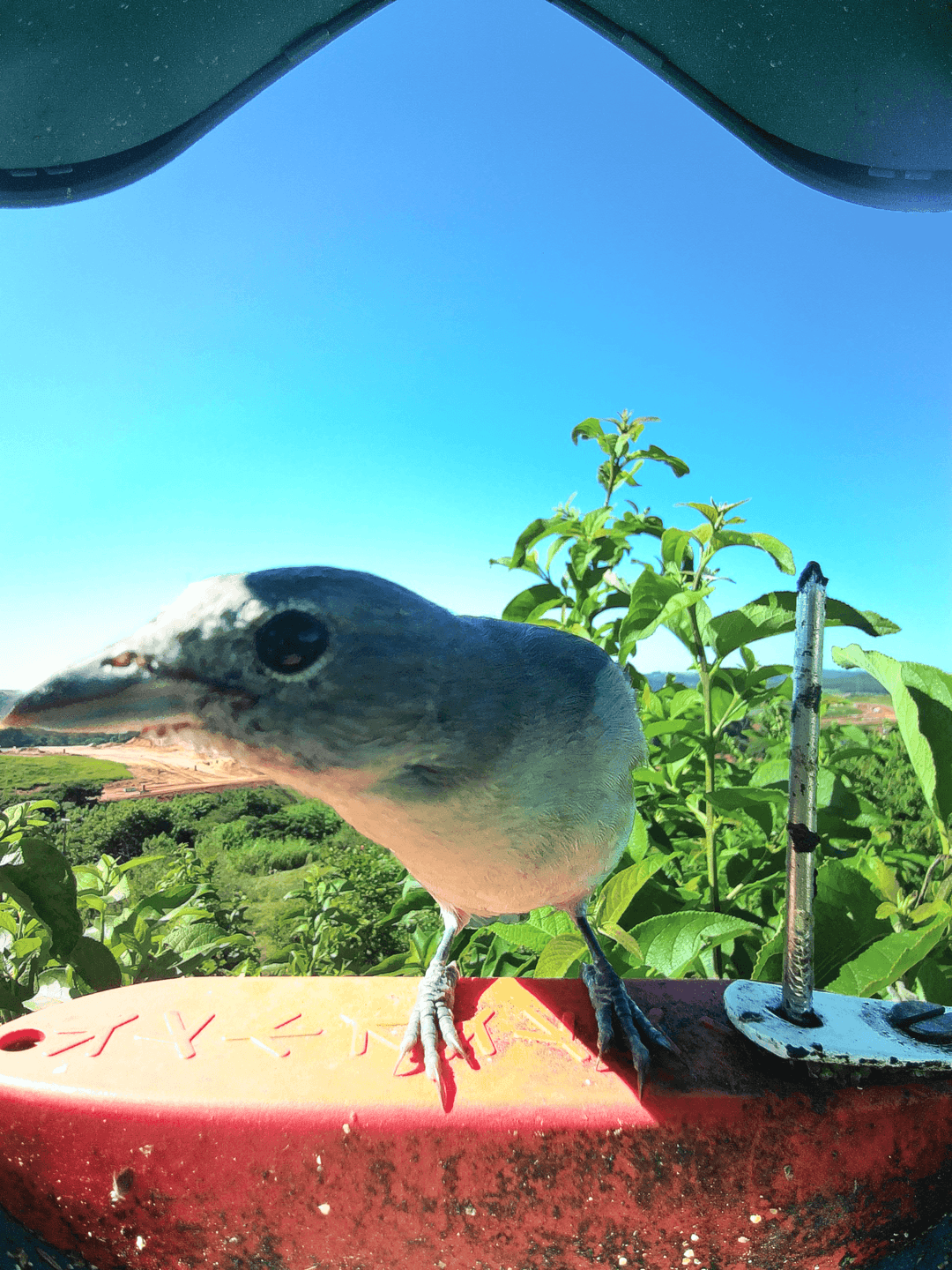
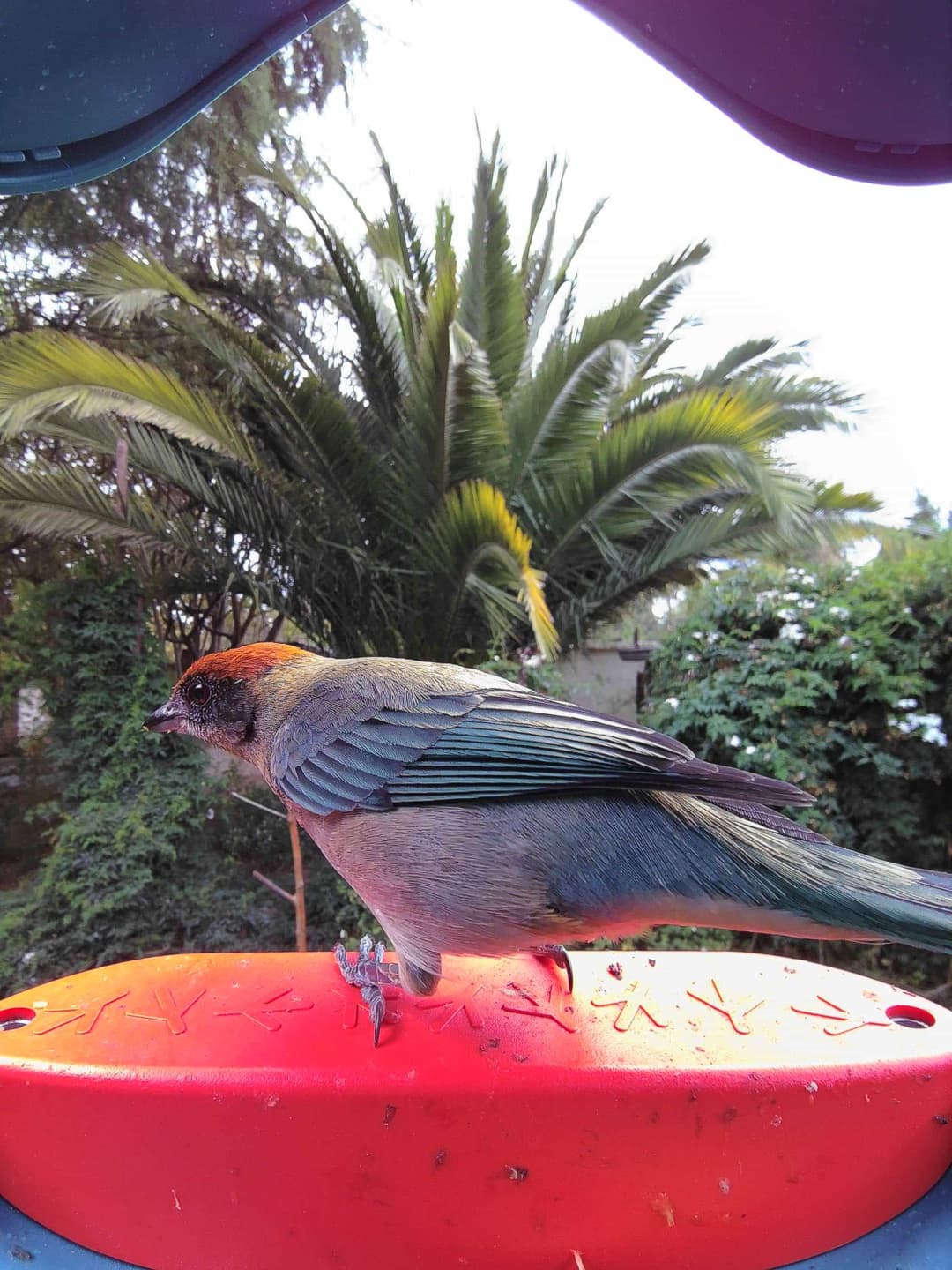
The scrub tanager (Tangara vitriolina) exhibits a vibrant plumage with a combination of blue, green, and gray shades. The body is primarily a blend of blue and green, while the wings and tail display a more vibrant blue. A grayish head and nape are characteristic, alongside a distinct, sharp bill suited for their dietary needs.
Male vs female
Both males and females of the scrub tanager possess similar coloration, making it difficult to distinguish them visually. However, subtle differences can be noted, such as the male's slightly more intense coloration compared to the female.
Juvenile
Juvenile scrub tanagers tend to have duller coloration than adults, with a more muted greenish-blue plumage and less defined gray on the head. This distinction helps in differentiating them from mature individuals in the field.
Size
5.1 - 5.5 in/0.6 - 0.9 oz
There's more to learn about Scrub Tanager
View full detailsHow to tell the Tanager from the Scrub Tanager
Visual differences
Tanager species, generally larger at 4.3-7.9 inches (11-20 cm) and about 1.6 ounces (46 grams), feature a more vibrant palette with stark reds, oranges, and a compact build with stout bills. Scrub Tanagers are smaller at 5.1-5.5 inches (13-14 cm) and lighter at approximately 0.6-0.9 ounces (18.4-26.8 grams), with a unique blend of blue, green, and gray tones. Their wings and tail sport vibrant blue, and both genders display similar, less vivid hues compared to Tanagers, aiding quick identification alongside their sharper bills.
Key differences and behavior
Tanager and Scrub Tanager exhibit notable behavioral differences. Tanagers, found in diverse habitats from subtropical forests to alpine regions, often form large flocks and adapt to various environments, including urban areas. They are vibrant courtship performers with seasonal breeding patterns and rely heavily on fruits, insects, and nectar for nutrition. Scrub Tanagers prefer montane forests and shrublands, residing at elevations between 3,900 and 9,800 feet. They are less social, typically seen in pairs, breeding throughout the year. Their diet includes fruits, insects, and small invertebrates, often sourced from the edges of forests and scrublands. Scrub Tanagers sporadically visit bird feeders, contrasting with Tanagers' frequent feeder behavior.
Still not sure? Here are more lookalikes!
Tanager vs Blue-and-Yellow Tanager
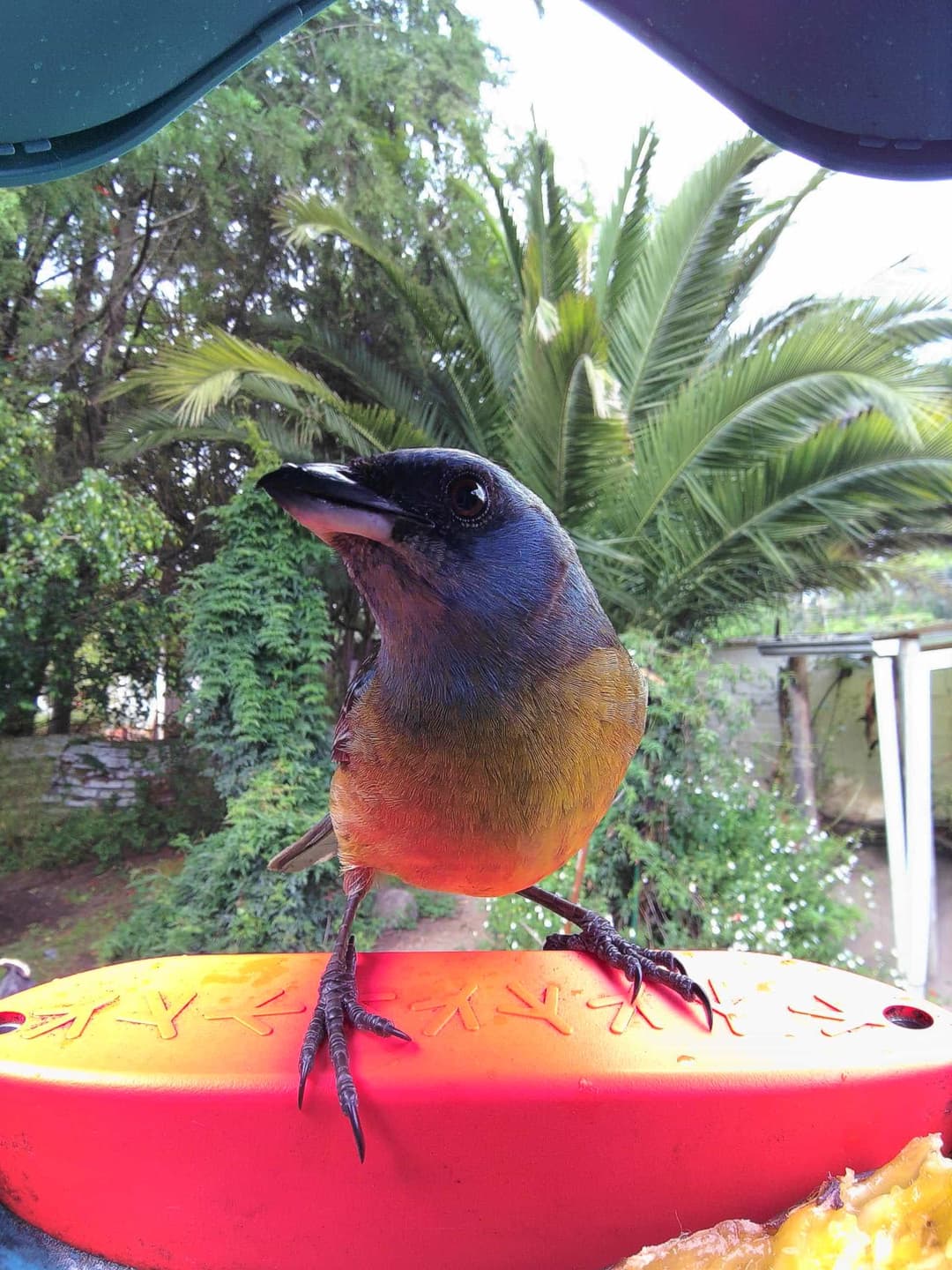
Tanager vs Golden-Chevroned Tanager
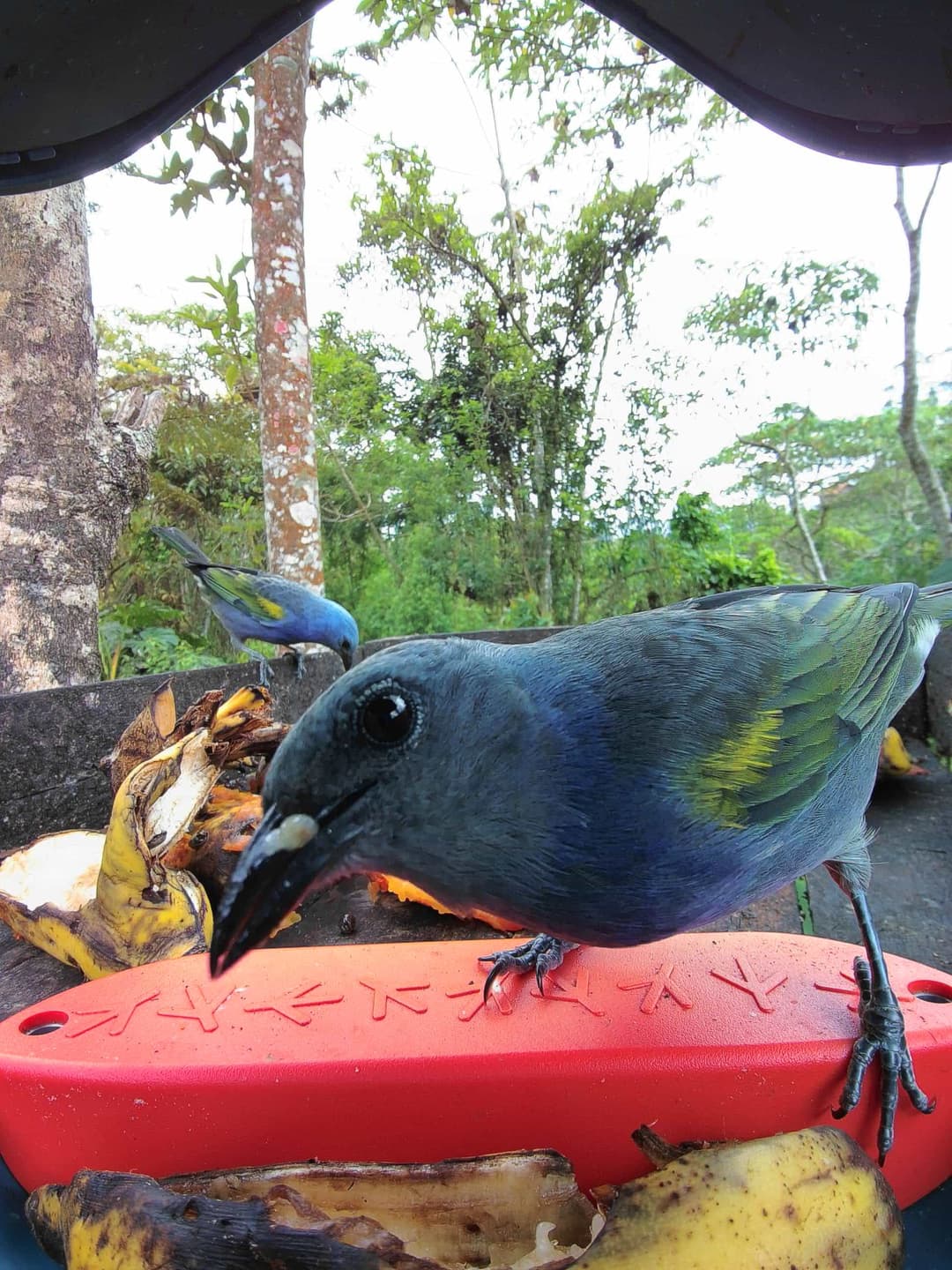
Tanager vs Brassy-Breasted Tanager
Tanager vs [Select a bird]

[Select a bird]
Pick a bird to compare
Scrub Tanager vs [Select a bird]
[Select a bird]
Pick a bird to compare