Tanager or Sayaca Tanager?
Here's how to tell the difference
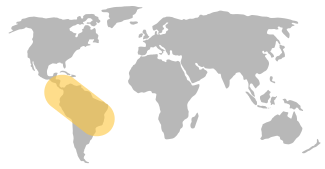

Tanager


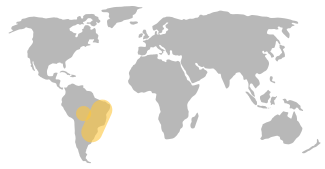
Sayaca Tanager
Tanager
Tangara, Stilpnia, Thraupis
General appearance
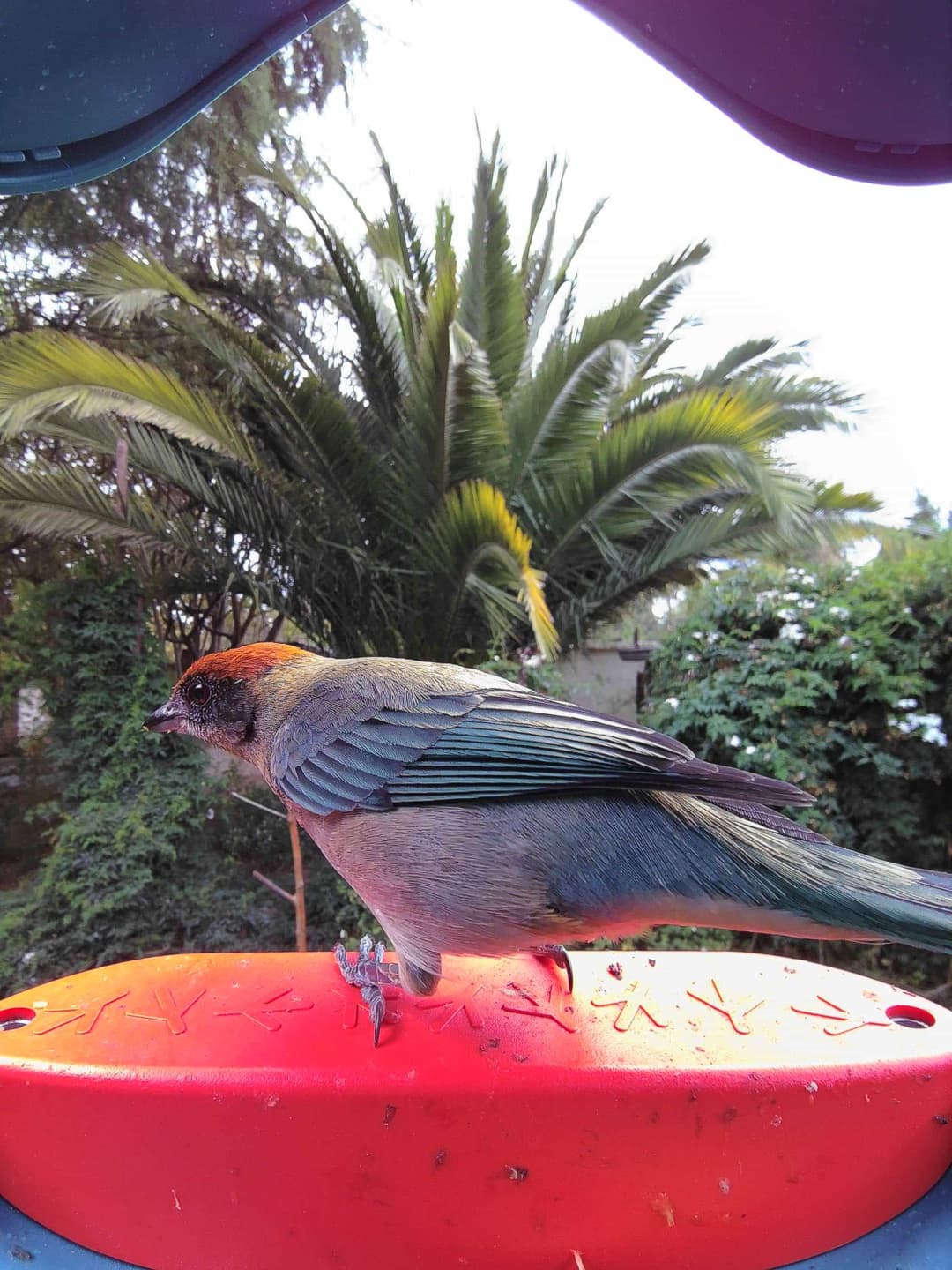
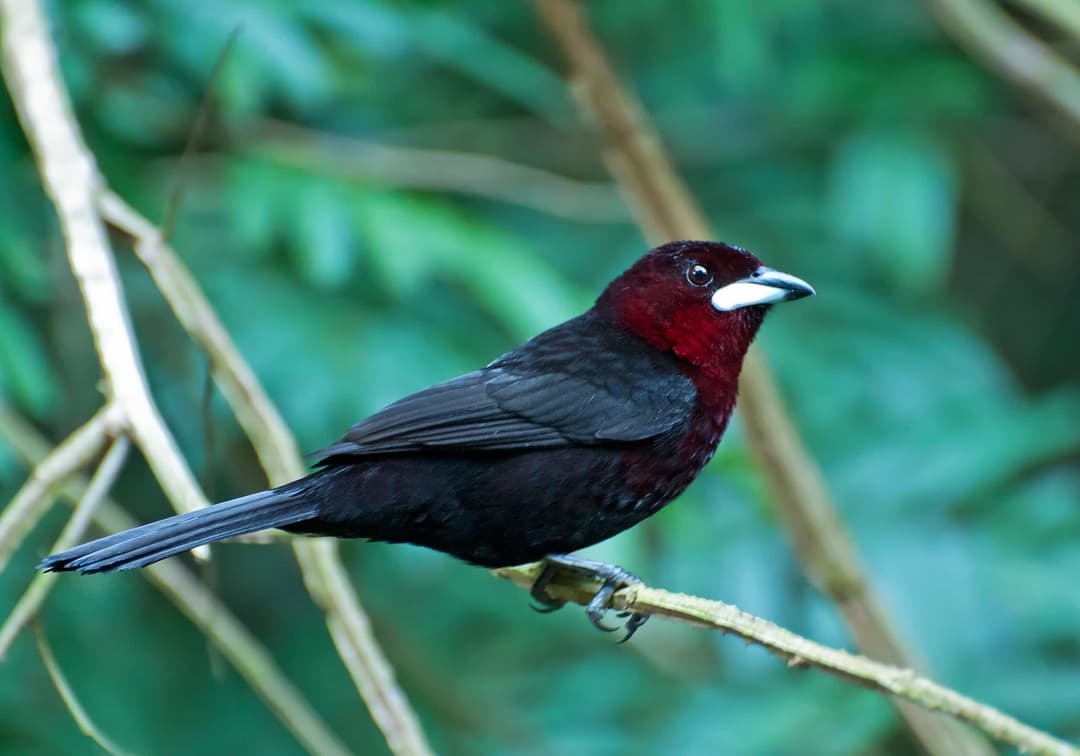
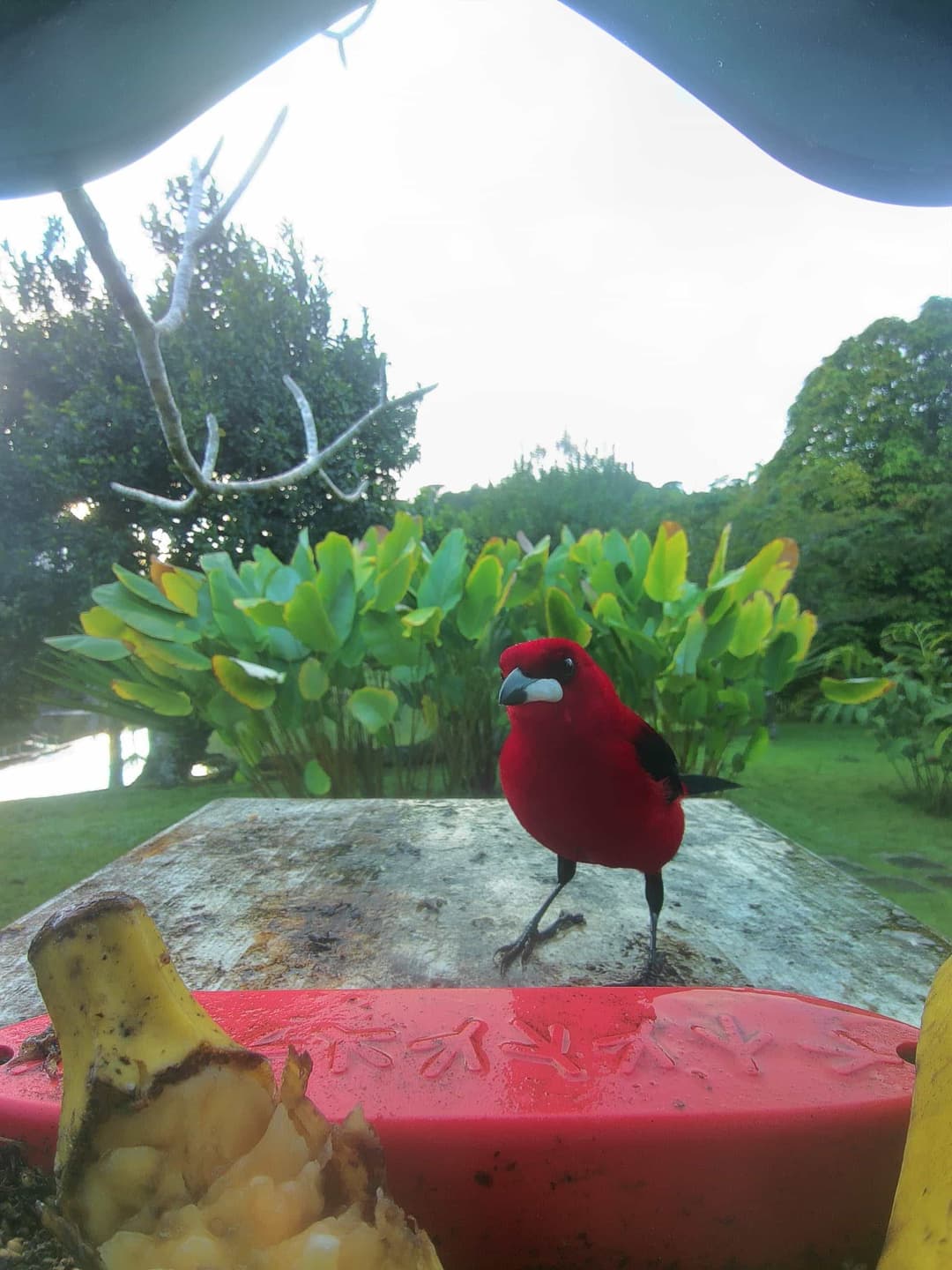
Tanager is a bird distinguished for its vibrant coloration, inclusive of shades such as red, orange, yellow, green, blue, and black. Their size ranges between 11cm to 20cm. The build is often compact, with stout bills and short wings. The Tanagers can be identified in wild by their striking colors and diverse vocalizations.
Male vs female
Males generally exhibit more striking and brighter colors than female tanagers. They often have deep red, blue, or yellow hues, whereas females lean more towards green or yellow-green and might sometimes appear more subdued. Further, some species show little to no difference in coloration between genders. Seasonal variations also exist, where the male's vibrant colors fade after the breeding period.
Juvenile
Juvenile tanagers typically wear modest plumage compared to adults. They usually share similarity with adult females in coloration, yet vary across species. In some species, juvenile males develop adult male coloration in gradual stages during months or years.
Size
4.7 - 7.1 in/0.5 - 1.6 oz
There's more to learn about Tanager
View full detailsSayaca Tanager
Thraupis sayaca
General appearance
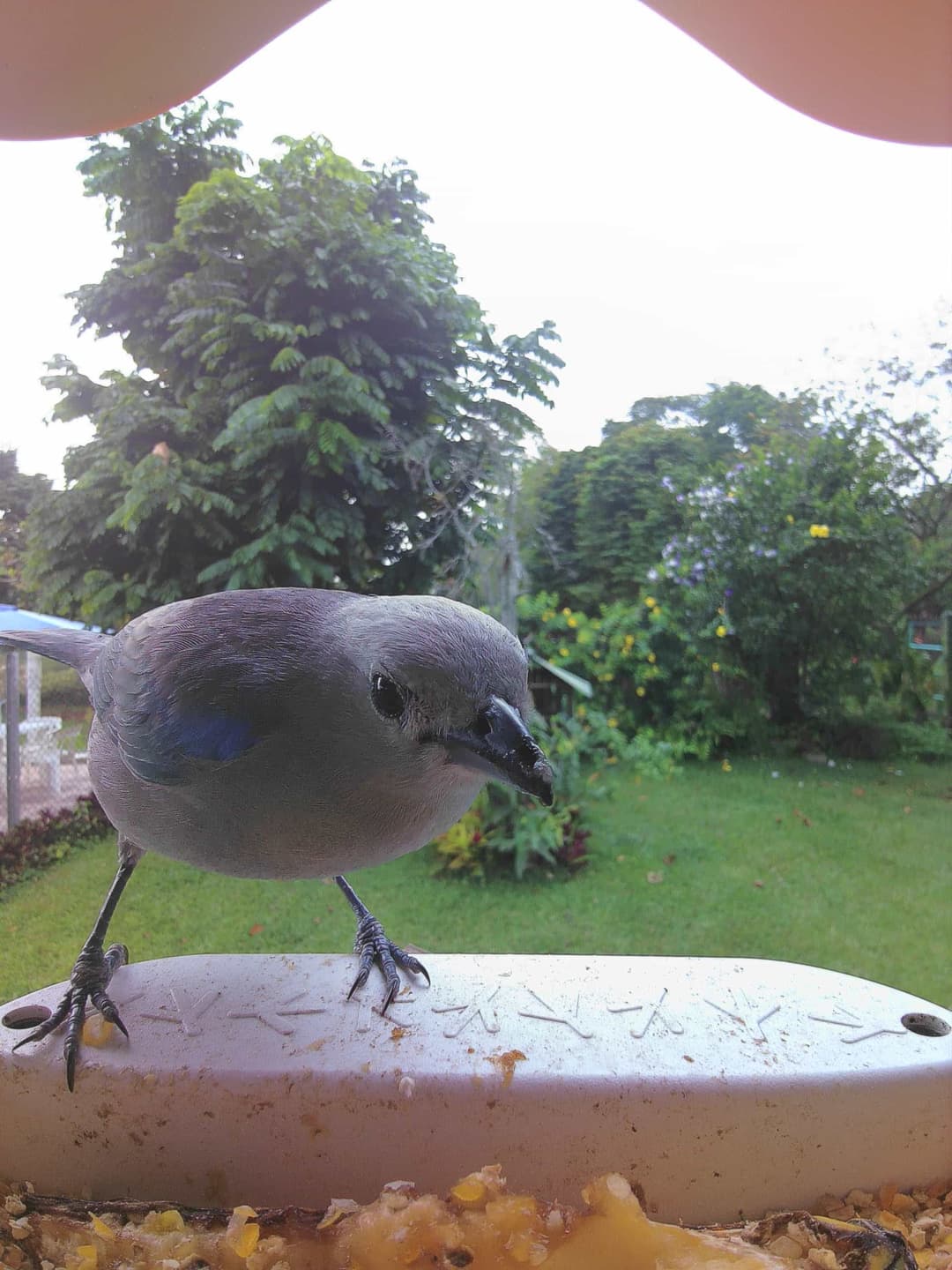
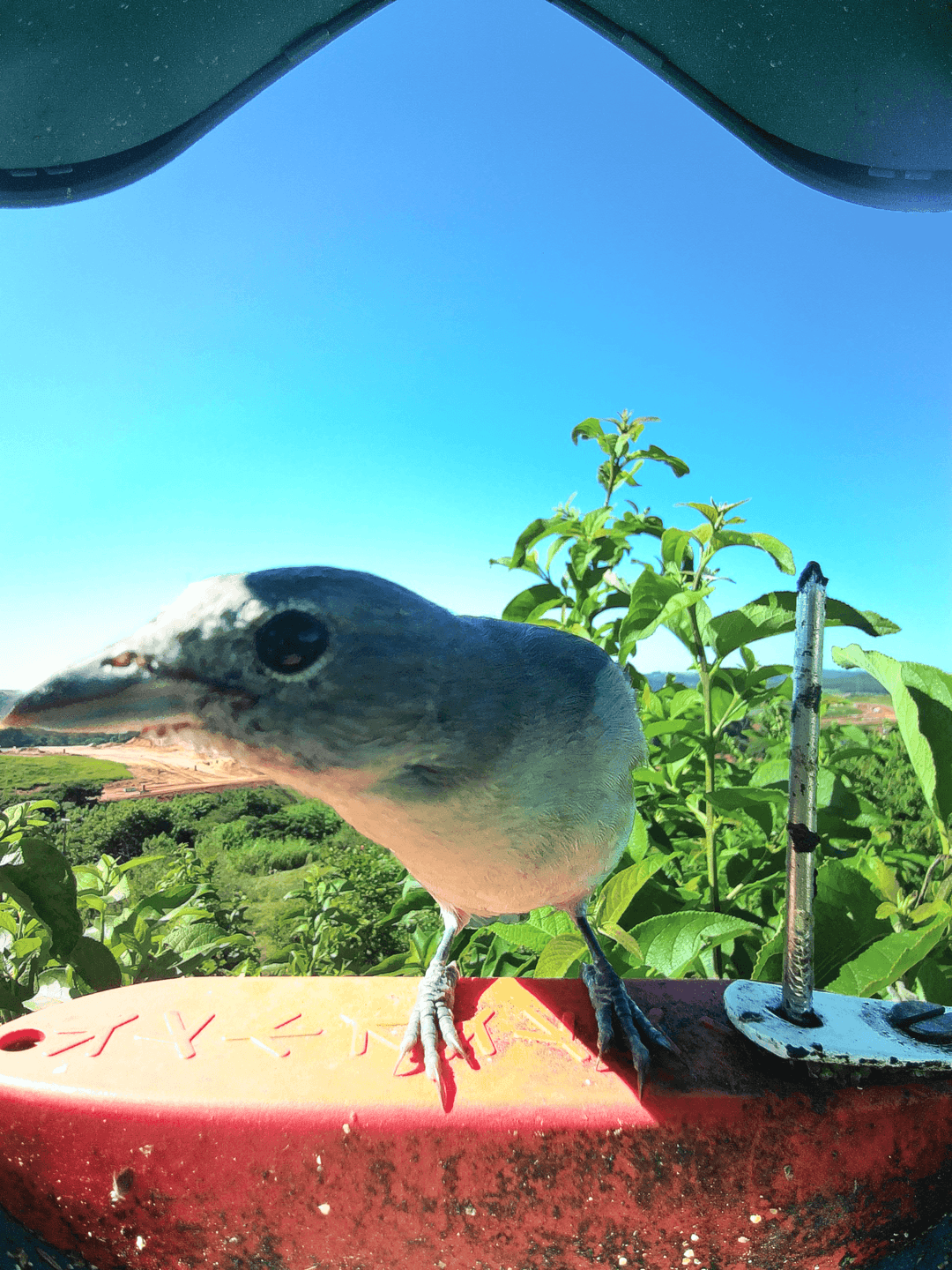
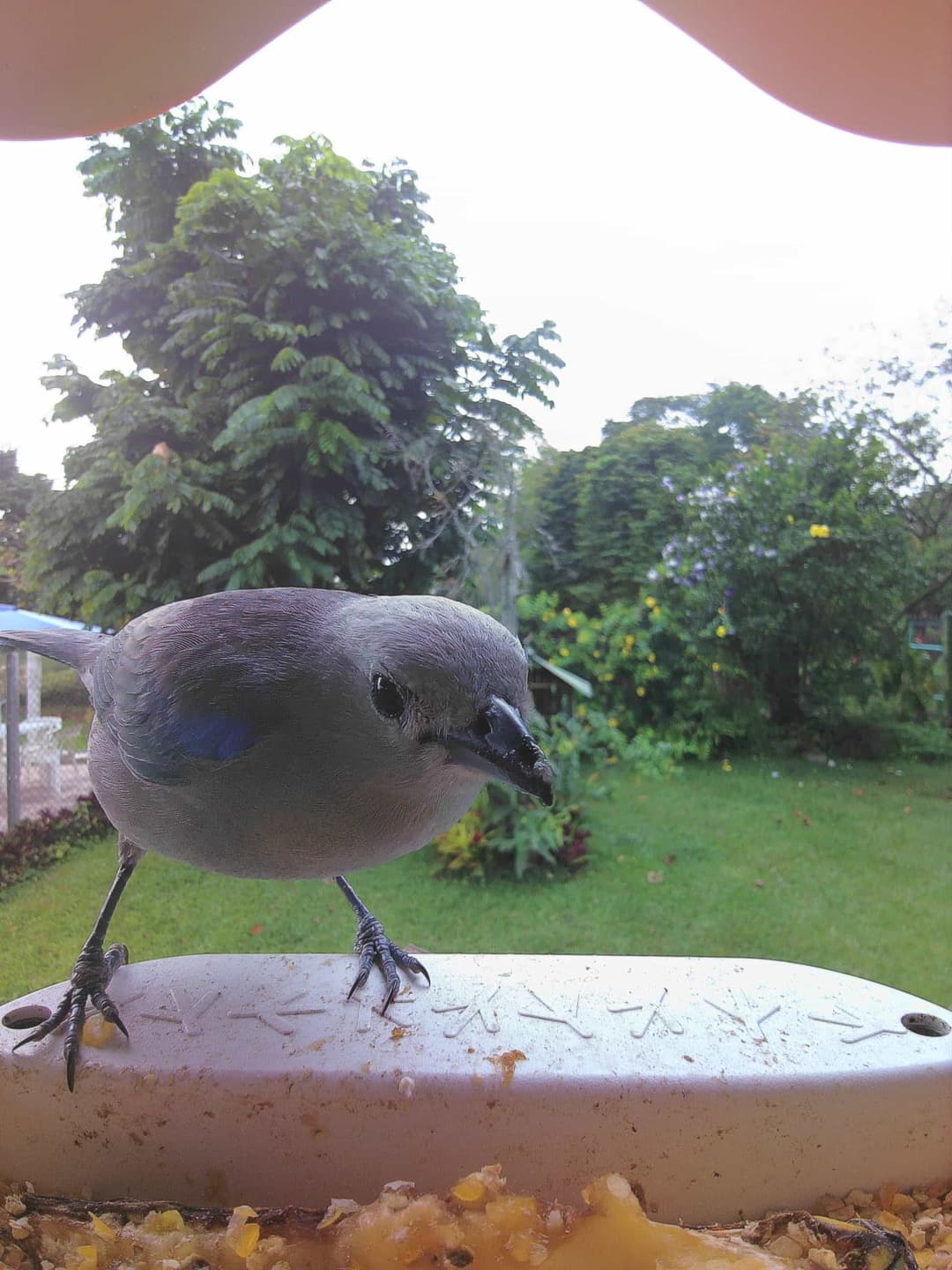
The Sayaca Tanager is a medium-sized bird, typically around 16-18 cm in length, with a predominantly gray body. Their plumage features a subtle greenish-blue sheen on the wings and tail. The beak is short and stout, adapted for their fruit-based diet, and their legs are a light gray color. Their eyes are dark, contrasting with their generally pale facial feathers. In the wild, the Sayaca Tanager is often spotted in groups, exhibiting a lively presence in treetops.
Male vs female
There is little sexual dimorphism in Sayaca Tanagers, making it challenging to differentiate between males and females based on appearance alone. Both sexes share the same gray and bluish-green coloration. However, males might occasionally exhibit a slightly brighter hue, particularly during the breeding season.
Juvenile
Juvenile Sayaca Tanagers are generally duller in color than adults. They tend to display a more muted gray and may lack the bluish-green sheen seen in mature birds. The juveniles' plumage gradually brightens as they reach maturity. As they age, the subtle differences in coloration between juveniles and adults become more apparent, aiding identification in the wild.
Size
6.3 - 6.7 in/1.0 - 1.2 oz
There's more to learn about Sayaca Tanager
View full detailsHow to tell the Tanager from the Sayaca Tanager
Visual differences
Tanagers are small, colorful birds measuring 4.3 to 7.1 inches, with vibrant plumage in reds, oranges, yellows, greens, blues, and blacks. They have stout bills and striking coloration differences between genders. In contrast, Sayaca Tanagers are 6.3 to 6.7 inches long, with a predominantly gray plumage featuring a subtle greenish-blue sheen on the wings and tail. They have short, stout beaks and limited sexual dimorphism. Tanagers exhibit a broader color spectrum, while Sayaca Tanagers' coloration is more subdued and consistent across genders.
Key differences and behavior
Tanagers (Tangara, Stilpnia, Thraupis) and Sayaca Tanagers exhibit distinct behaviors and ecological preferences. Tanagers, prevalent in Neotropical regions, thrive in diverse habitats, including dense forests and alpine regions, occasionally adapting to urban areas. In contrast, Sayaca Tanagers are commonly found in urban and open woodland areas of southeastern Brazil and surrounding countries. While both species partake in vibrant courtship displays, Tanagers emphasize visual displays, whereas Sayaca Tanagers incorporate songs and aerial maneuvers. Tanagers have a broader diet of fruits, insects, and nectar, often visiting sugar water feeders. Sayaca Tanagers primarily consume fruits and small insects, favored by offerings like bananas and papayas at feeders. Tanagers participate in elaborate courtship displays and create camouflaged nests in dense foliage, whereas Sayaca Tanagers' nesting involves song-driven pair bonding, with both parents sharing extended feeding duties for their young. Tanagers vary more vastly in size (4.7-7.9 inches), whereas Sayaca Tanagers are medium-sized (6.3-6.7 inches).
Still not sure? Here are more lookalikes!
Tanager vs Scrub Tanager
Tanager vs Blue-and-Yellow Tanager
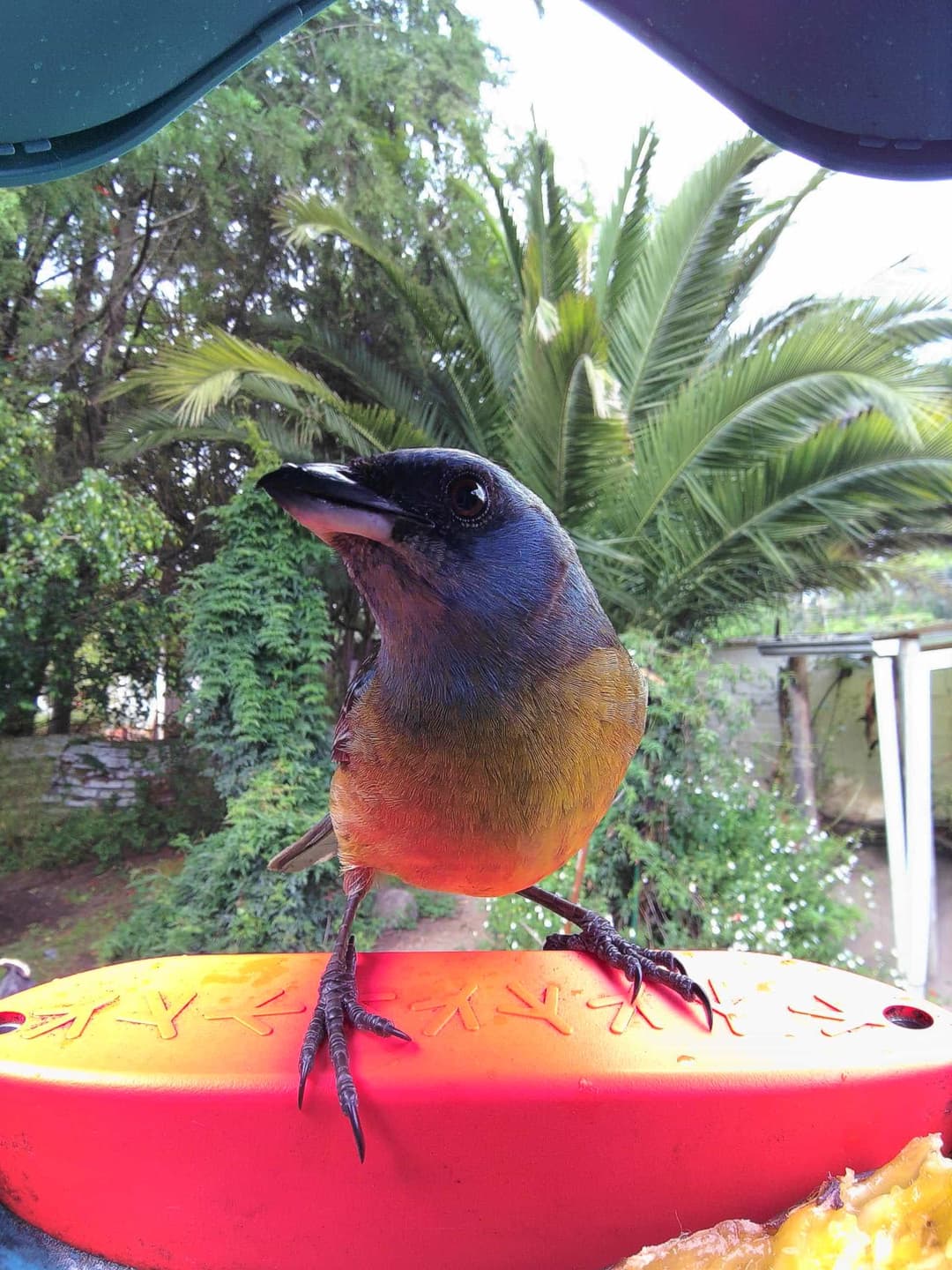
Tanager vs Golden-Chevroned Tanager
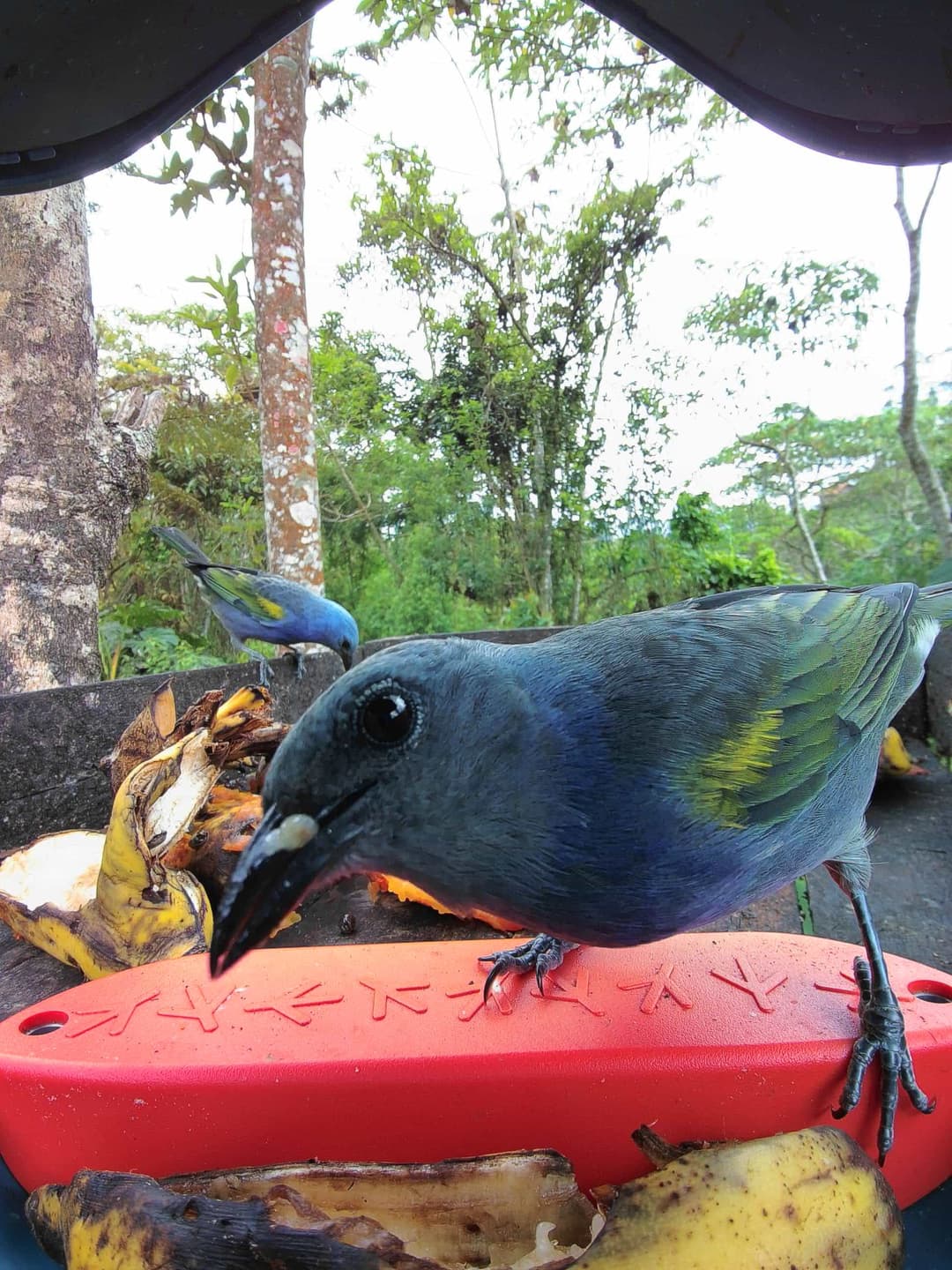
Tanager vs Brassy-Breasted Tanager
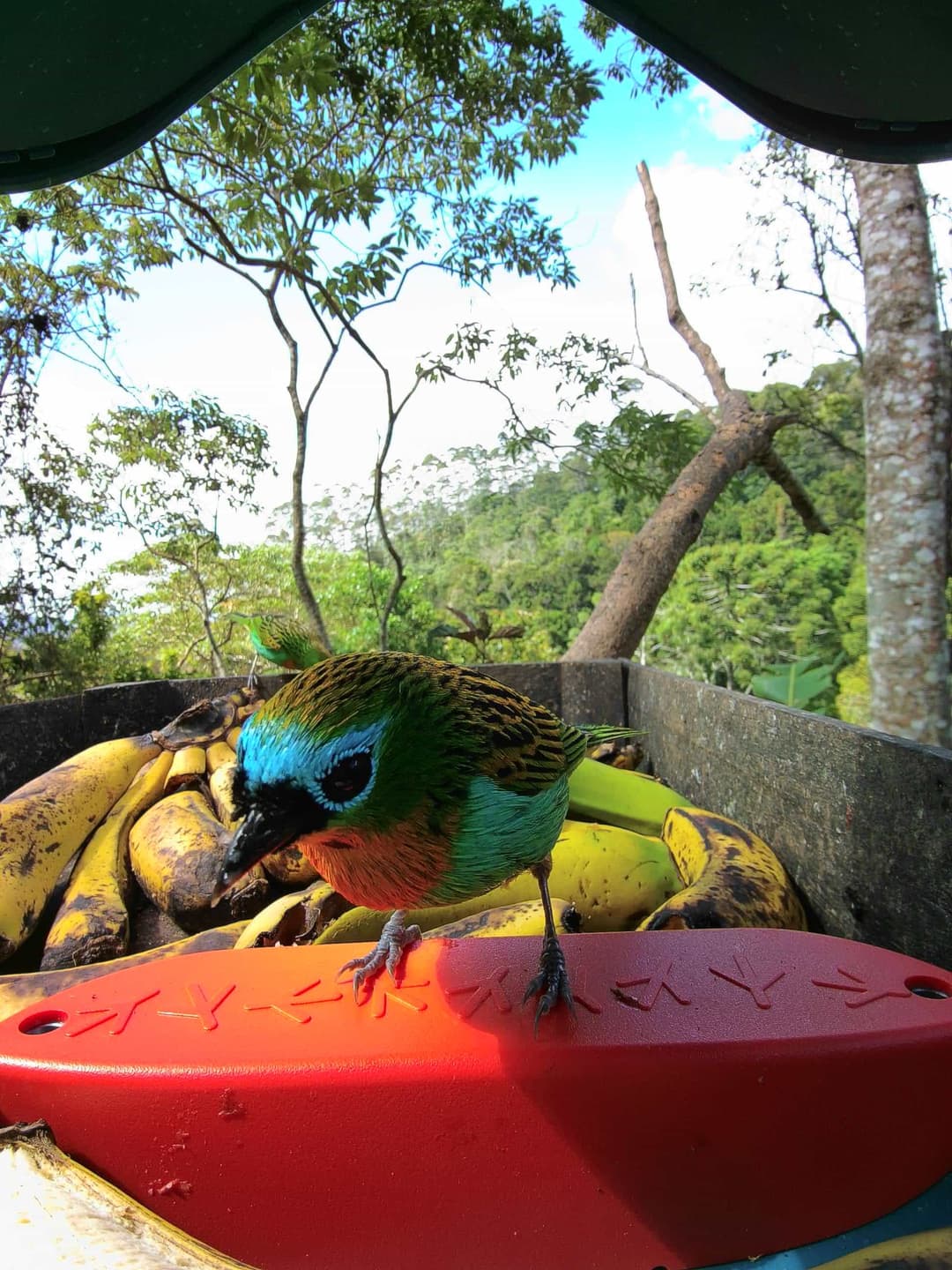
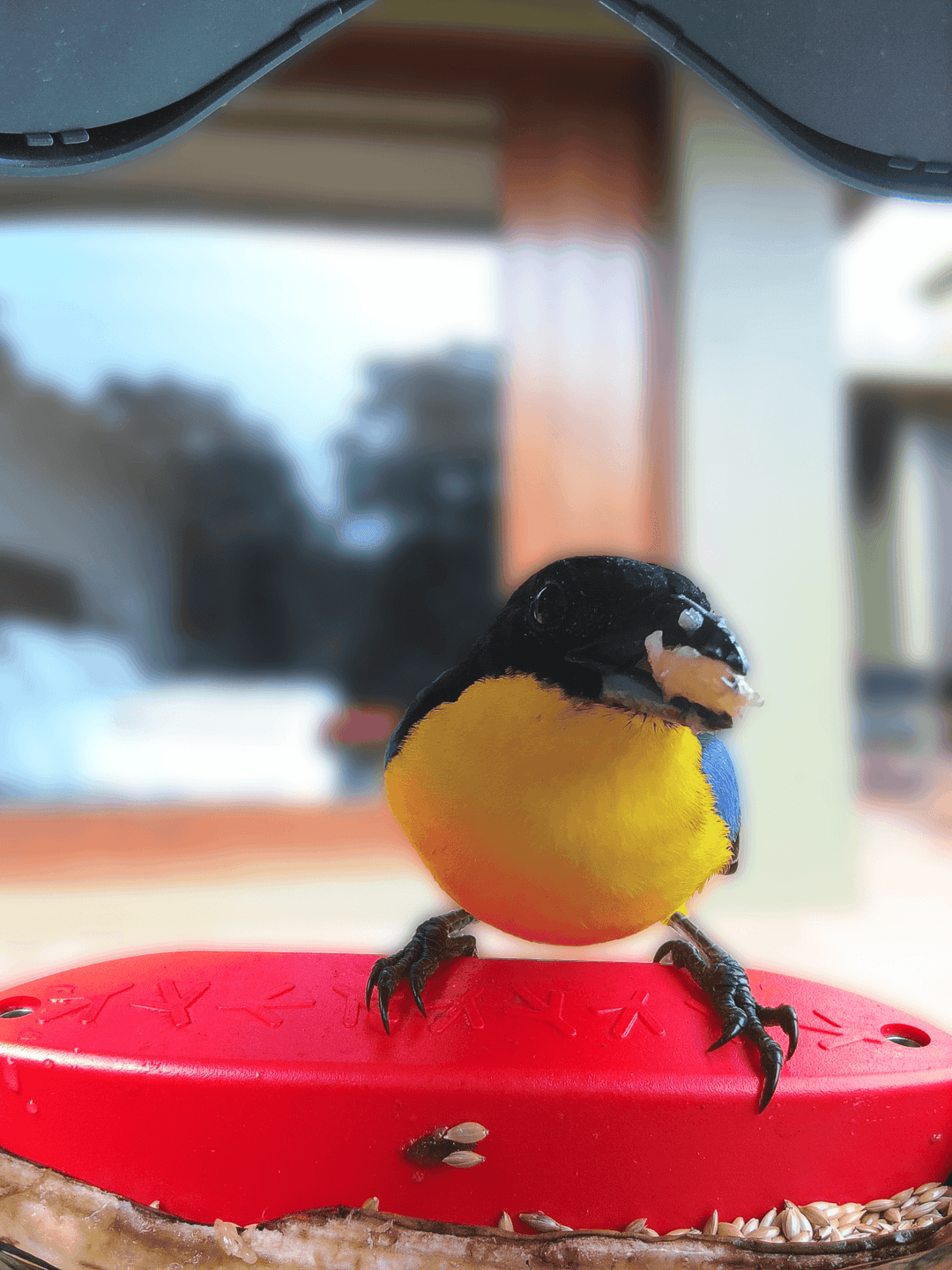
Sayaca Tanager vs Scrub Tanager
Sayaca Tanager vs Blue-Gray Tanager
Tanager vs [Select a bird]

[Select a bird]
Pick a bird to compare
Sayaca Tanager vs [Select a bird]
[Select a bird]
Pick a bird to compare