Tanager or Ramphocelus Tanager?
Here's how to tell the difference
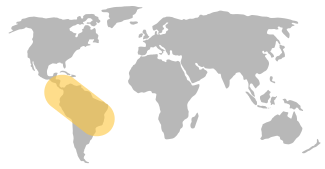
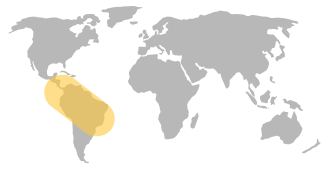

Tanager

Ramphocelus Tanager
Tanager
Tangara, Stilpnia, Thraupis
General appearance
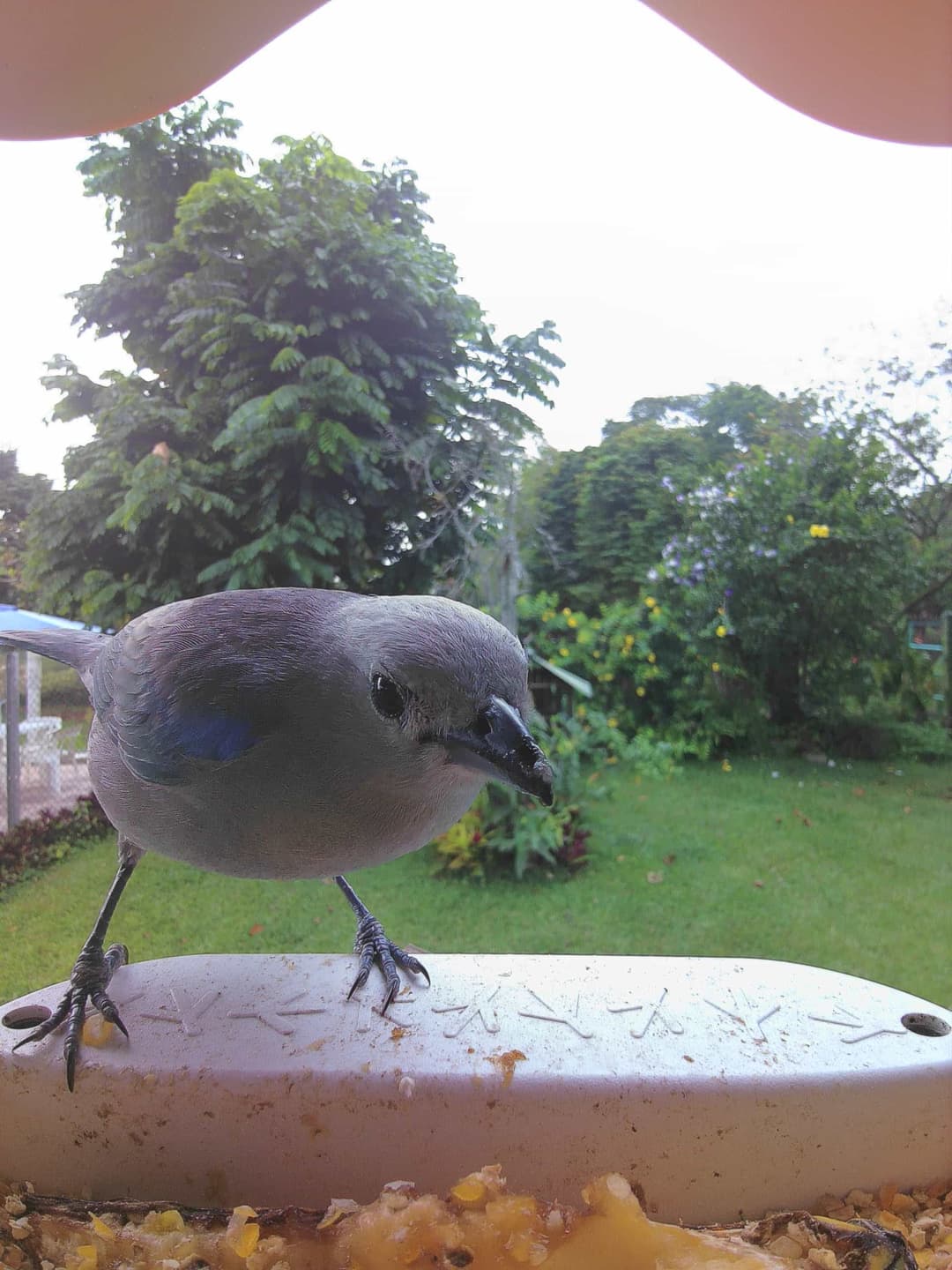
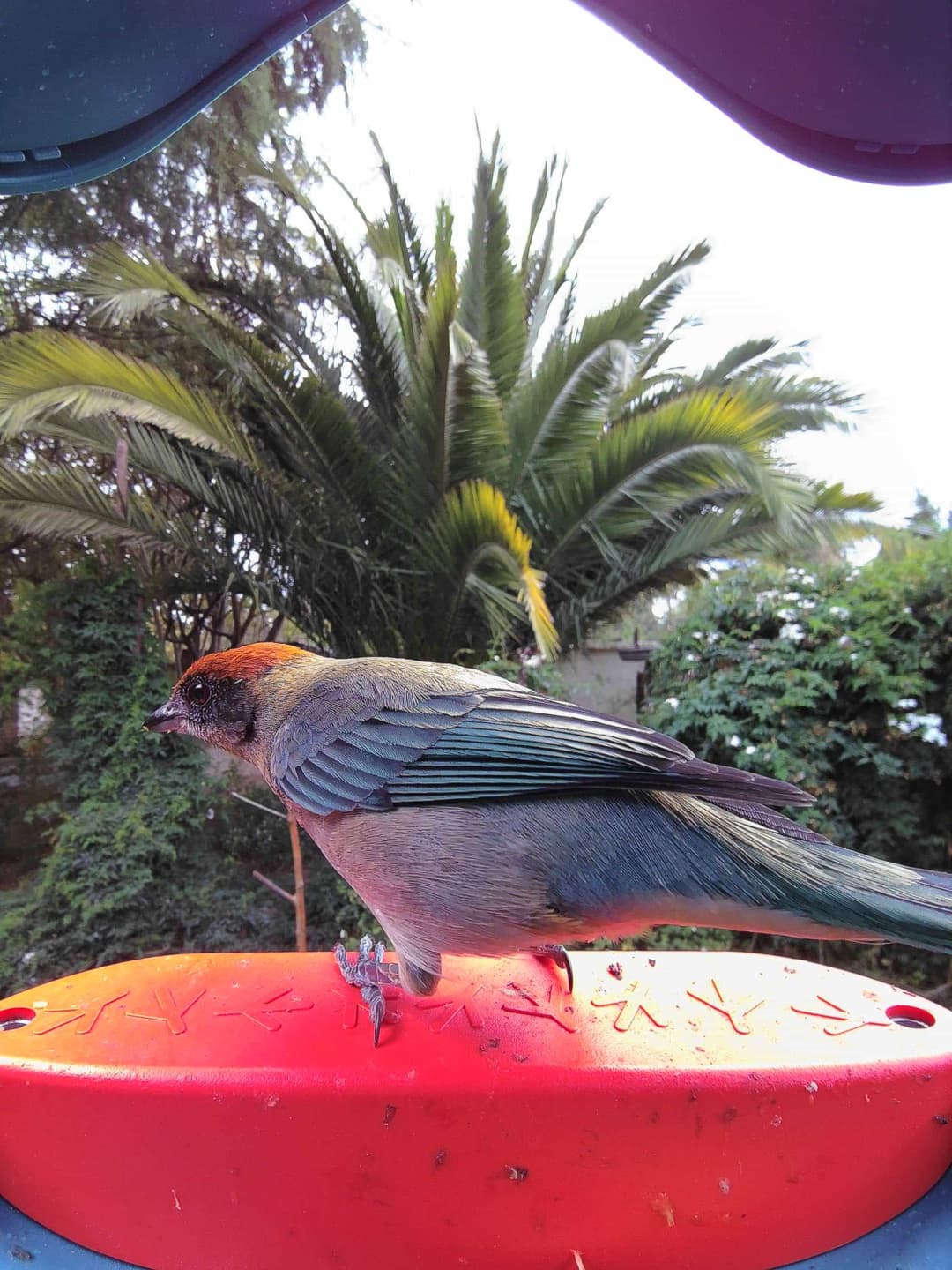
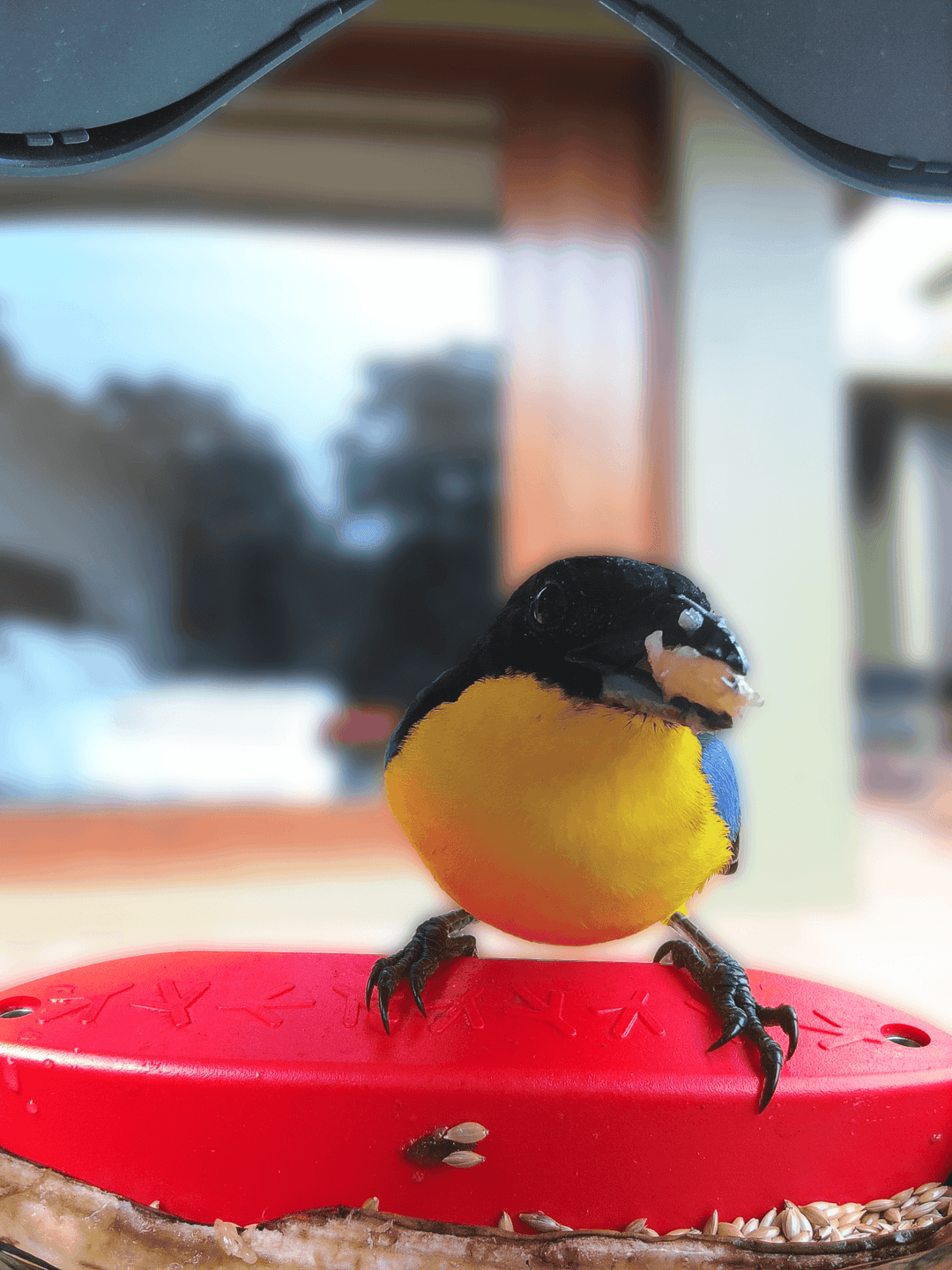
Tanager is a bird distinguished for its vibrant coloration, inclusive of shades such as red, orange, yellow, green, blue, and black. Their size ranges between 11cm to 20cm. The build is often compact, with stout bills and short wings. The Tanagers can be identified in wild by their striking colors and diverse vocalizations.
Male vs female
Males generally exhibit more striking and brighter colors than female tanagers. They often have deep red, blue, or yellow hues, whereas females lean more towards green or yellow-green and might sometimes appear more subdued. Further, some species show little to no difference in coloration between genders. Seasonal variations also exist, where the male's vibrant colors fade after the breeding period.
Juvenile
Juvenile tanagers typically wear modest plumage compared to adults. They usually share similarity with adult females in coloration, yet vary across species. In some species, juvenile males develop adult male coloration in gradual stages during months or years.
Size
4.7 - 7.1 in/0.5 - 1.6 oz
There's more to learn about Tanager
View full detailsRamphocelus Tanager
Ramphocelus
General appearance
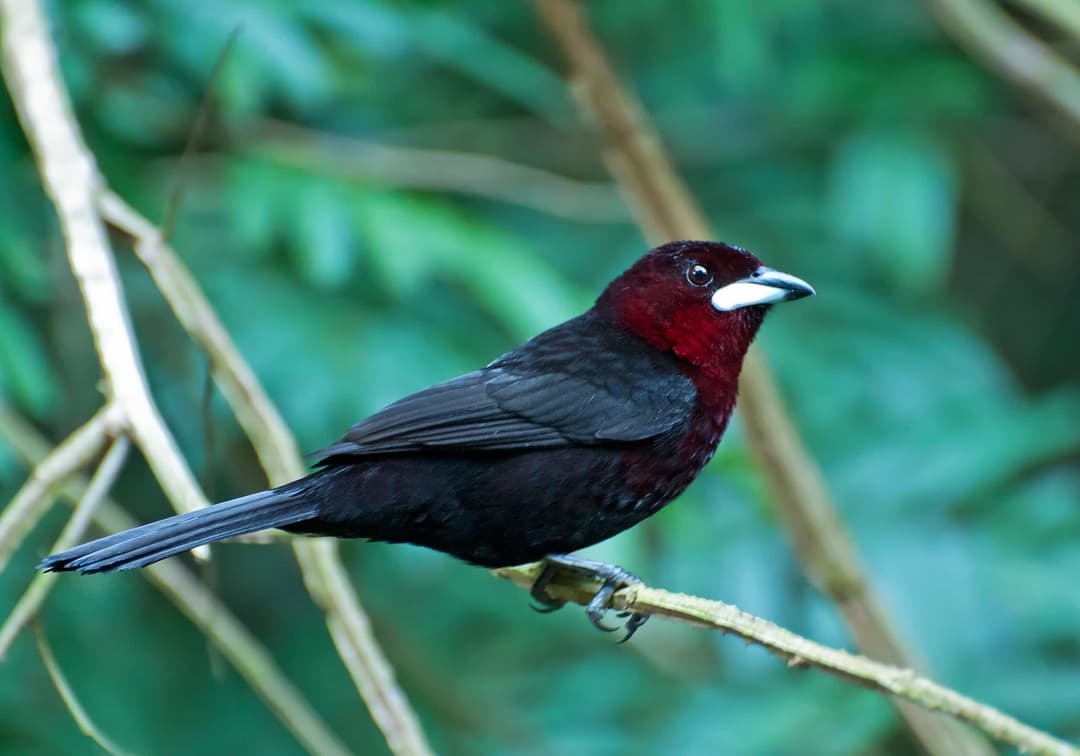
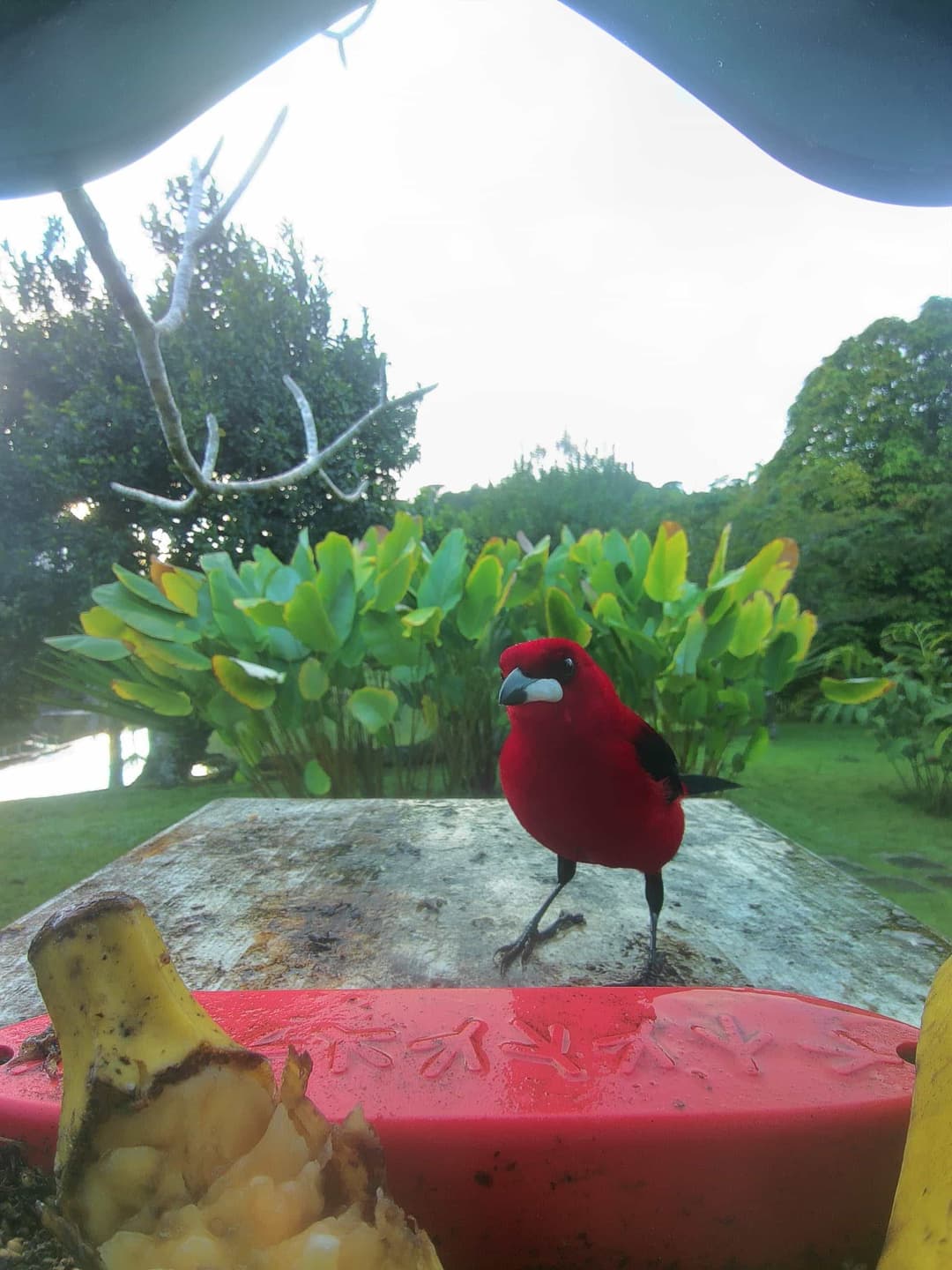
The Ramphocelus tanager is a medium-sized bird measuring between 18-20 cm in length. This bird is known for the striking red coloration that is sharper in the males. They possess a sharply-pointed black bill. Their body structure is characterized by a round body, a large head and a short tail.
Male vs female
Males are more vibrant in color, with plumage ranging from dazzling crimson to scarlet hues, offset by black wings and a tail. Females, however, are more subtle in coloring, usually wearing shades of orangey-brown with darker wings and tail. The females' coloration helps provide camouflage whilst nesting.
Juvenile
Juvenile Ramphocelus tanagers mimic the female’s duller color palette until they reach maturity. They also have a paler underbelly. There are no seasonal variations in color or appearance in this species, rather, the changes come with age and gender.
Size
5.9 - 7.9 in/0.7 - 1.7 oz
There's more to learn about Ramphocelus Tanager
View full detailsHow to tell the Tanager from the Ramphocelus Tanager
Visual differences
Tanager species (Tangara, Stilpnia, Thraupis) exhibit a diverse range of vibrant colors, including red, orange, yellow, green, blue, and black, with sizes from 4.3 to 7.9 inches. They have stout bills and compact bodies. In contrast, Ramphocelus tanagers are slightly larger (7.1 to 7.9 inches) with a distinctive large lower mandible that is white or bluish-gray and sport a more uniform red or scarlet with black wings and tails in males. Their bills are sharply pointed, and they exhibit a round body structure.
Key differences and behavior
While both Tanager and Ramphocelus tanagers are tropical birds with vibrant courtship displays, they show distinct behavioral differences. Tanagers are adaptable, residing from lush tropical to alpine regions and occasionally nesting in urban settings. In contrast, Ramphocelus tanagers primarily inhabit lowland rainforests but can also adapt to secondary forests and urban areas with green spaces. Tanagers have a broad diet, consuming a mix of fruits, insects, and nectar, whereas Ramphocelus tanagers focus more on fruits and insects, especially during breeding. In nesting, Tanager chicks fledge in about two weeks; Ramphocelus chicks leave after just 10 days. Food preferences at feeders also differ; both enjoy fruits, but Tanagers are drawn to suet and sugar water more than Ramphocelus. This nuanced diet and distinct habitat use help distinguish these genera in the field.
Still not sure? Here are more lookalikes!
Tanager vs Scrub Tanager
Tanager vs Blue-and-Yellow Tanager
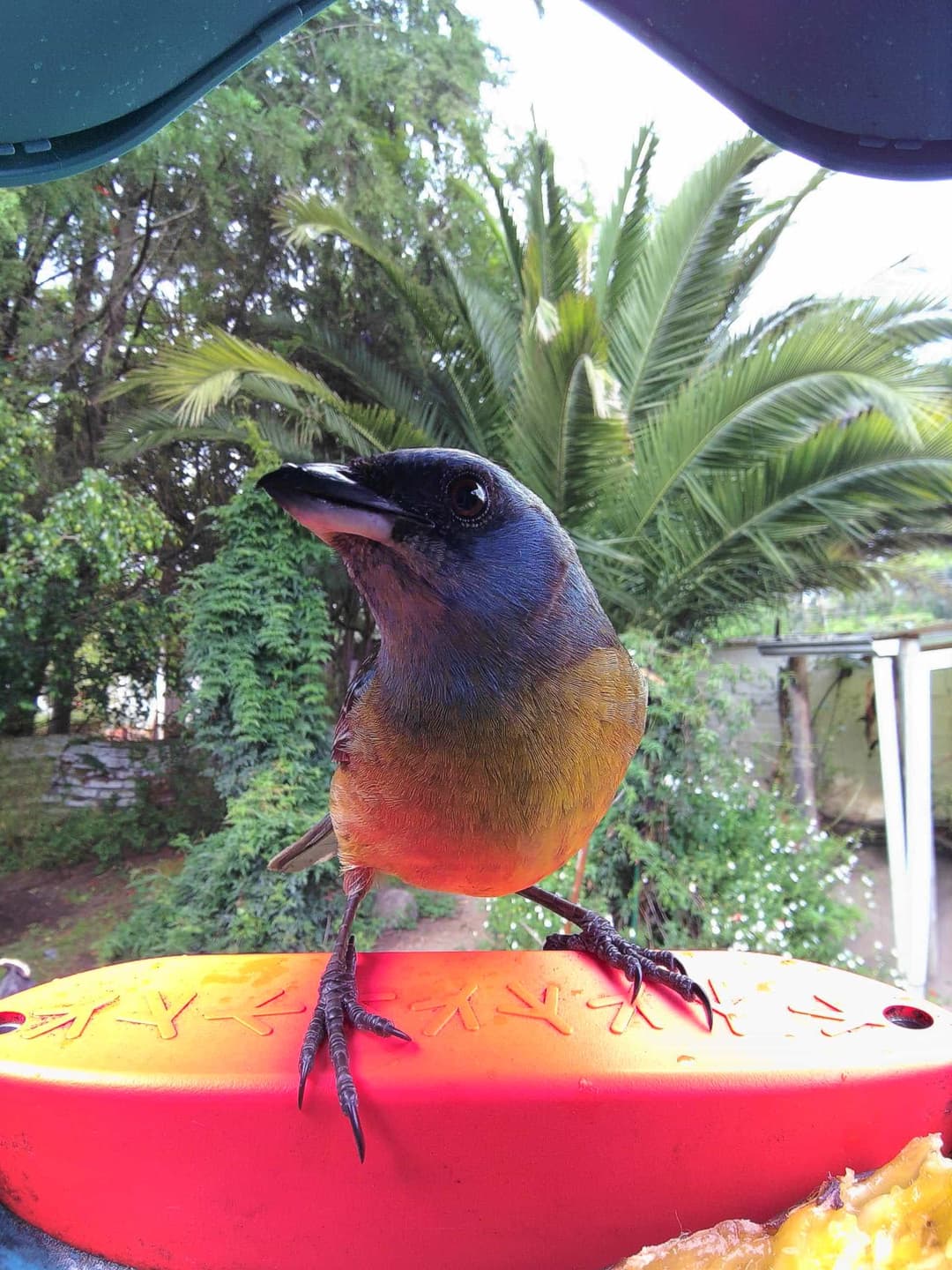
Tanager vs Golden-Chevroned Tanager
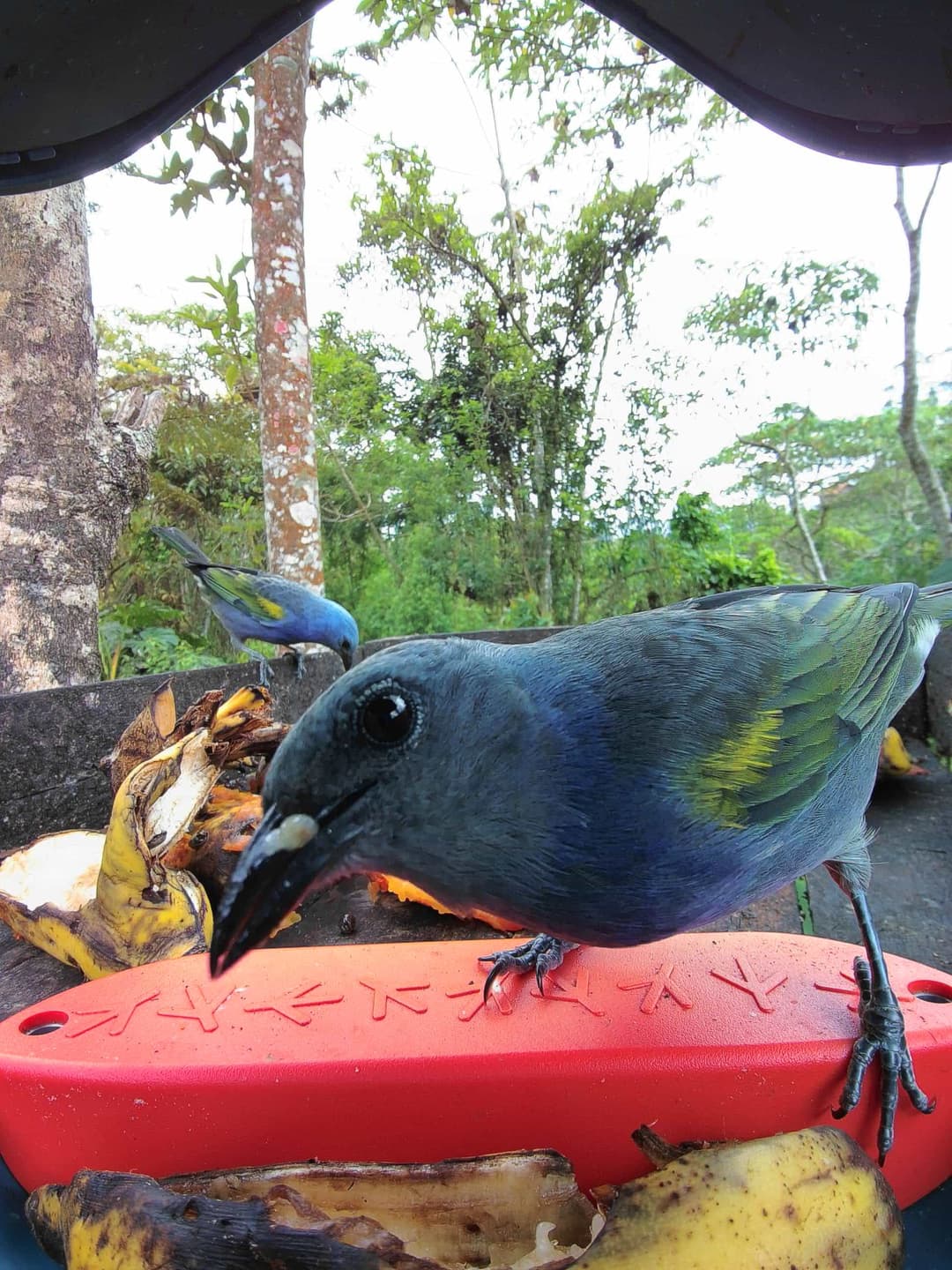
Tanager vs Brassy-Breasted Tanager
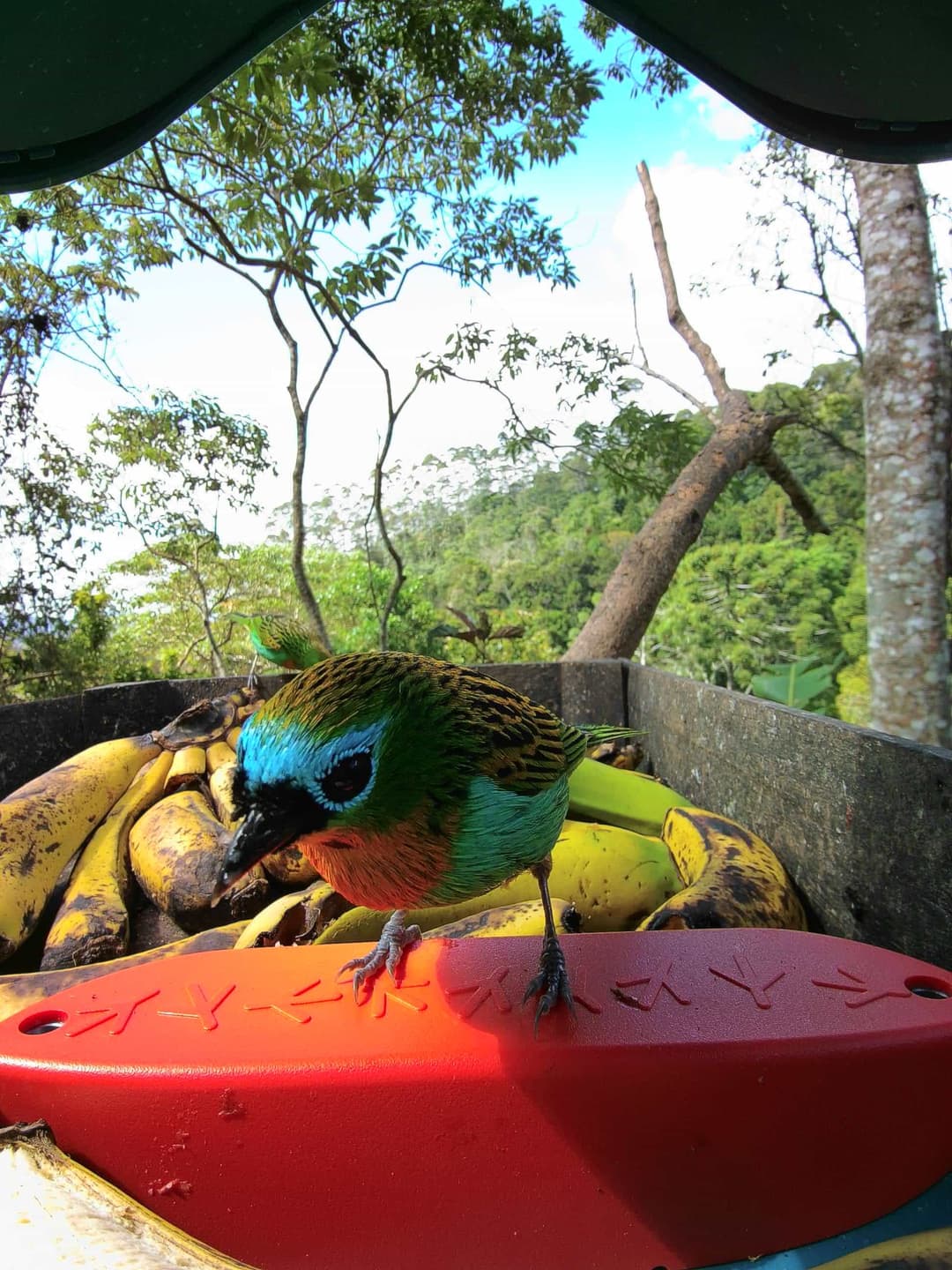
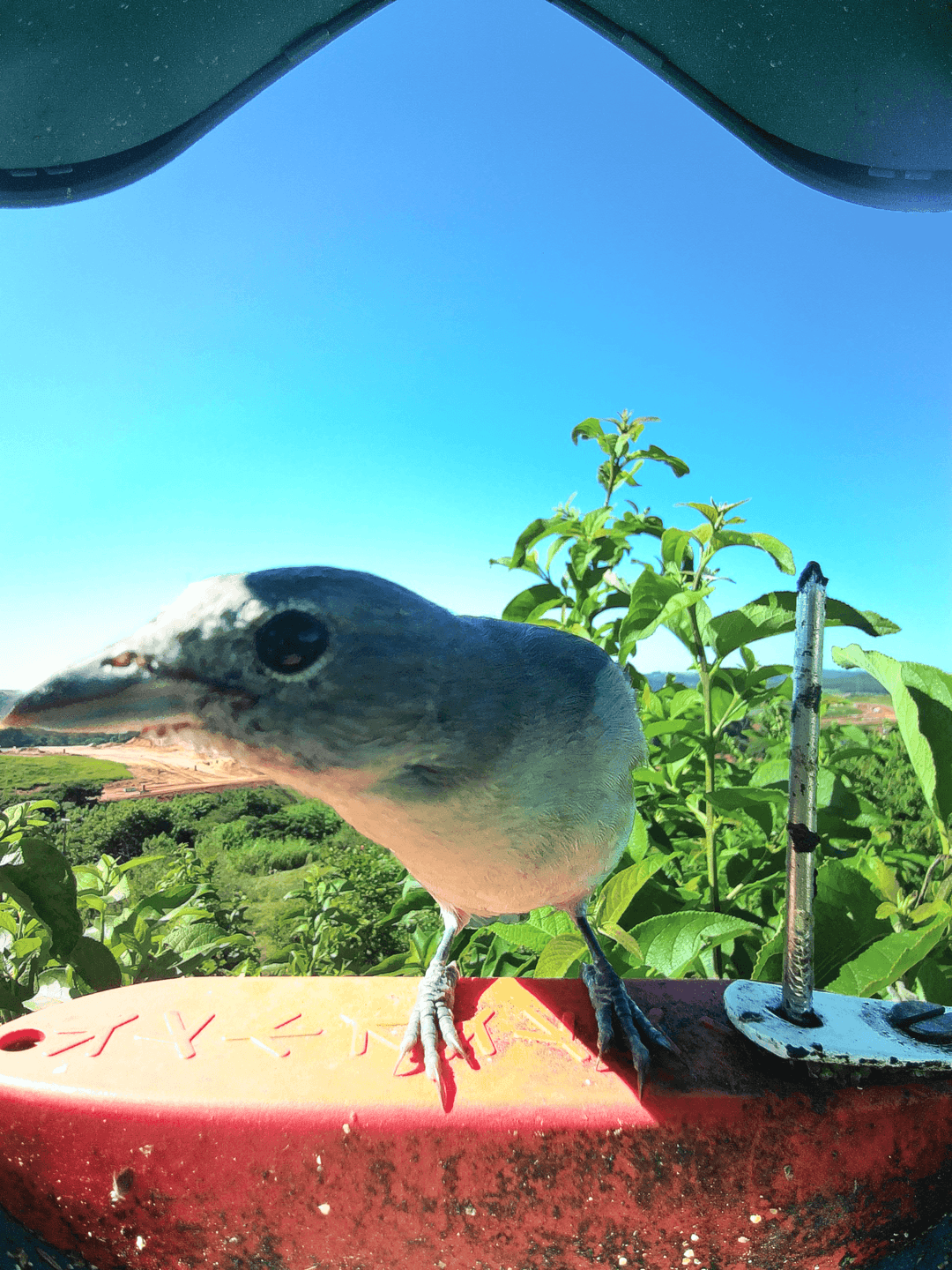
Tanager vs [Select a bird]

[Select a bird]
Pick a bird to compare
Ramphocelus Tanager vs [Select a bird]
[Select a bird]
Pick a bird to compare