Rock Dove or Mourning Dove?
Here's how to tell the difference
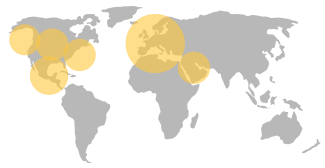
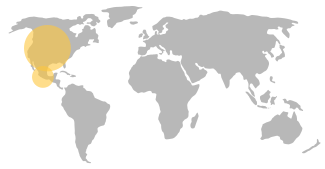

Rock Dove
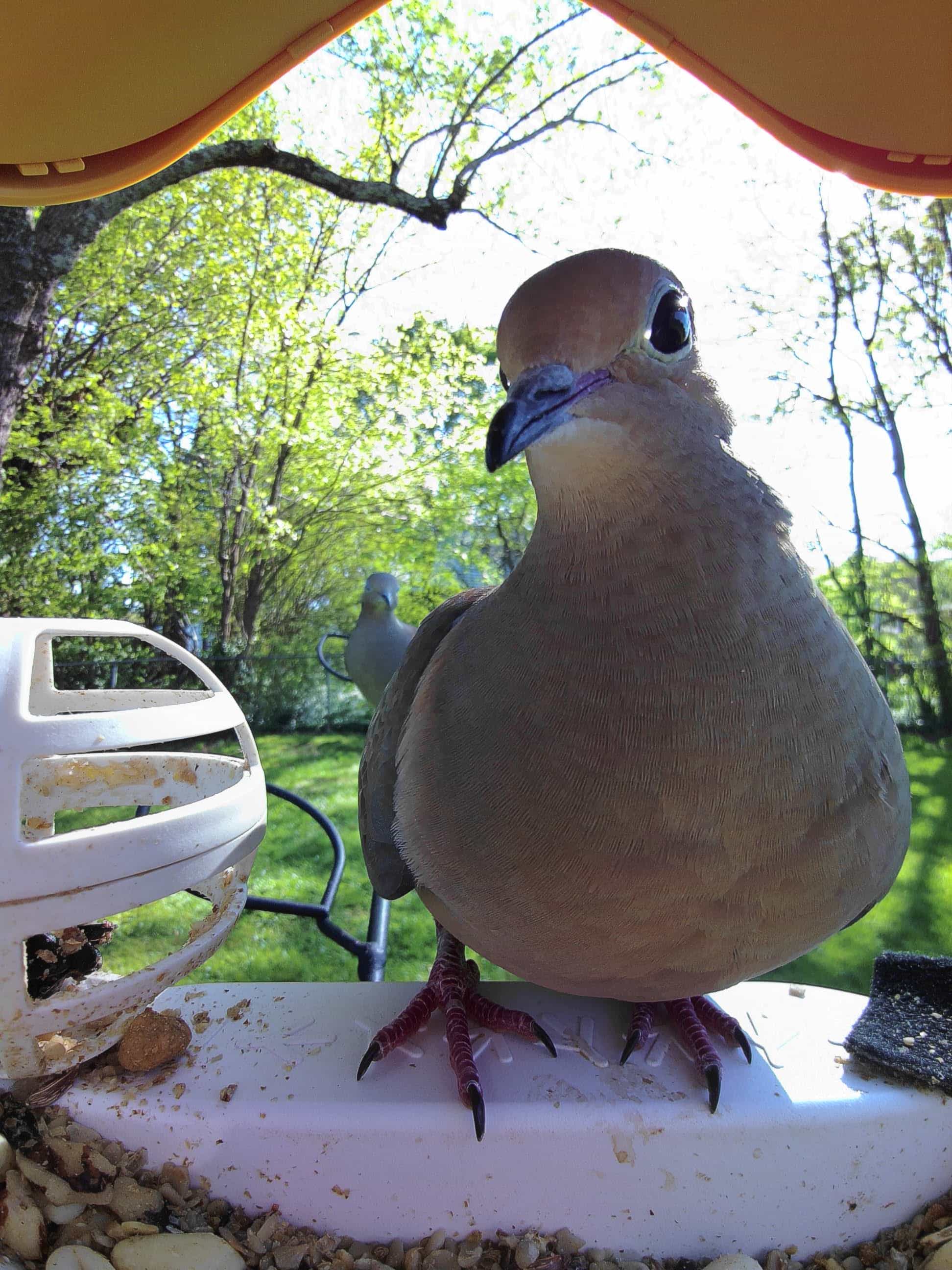


Mourning Dove
Rock Dove
Columba livia
Also known as: Rock Pigeon, Common Pigeon
Rock Dove Characteristic Identification
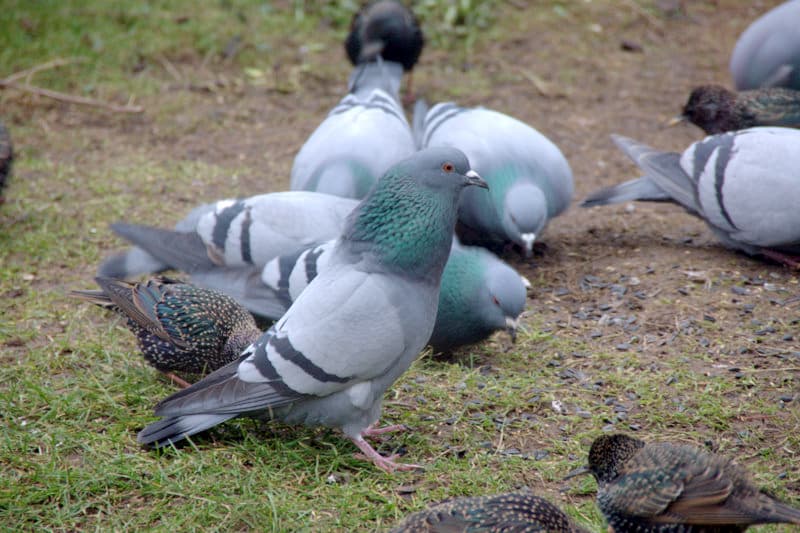
**General appearance** - The Rock Dove, or common pigeon, typically displays a robust body and short legs. Its overall coloration includes a bluish-grey body with two black bars on each wing and iridescent feathers that shimmer in shades of pink, purple, and green around the neck region. A white rump and dark tail band are also distinctive features. They are often seen with a reddish eye and a small black beak. **Male vs female** - Male and female Rock Doves are visibly similar, making differentiation challenging. Both sexes exhibit the characteristic iridescent neck feathers, although slight differences in the intensity of coloration can occur, with males potentially showcasing a more pronounced sheen. Their physical size is almost identical, although males may exhibit minor dominance through their behavior. **Juvenile** - Juvenile Rock Doves differ from adults by exhibiting a somewhat duller plumage lacking the prominent iridescent sheen seen in mature individuals. Their greyish-brown appearance and absence of bright neck colors make them less conspicuous. Juveniles retain this more muted look until they reach adulthood, at which point they develop the same vivid features prominent in adult doves.
Size
11.4 - 14.6 in/8.4 - 13.4 oz
There's more to learn about Rock Dove
View full detailsMourning Dove
Zenaida macroura
Also known as: American Mourning Dove, Rain Dove, Turtle Dove, Carolina Pigeon, Carolina Turtledove
General appearance
The mourning dove is roughly the size of a crow, bearing characteristics of a long, pointed tail which is about 12', or 30 cm long. This tail displays white spots along its edge while in flight. The bird’s wings are adorned with black spots and its overall coloration exhibits hues of black, brown, gray, pink, tan, and white. The dove has a pointed, wedge-shaped tail.
Male vs female
The sexes of mourning doves can be distinguished by their coloration. Adult males generally have a pinkish tinge on their chests and a blue-gray tone on their crowns. However, the female doves are more dull and plain, predominantly appearing in a shade of brown.
Juvenile
Young mourning doves have a unique scaly appearance that can lead them to be confused with the Inca Dove or the Common Ground Dove. They do not possess the vivid coloring of the adults and generally appear more muted in color.
Size
9.1 - 13.4 in/3.0 - 6.0 oz
There's more to learn about Mourning Dove
View full detailsHow to tell the Rock Dove from the Mourning Dove
Visual differences
The Rock Dove (Columba livia) is larger, weighing 238-380g with a length of 29-37cm, compared to the Mourning Dove (Zenaida macroura), which weighs 86-170g and measures 23-34cm. Rock Doves display a varied plumage with iridescent tints, while Mourning Doves have a more muted coloration of black, brown, and gray with distinctive black wing spots and a pointed, wedge-shaped tail with white edges. The Rock Dove's beak is thicker and more robust, whereas the Mourning Dove exhibits a thinner, more delicate beak.
Key differences and behavior
The Rock Dove (Columba livia) and Mourning Dove (Zenaida macroura) differ notably in appearance and behavior. Rock Doves are larger, weighing 238-380g with a length of 29-37cm, compared to the lighter Mourning Dove at 86-170g and 23-34cm long. Visually, the Rock Dove displays a consistent grey color often with iridescent markings, while the Mourning Dove has a more muted palette with black wing spots and a distinctive long, pointed tail with white edges. Behaviorally, Rock Doves thrive in urban environments worldwide and have flexible year-round breeding habits. In contrast, Mourning Doves prefer open and semi-open areas, engaging in elaborate courtship displays and nesting mostly in trees or shrubs. Diet-wise, both primarily consume seeds, but Rock Doves have a broader palate, including occasional insects or fruits, whereas Mourning Doves focus almost exclusively on seeds from various plants. These differences aid in distinguishing the two doves in the field.
Still not sure? Here are more lookalikes!
Rock Dove vs Feral Pigeon
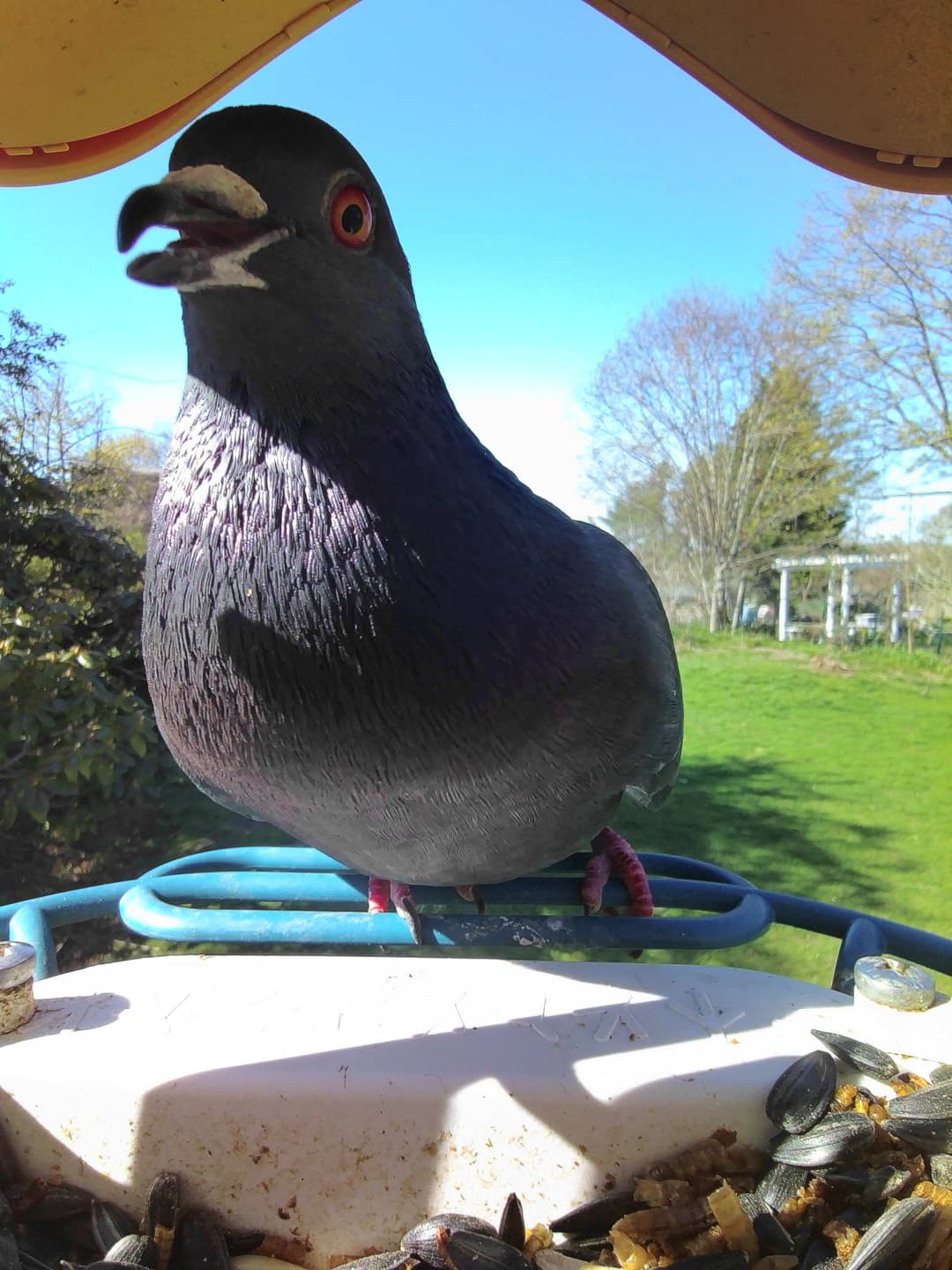
Mourning Dove vs Eurasian Collared Dove

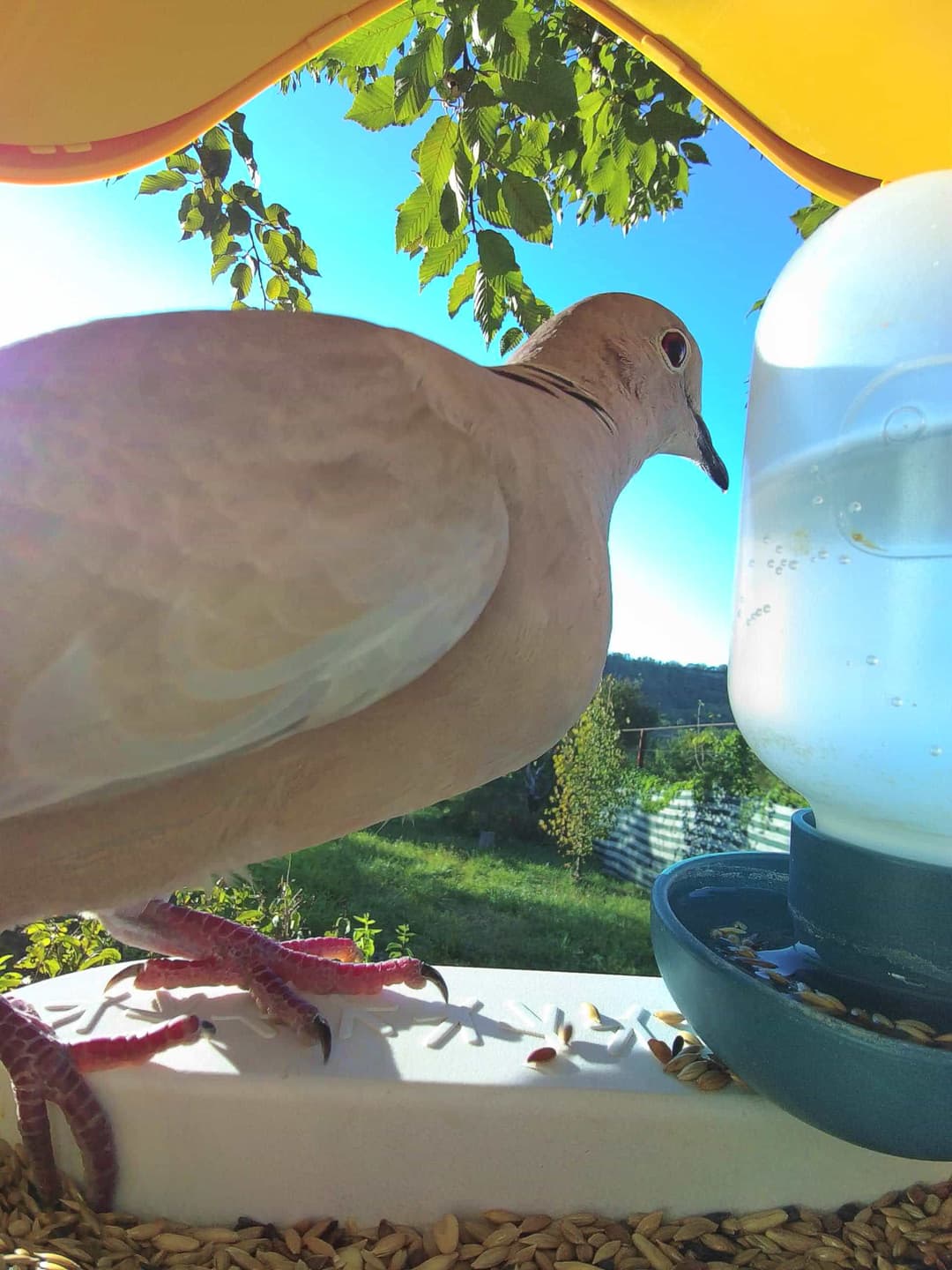
Mourning Dove vs White-Winged Dove
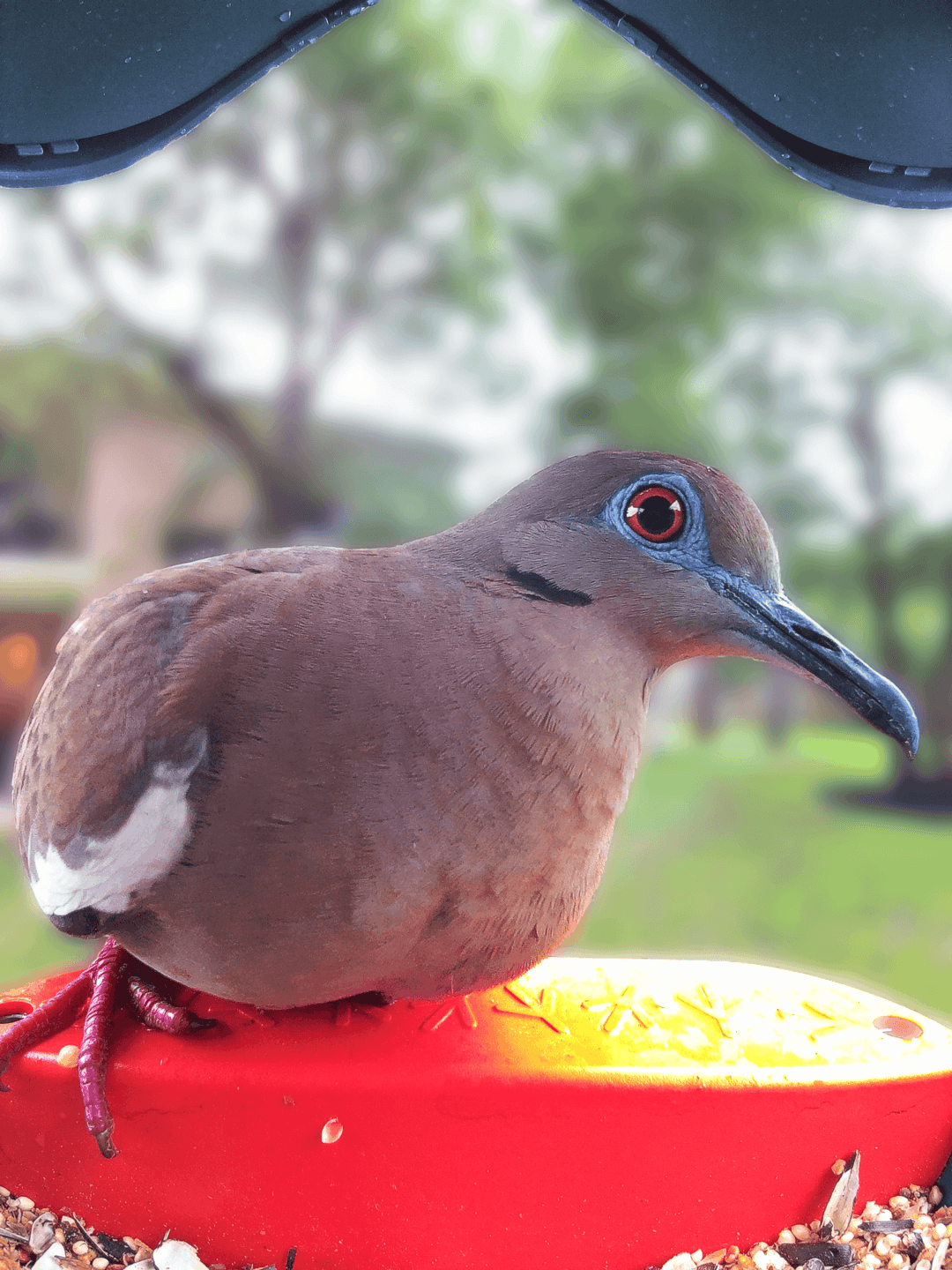
Mourning Dove vs Band-Tailed Pigeon
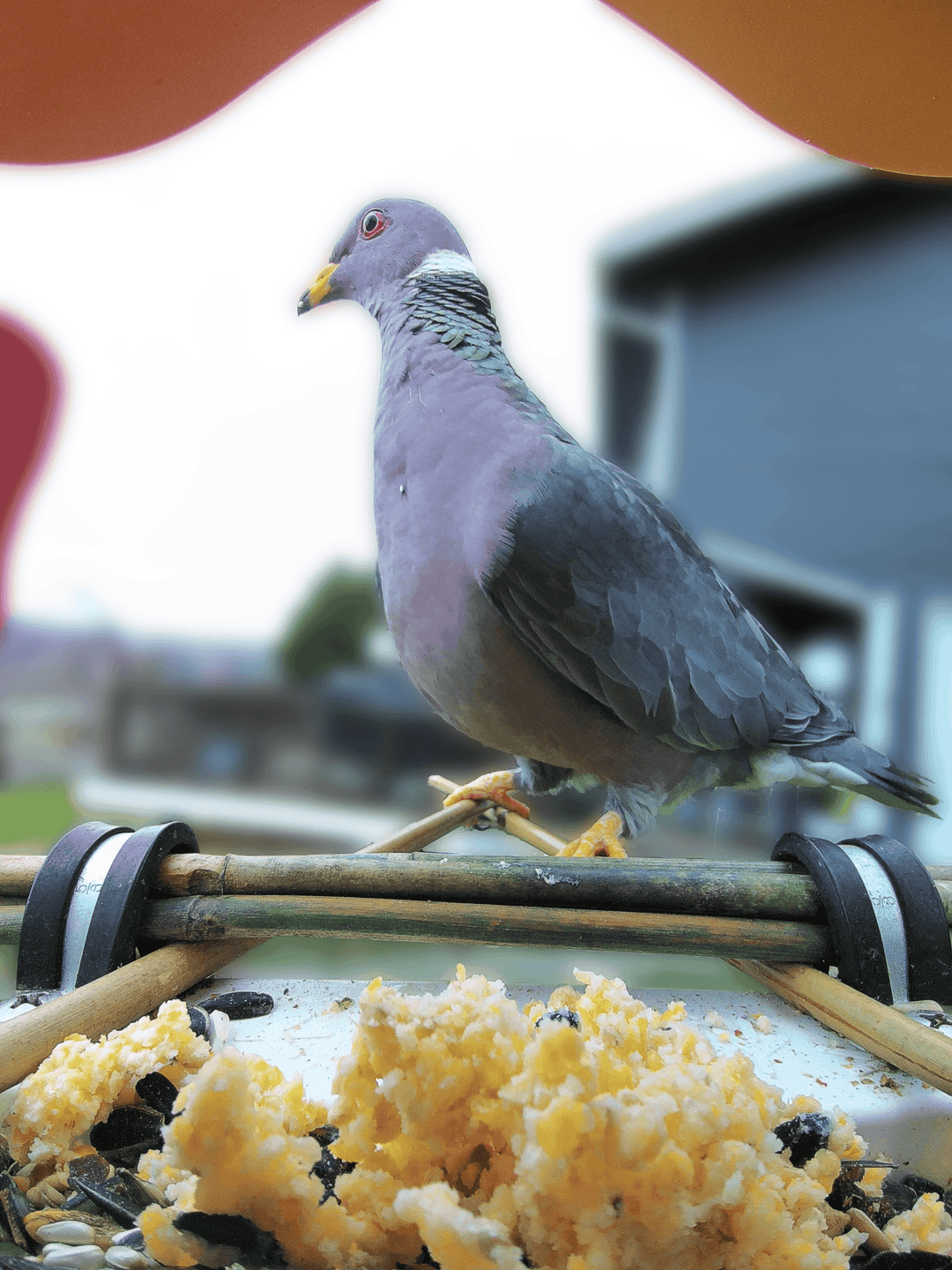
Mourning Dove vs White-Tipped Dove
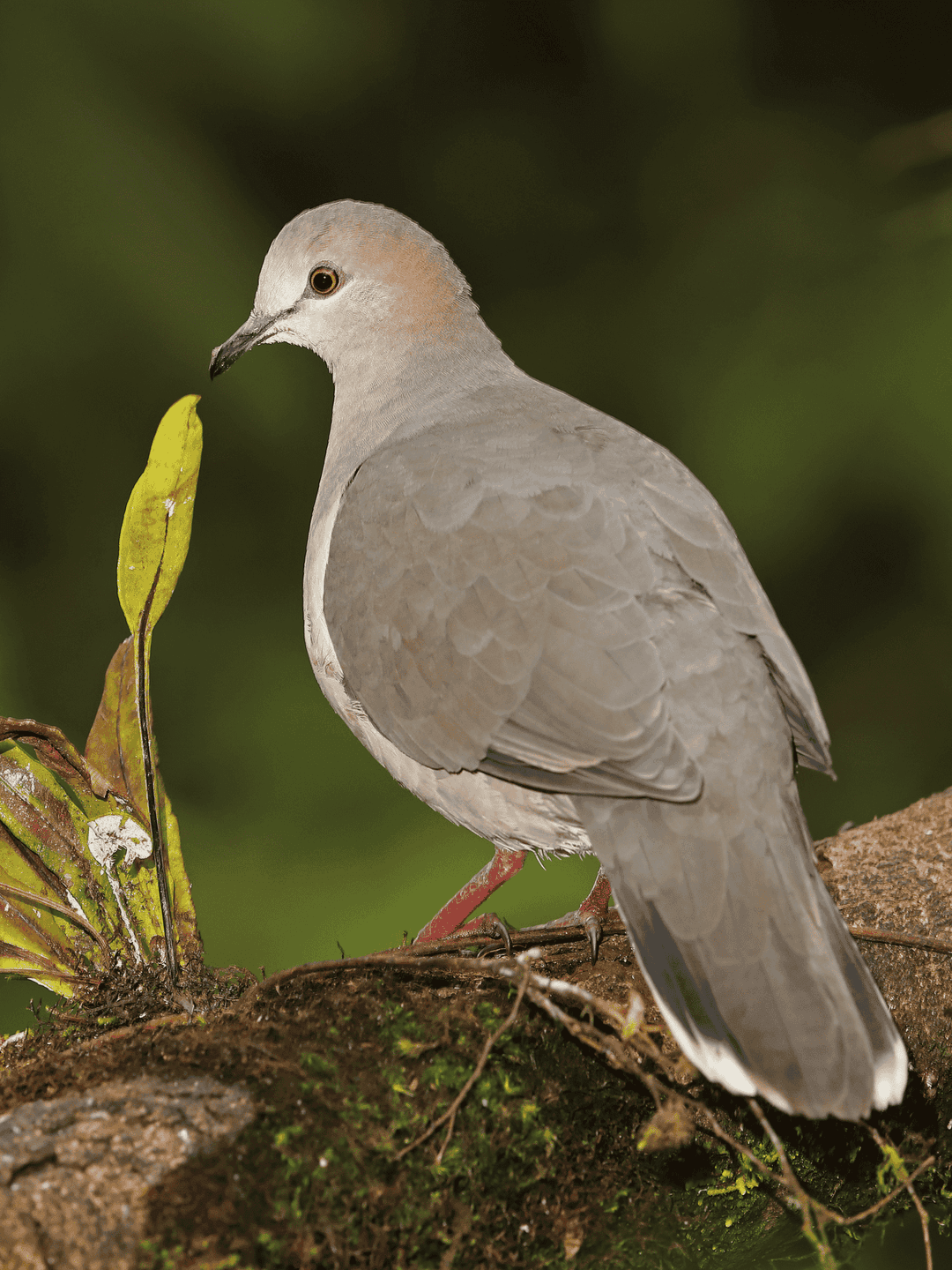
Mourning Dove vs Common Ground-Dove
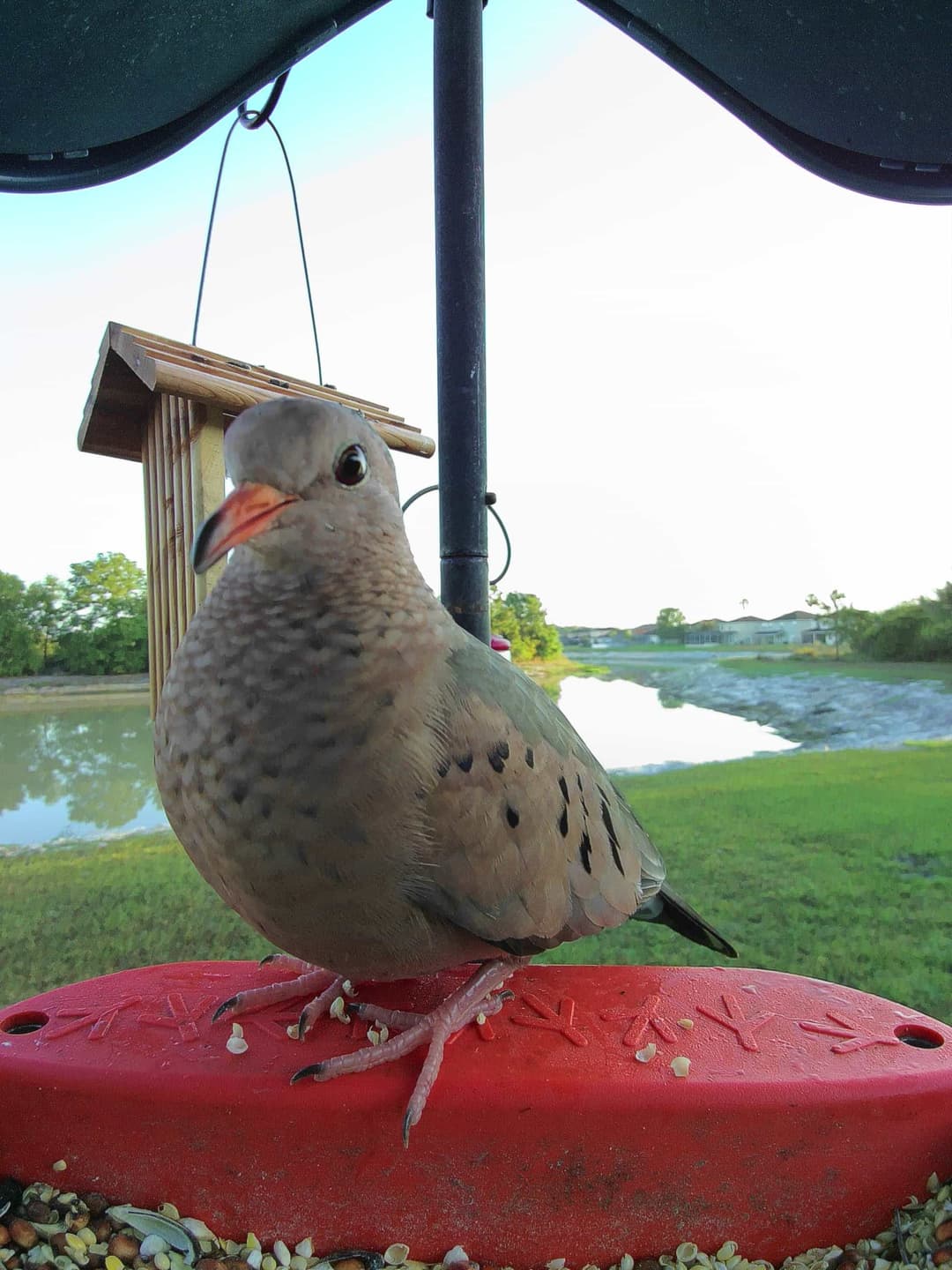
Mourning Dove vs Inca Dove
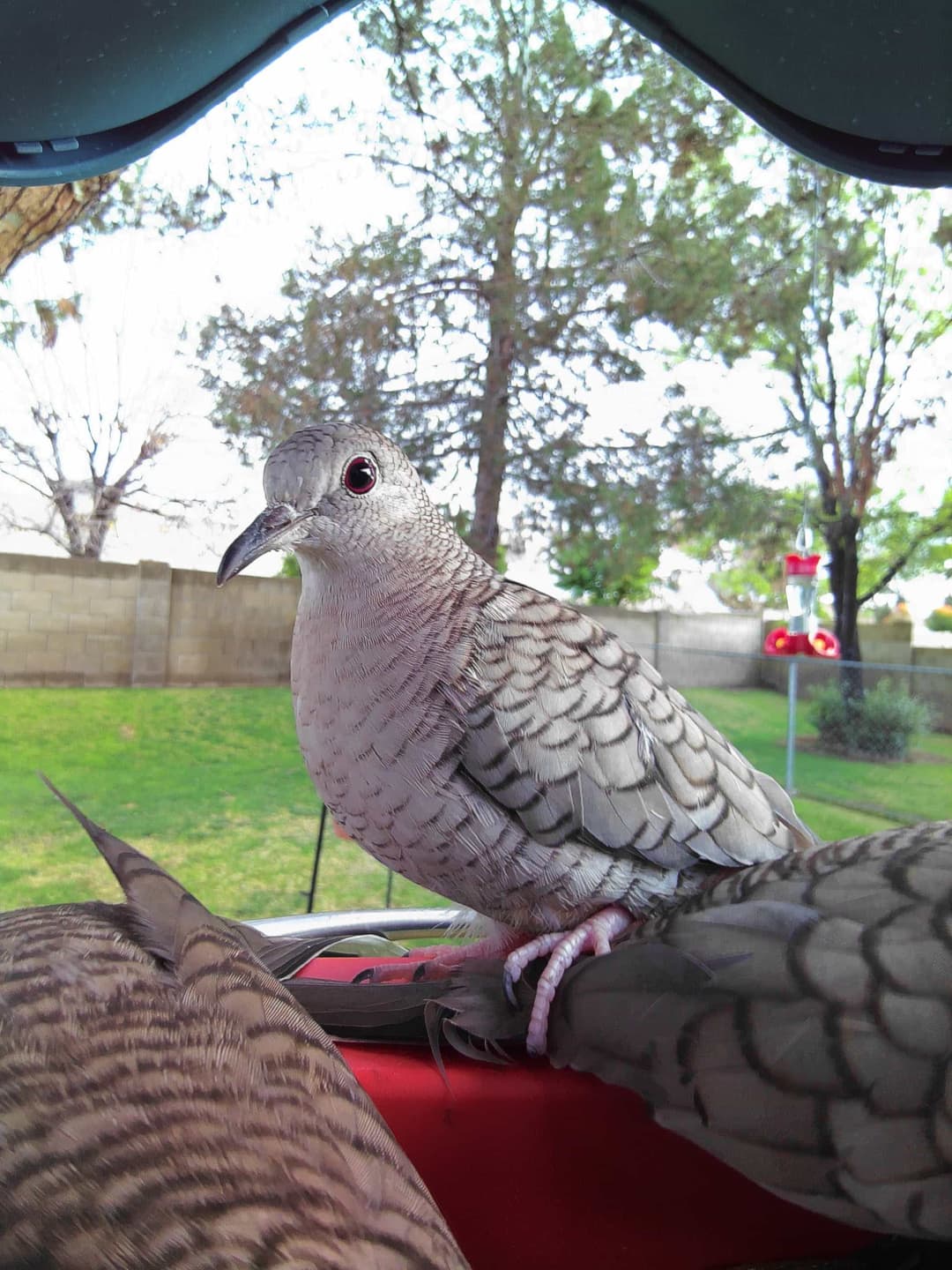
Rock Dove vs [Select a bird]

[Select a bird]
Pick a bird to compare
Mourning Dove vs [Select a bird]
[Select a bird]
Pick a bird to compare