Chestnut-Headed Oropendola or Brown-Headed Cowbird?
Here's how to tell the difference
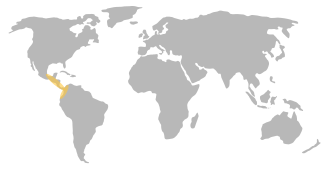


Chestnut-Headed Oropendola
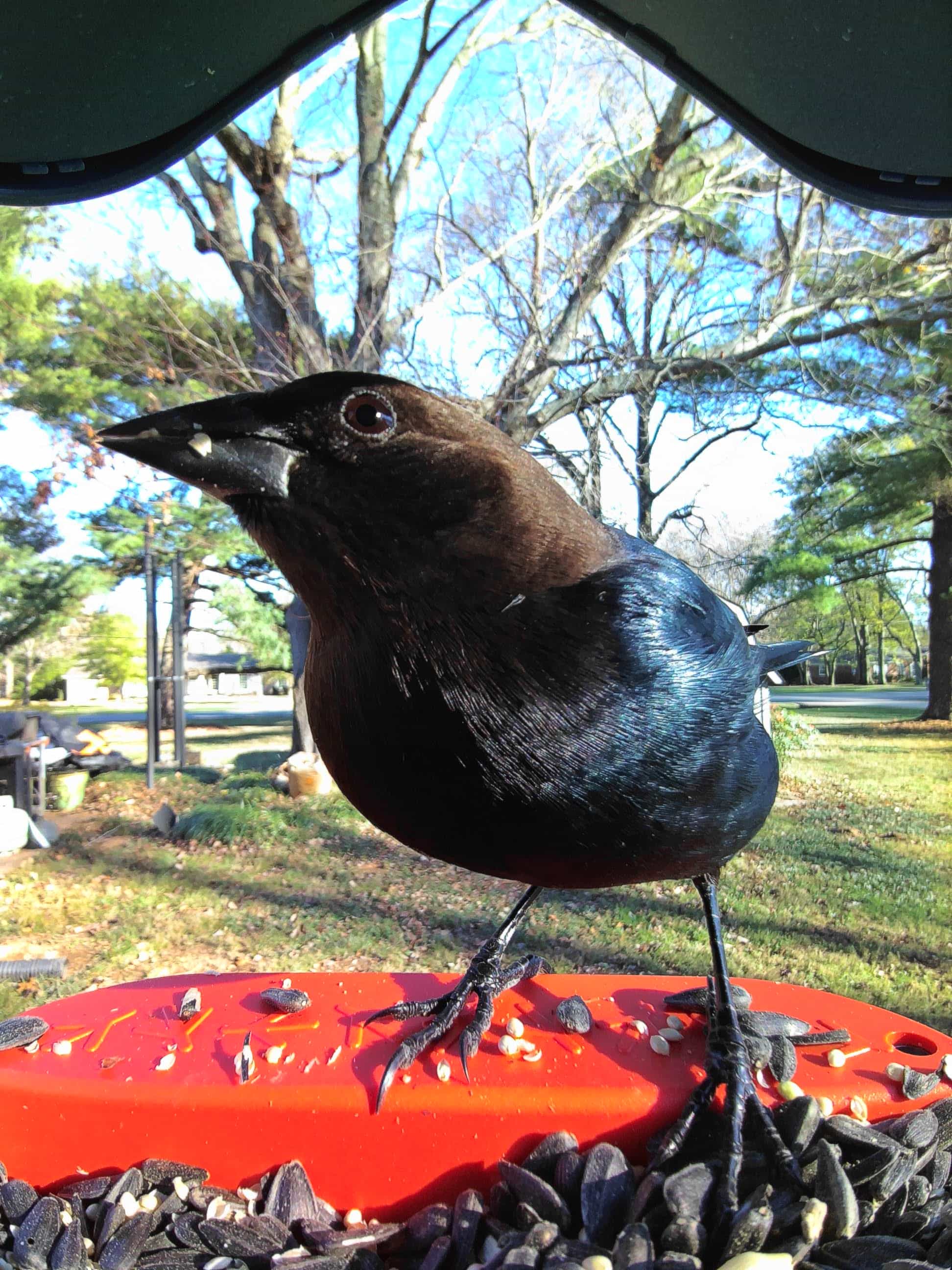


Brown-Headed Cowbird
Chestnut-Headed Oropendola
Psarocolius wagleri
Chestnut-Headed Oropendola Recognition Guide
General appearance: The Chestnut-Headed Oropendola is distinguished by its striking coloration, primarily marked by a chestnut-brown head that contrasts with its vibrant yellow tail. The rest of its body is predominantly a glossy black, providing a distinct separation between the rich brown head and sunny tail. They have a large, pointed bill that is pale, often appearing ivory white, adding to their striking appearance. Overall, the oropendola presents an elegant silhouette with its long, slender body and tail feathers. Male vs female: In terms of sexual dimorphism, the males are typically larger than the females, but otherwise, both sexes share similar plumage characteristics, making it challenging to differentiate them in the wild based solely on appearance. Both males and females exhibit the same distinctive color patterns, with the chestnut head and yellow tail features. Juvenile: Juveniles resemble adults but exhibit a duller plumage coloration, where the brown and black shades are less glossy, and the yellow of the tail may appear muted. The bill of the young birds may also lack the bright, pale coloration seen in adults. As they mature into adults, their plumage intensifies in color, reaching the vivid contrasts seen in fully mature birds.
Size
16.5 - 19.7 in/8.1 - 12.3 oz
There's more to learn about Chestnut-Headed Oropendola
View full detailsBrown-Headed Cowbird
Molothrus ater
General appearance
The brown-headed cowbird is a medium-sized bird, approximately the size of a robin or sparrow, measuring between 6-8 inches or 15-20 cm. Its wing shape is broad and the tail is either rounded or square-tipped. The bird's coloration includes hues of black, brown, green, and tan.
Male vs female
In terms of gender differences, male brown-headed cowbirds are glossy black and sport a contrasting brown head. On the other hand, females have a different appearance, with a plain dusty brown color and a darker sparrowlike bill.
Juvenile
Juvenile brown-headed cowbirds have a unique appearance that changes as they mature. Initially, they are streaked and tend to resemble female adults but their coloration grows darker as they age. Further observation is needed to note if this pattern is consistent across all seasons.
Size
6.3 - 7.9 in/1.1 - 1.8 oz
There's more to learn about Brown-Headed Cowbird
View full detailsHow to tell the Chestnut-Headed Oropendola from the Brown-Headed Cowbird
Visual differences
The Chestnut-Headed Oropendola is significantly larger, measuring 16.5-19.7 inches, compared to the Brown-Headed Cowbird's 6-8 inches. The Oropendola has a distinctive chestnut head with a glossy black body, while the male cowbird is glossy black with a brown head; females are plain dusty brown. The Oropendola's beak is longer and more robust, unlike the cowbird's shorter, broader beak. Oropendolas are also heavier, at 8.1-12.3 oz, compared to the cowbird's 1.1-1.8 oz.
Key differences and behavior
The Chestnut-Headed Oropendola and the Brown-Headed Cowbird display notable behavioral differences. Oropendolas are commonly found in tropical lowland forests, forming noisy colonies, whereas Cowbirds prefer open landscapes like farmlands and engage in silent solitary nesting through brood parasitism. Oropendolas build elaborate nests and participate in complex courtship displays involving aerial acrobatics and rhythmic calls, while Cowbirds perform understated displays, relying on other birds to raise their young. Diet-wise, Oropendolas are omnivorous, consuming fruits and insects, adapting seasonally, whereas Cowbirds have a predominantly seed-based diet, supplemented by insects mostly in summer. These distinctions in habitat, mating, and eating ultimately set these two species apart.
Still not sure? Here are more lookalikes!
Chestnut-Headed Oropendola vs Common Grackle

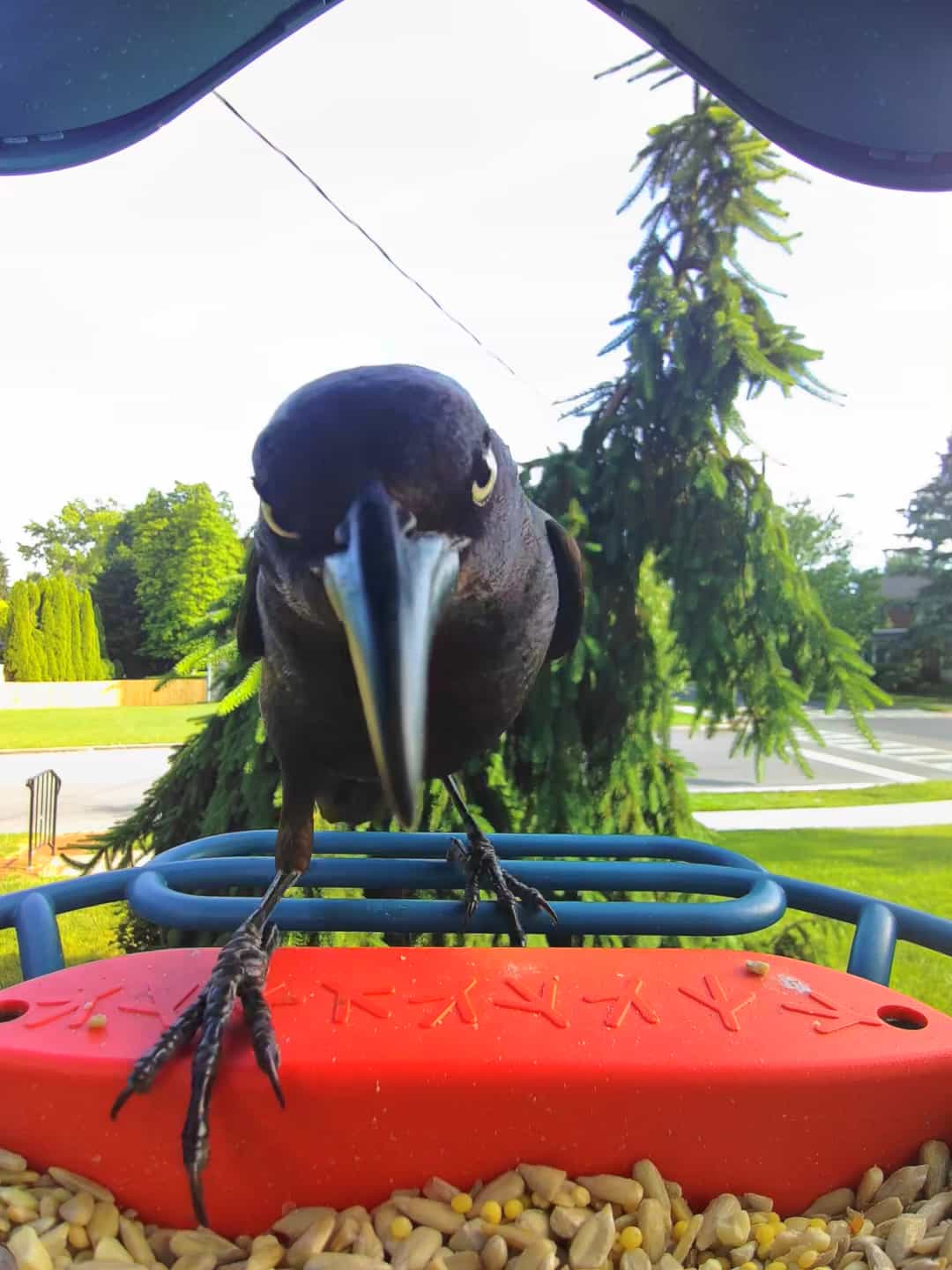
Chestnut-Headed Oropendola vs Red-Winged Blackbird
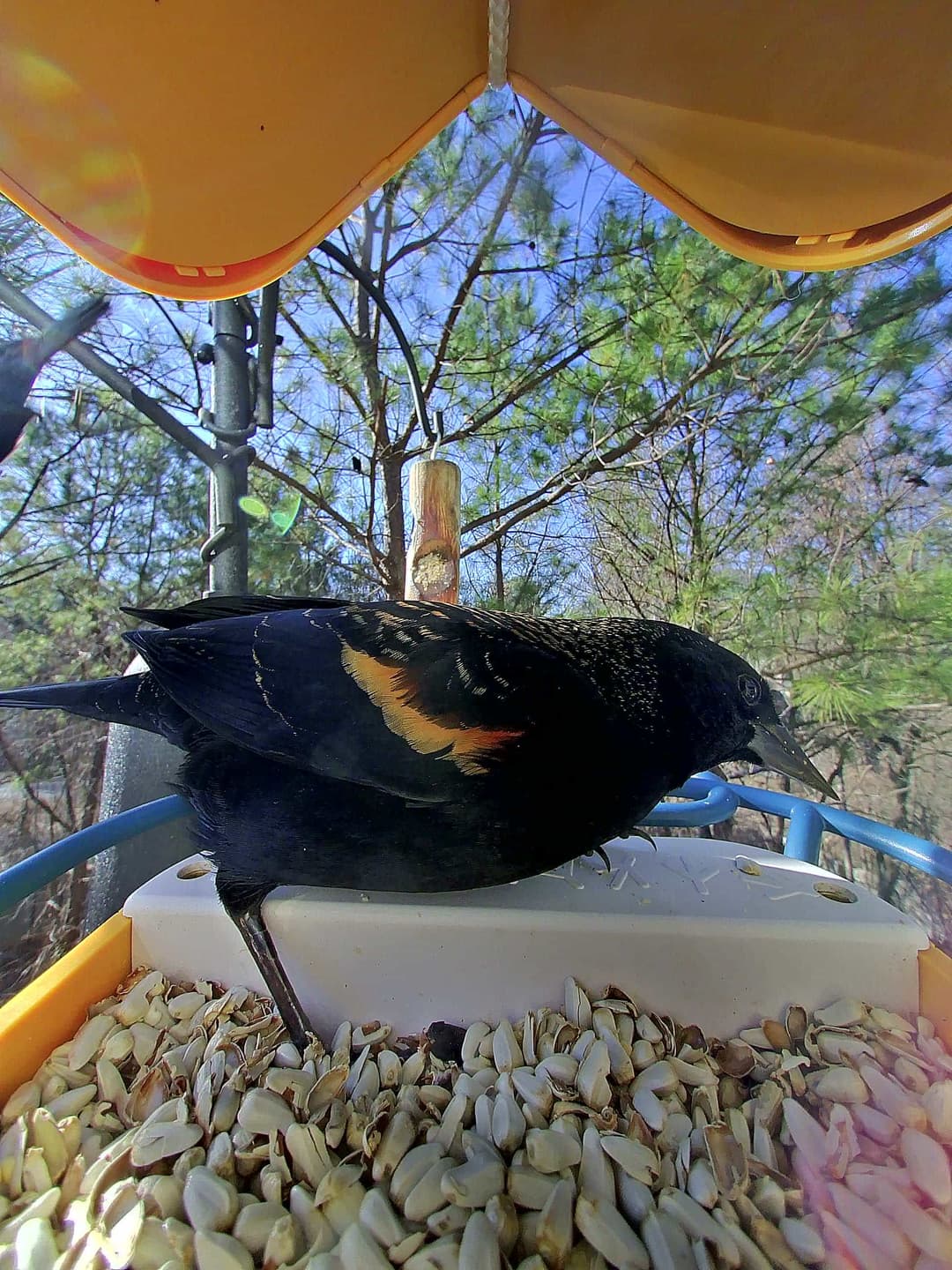
Brown-Headed Cowbird vs Red-Winged Blackbird
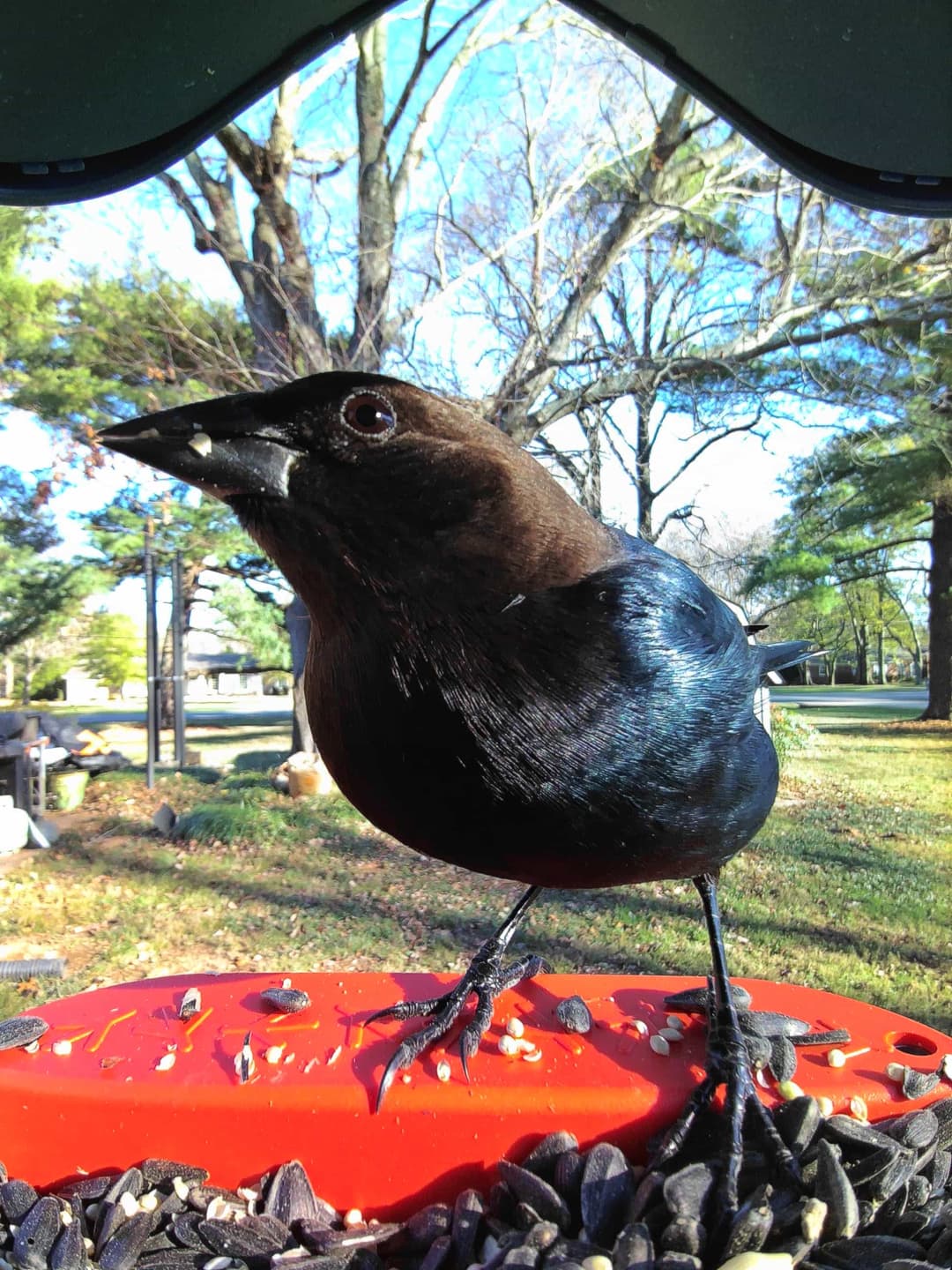
Brown-Headed Cowbird vs Brewer’s Blackbird
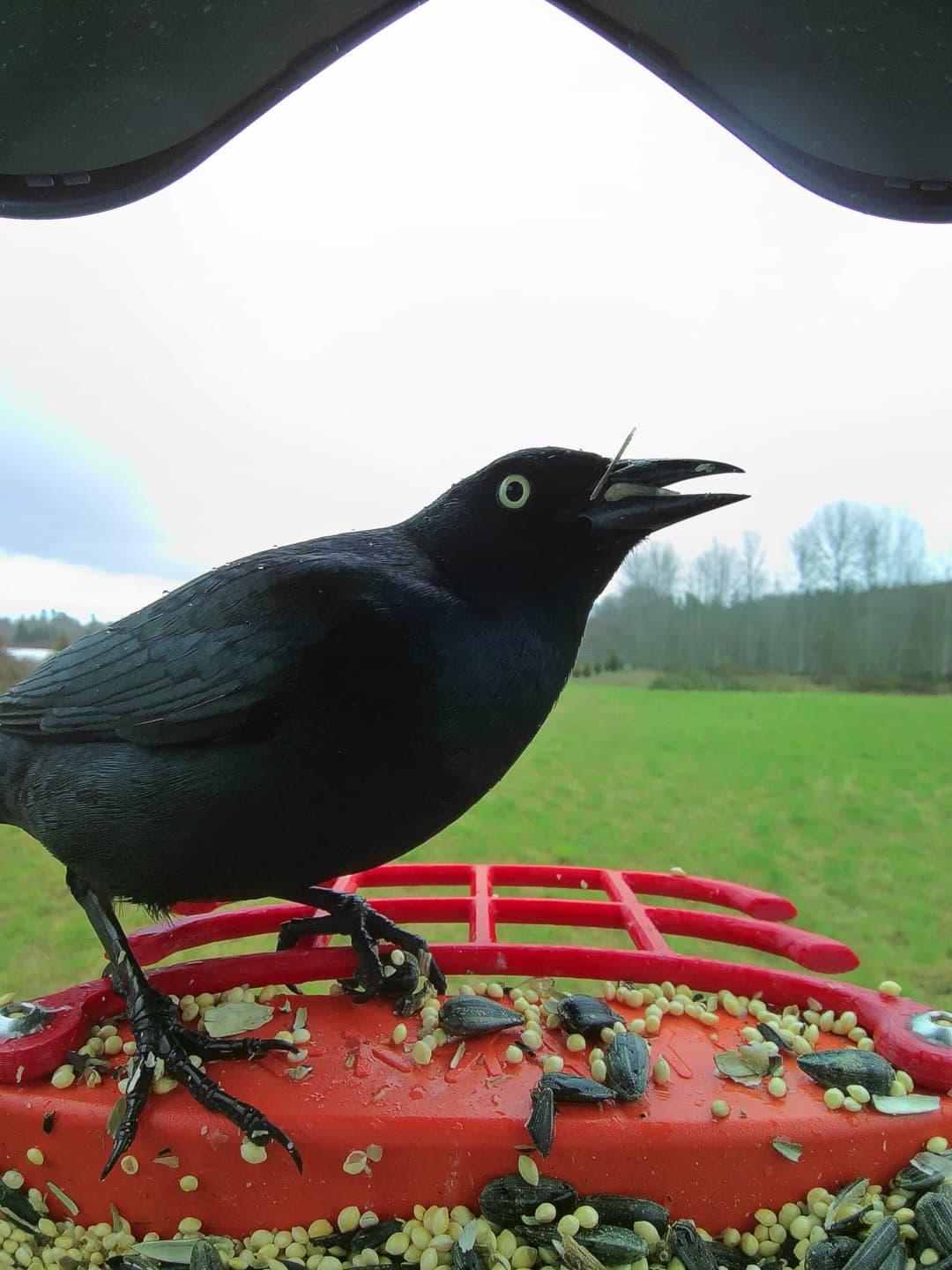
Brown-Headed Cowbird vs Common Grackle
Brown-Headed Cowbird vs Bronzed Cowbird
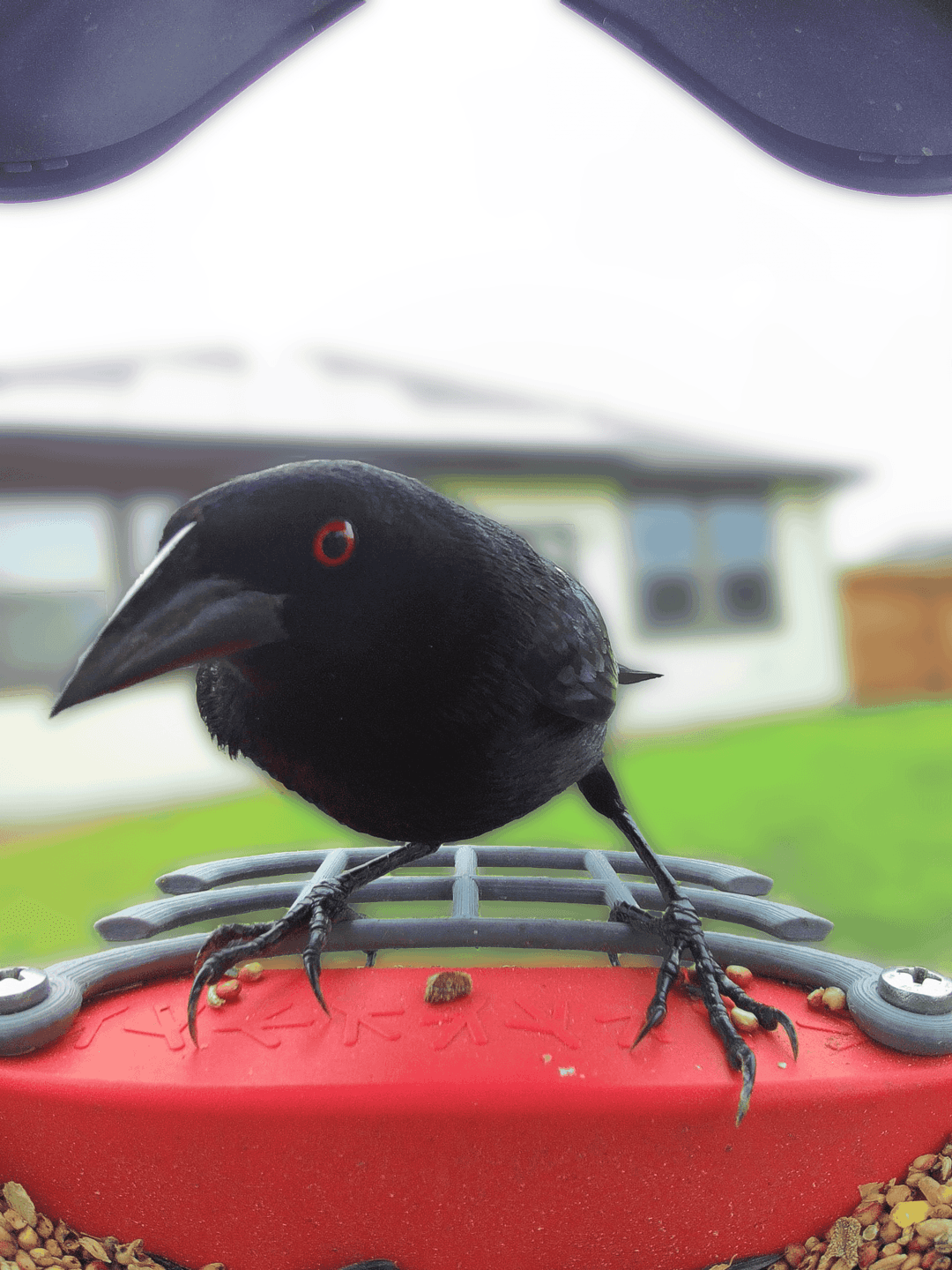
Brown-Headed Cowbird vs Shiny Cowbird
Chestnut-Headed Oropendola vs [Select a bird]

[Select a bird]
Pick a bird to compare
Brown-Headed Cowbird vs [Select a bird]
[Select a bird]
Pick a bird to compare