Tanager or Blue-Winged Mountain Tanager?
Here's how to tell the difference
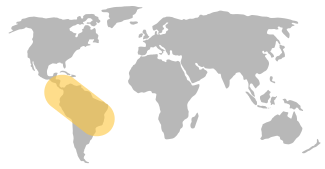

Tanager

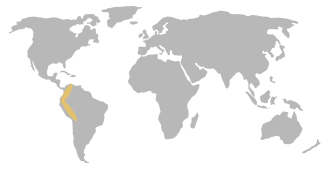
Blue-Winged Mountain Tanager
Tanager
Tangara, Stilpnia, Thraupis
General appearance
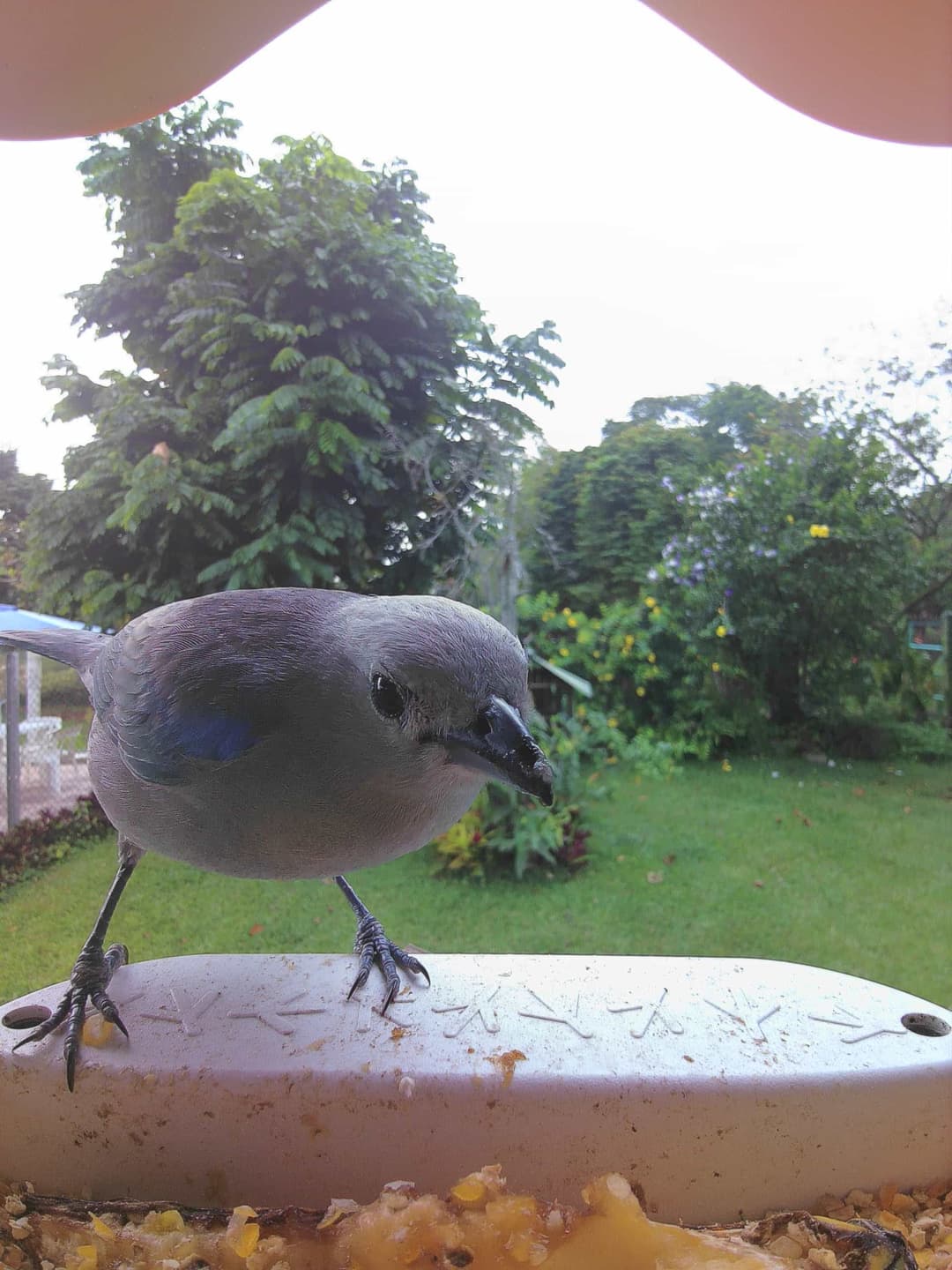
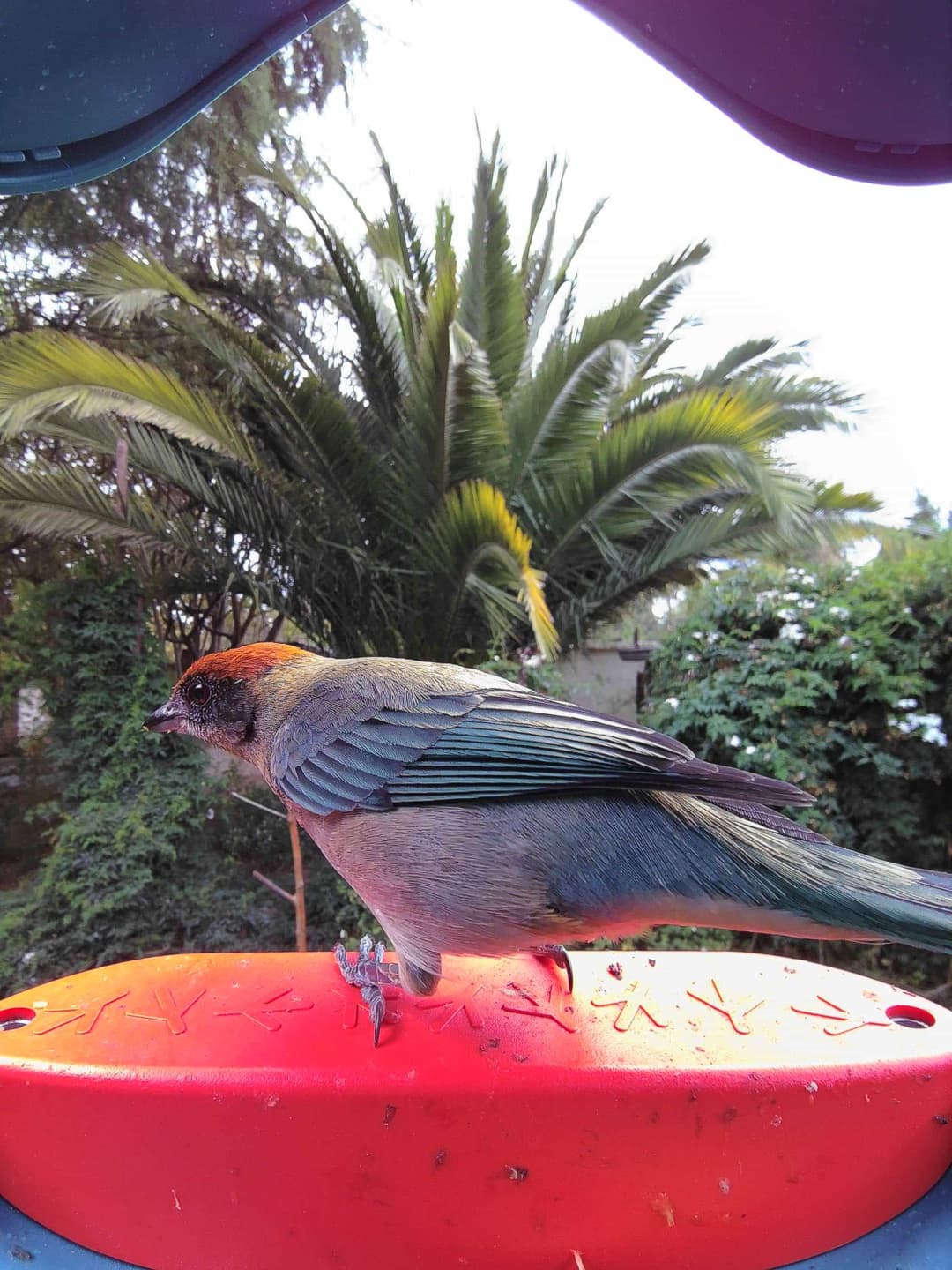
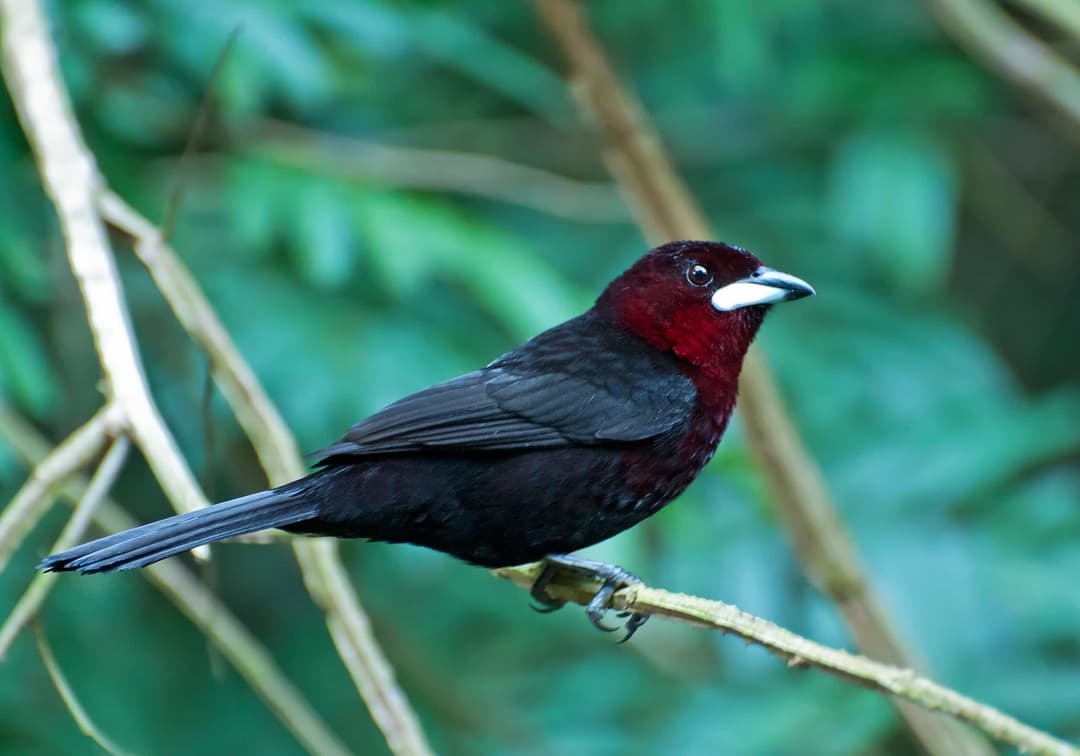
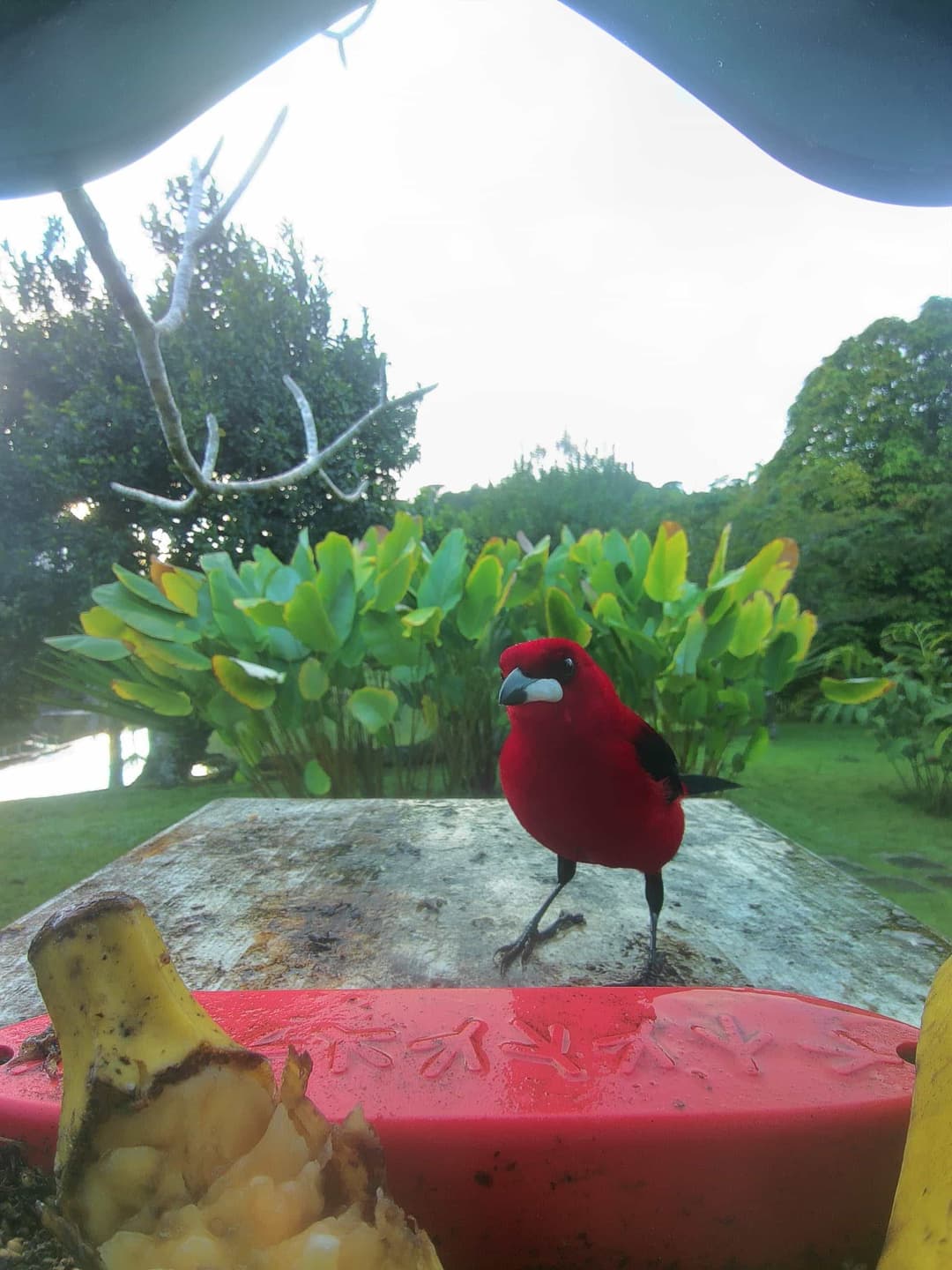
Tanager is a bird distinguished for its vibrant coloration, inclusive of shades such as red, orange, yellow, green, blue, and black. Their size ranges between 11cm to 20cm. The build is often compact, with stout bills and short wings. The Tanagers can be identified in wild by their striking colors and diverse vocalizations.
Male vs female
Males generally exhibit more striking and brighter colors than female tanagers. They often have deep red, blue, or yellow hues, whereas females lean more towards green or yellow-green and might sometimes appear more subdued. Further, some species show little to no difference in coloration between genders. Seasonal variations also exist, where the male's vibrant colors fade after the breeding period.
Juvenile
Juvenile tanagers typically wear modest plumage compared to adults. They usually share similarity with adult females in coloration, yet vary across species. In some species, juvenile males develop adult male coloration in gradual stages during months or years.
Size
4.7 - 7.1 in/0.5 - 1.6 oz
There's more to learn about Tanager
View full detailsBlue-Winged Mountain Tanager
Anisognathus somptuosus
Also known as: Yellow-tufted Mountain Tanager
General appearance
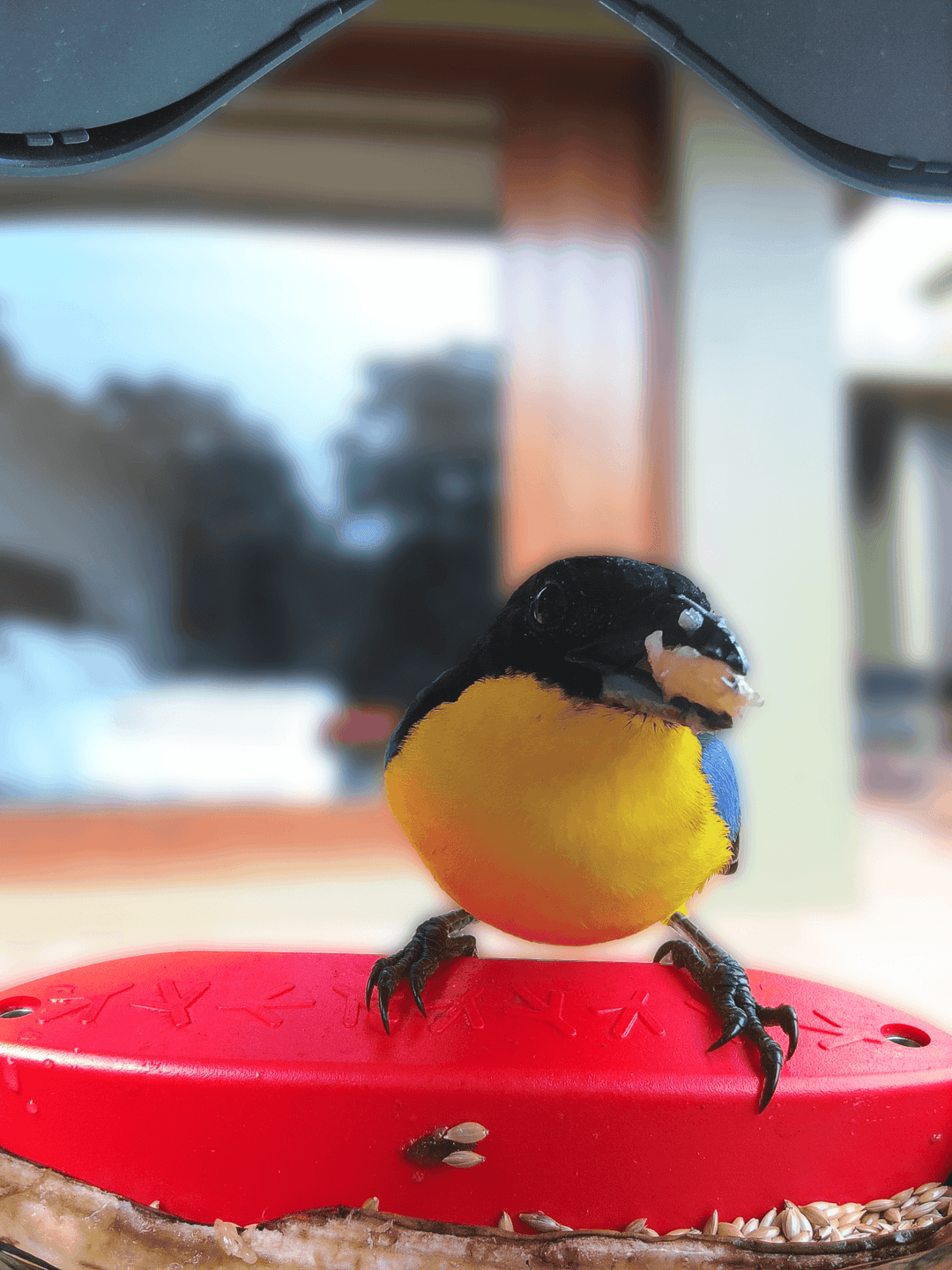
The Blue-winged Mountain Tanager is a stunning bird, best known for its vivid colors. It possesses a bright golden-yellow on the chest and belly, with a turquoise-blue crown and cheeks that extend down to the back and wings, serving as a stark contrast. This species also has a distinctive black mask around the eyes and patch in the center of the chest.
Male vs female
The sexes are mostly alike in the Blue-winged Mountain Tanager, showing no noticeable differences in physical appearance or coloration. Both sexes exhibit the same striking mix of yellow, black, and blue.
Juvenile
Juvenile Blue-winged Mountain Tanagers have a less conspicuous plumage compared to adults. Their coloration is generally duller, particularly the blue, which is darker and less vibrant. The yellow belly is also paler in juveniles. As they mature, their colors progressively intensify.
Size
6.3 - 6.7 in/1.2 - 2.0 oz
There's more to learn about Blue-Winged Mountain Tanager
View full detailsHow to tell the Tanager from the Blue-Winged Mountain Tanager
Visual differences
The Tanager and Blue-Winged Mountain Tanager differ mainly in coloration and size. Tanagers exhibit a wide range of bright colors like red, orange, and green, while Blue-Winged Mountain Tanagers feature a striking blue, yellow, and black combination with a distinctive black mask. Tanagers are generally smaller, ranging from 4.3 to 7.9 inches, whereas Blue-Winged Mountain Tanagers are slightly larger at about 6.3 to 6.7 inches. Both birds have stout bills, but the Blue-Winged Mountain Tanager often appears more robust. The Blue-Winged Mountain Tanager's vivid coloration is consistent across sexes, unlike Tanagers.
Key differences and behavior
Tanager species (Tangara, Stilpnia, Thraupis) and Blue-Winged Mountain Tanagers both showcase vibrant colors, yet their behaviors and habitats differ notably. Tanagers inhabit a broad range of Neotropical areas and can adapt to diverse environments, including urban settings. They exhibit gregarious nesting behaviors with vibrant courtship, and a diet largely consisting of fruits and insects. In contrast, Blue-Winged Mountain Tanagers primarily dwell in high-altitude Andean forests and are more sociable, forming mixed-species foraging flocks. They display lively courtship primarily through vocal exchanges and show less gender dimorphism in appearance. Both species feed on fruits and insects, but Blue-Winged Mountain Tanagers lean towards higher altitudes and prefer canopy-level foraging. While both frequent bird feeders, Blue-Winged Mountain Tanagers are less common in gardens due to their specific altitude preferences.
Still not sure? Here are more lookalikes!
Tanager vs Scrub Tanager
Tanager vs Blue-and-Yellow Tanager
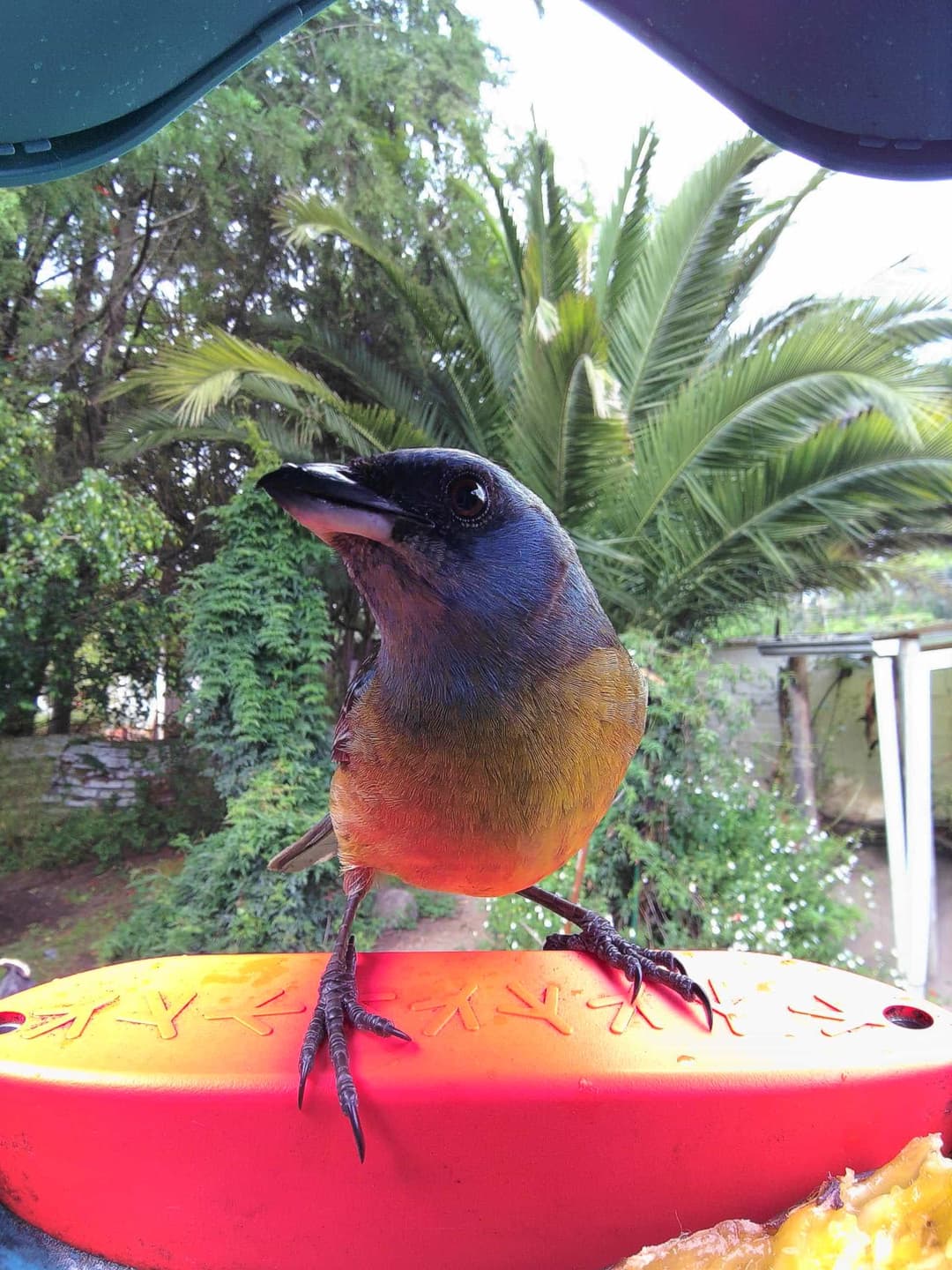
Tanager vs Golden-Chevroned Tanager
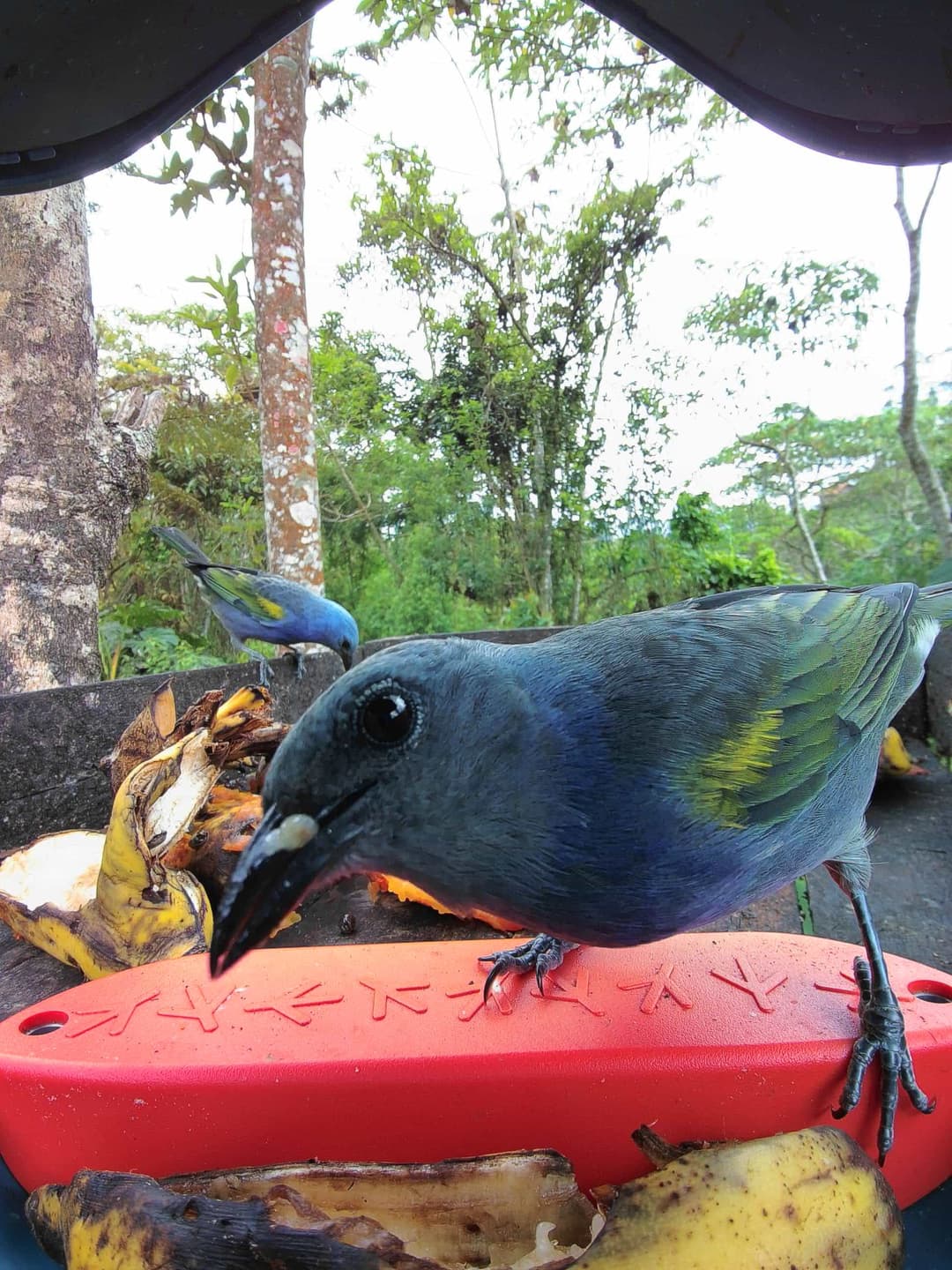
Tanager vs Brassy-Breasted Tanager
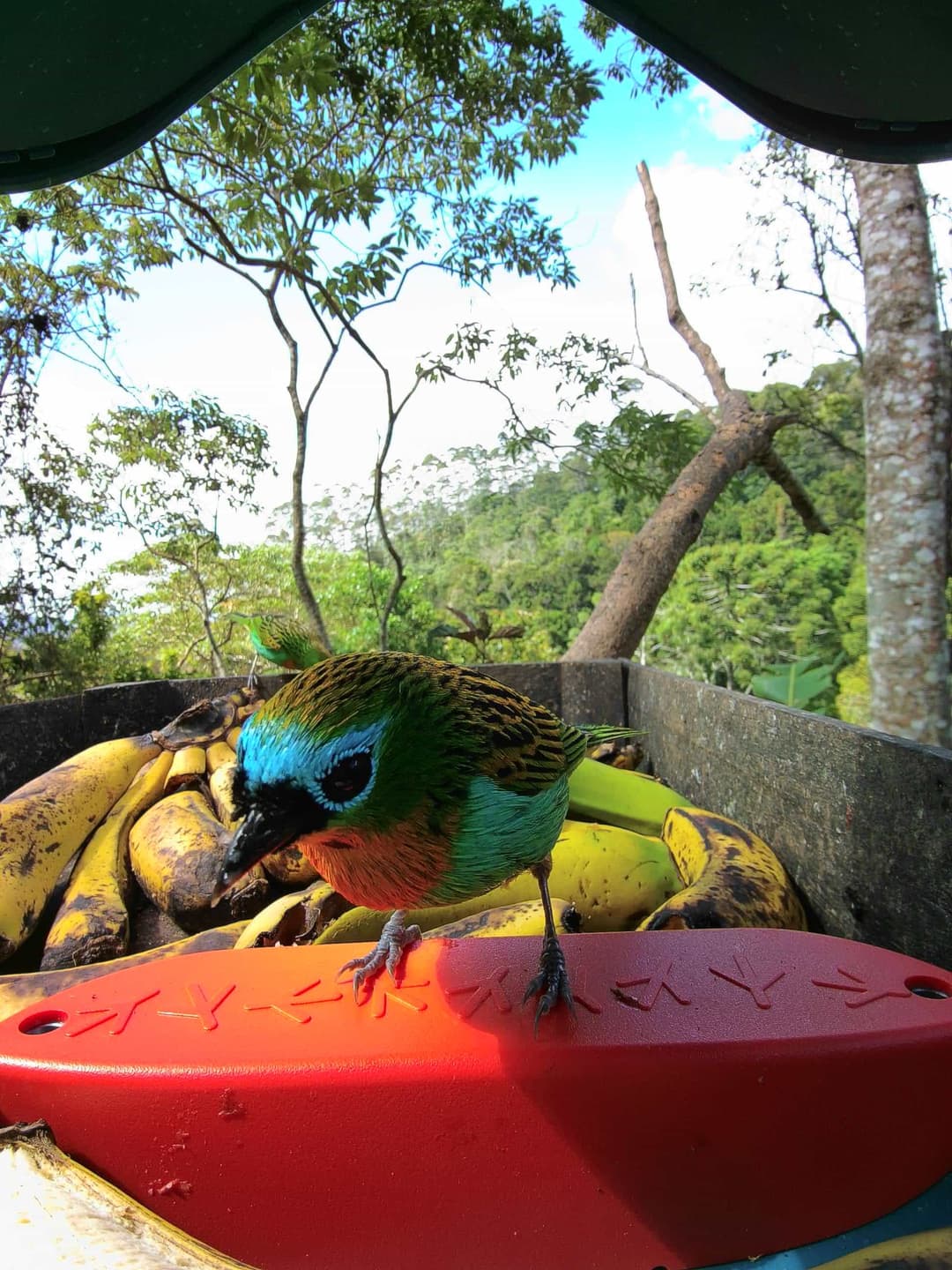
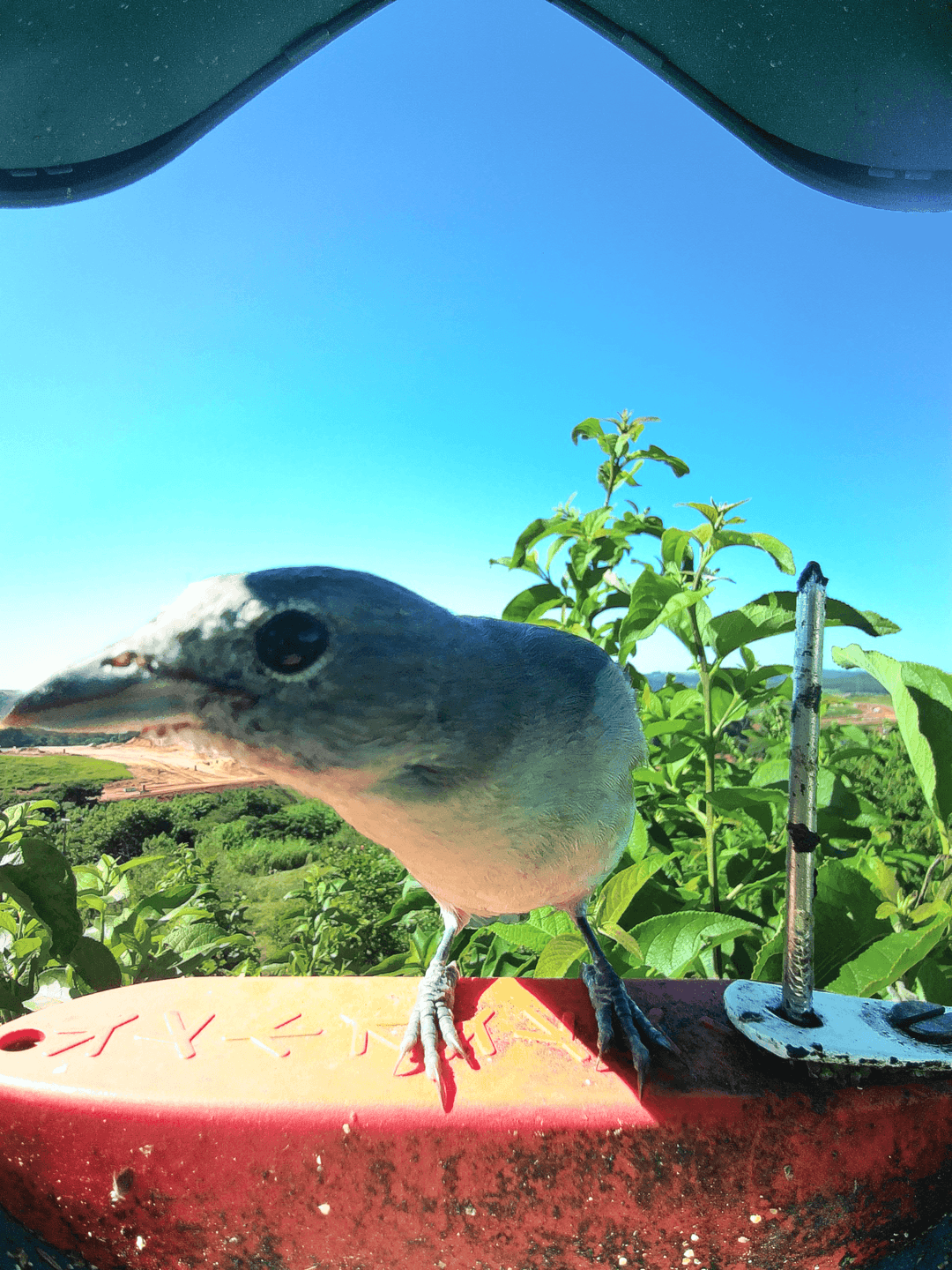
Blue-Winged Mountain Tanager vs Blue-and-Yellow Tanager
Blue-Winged Mountain Tanager vs Golden-Chevroned Tanager
Blue-Winged Mountain Tanager vs Brassy-Breasted Tanager
Blue-Winged Mountain Tanager vs Sayaca Tanager
Tanager vs [Select a bird]

[Select a bird]
Pick a bird to compare
Blue-Winged Mountain Tanager vs [Select a bird]
[Select a bird]
Pick a bird to compare