Birds in Merritt Island,
Florida
Merritt Island, Florida, offers vibrant landscapes for birdwatching, with its diverse habitats including wetlands, marshes, and coastal dunes. This area is part of the Merritt Island National Wildlife Refuge, providing crucial stopover points for migratory birds and hosts a rich biodiversity. Birdwatchers flock here to observe a wide array of species, making it a premier destination for avian enthusiasts seeking unique birding experiences.
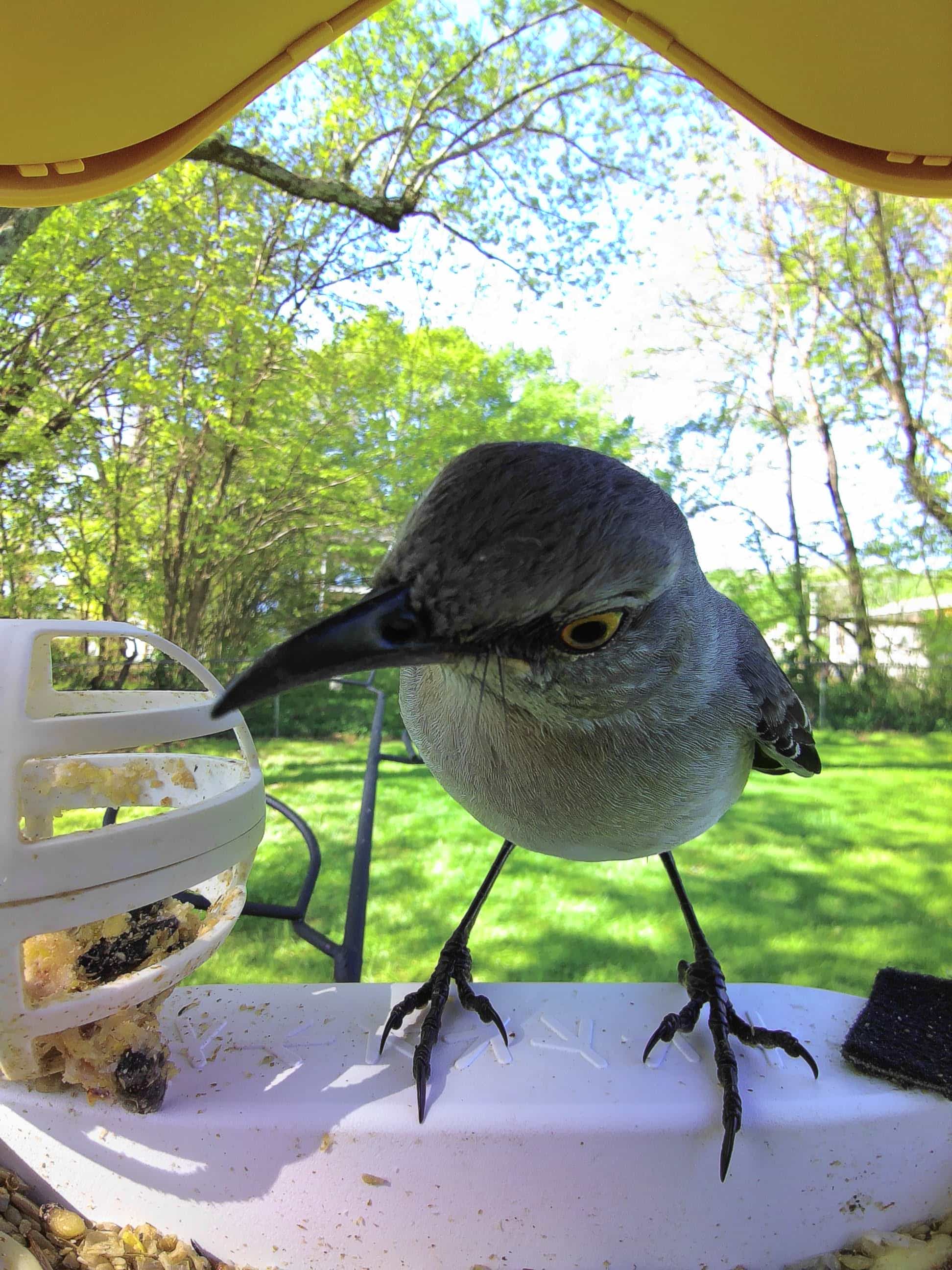
Most iconic Merritt Island bird
The Northern mockingbird was chosen as the state bird of Florida because it is commonly found in the region and represents the state's natural beauty and heritage.
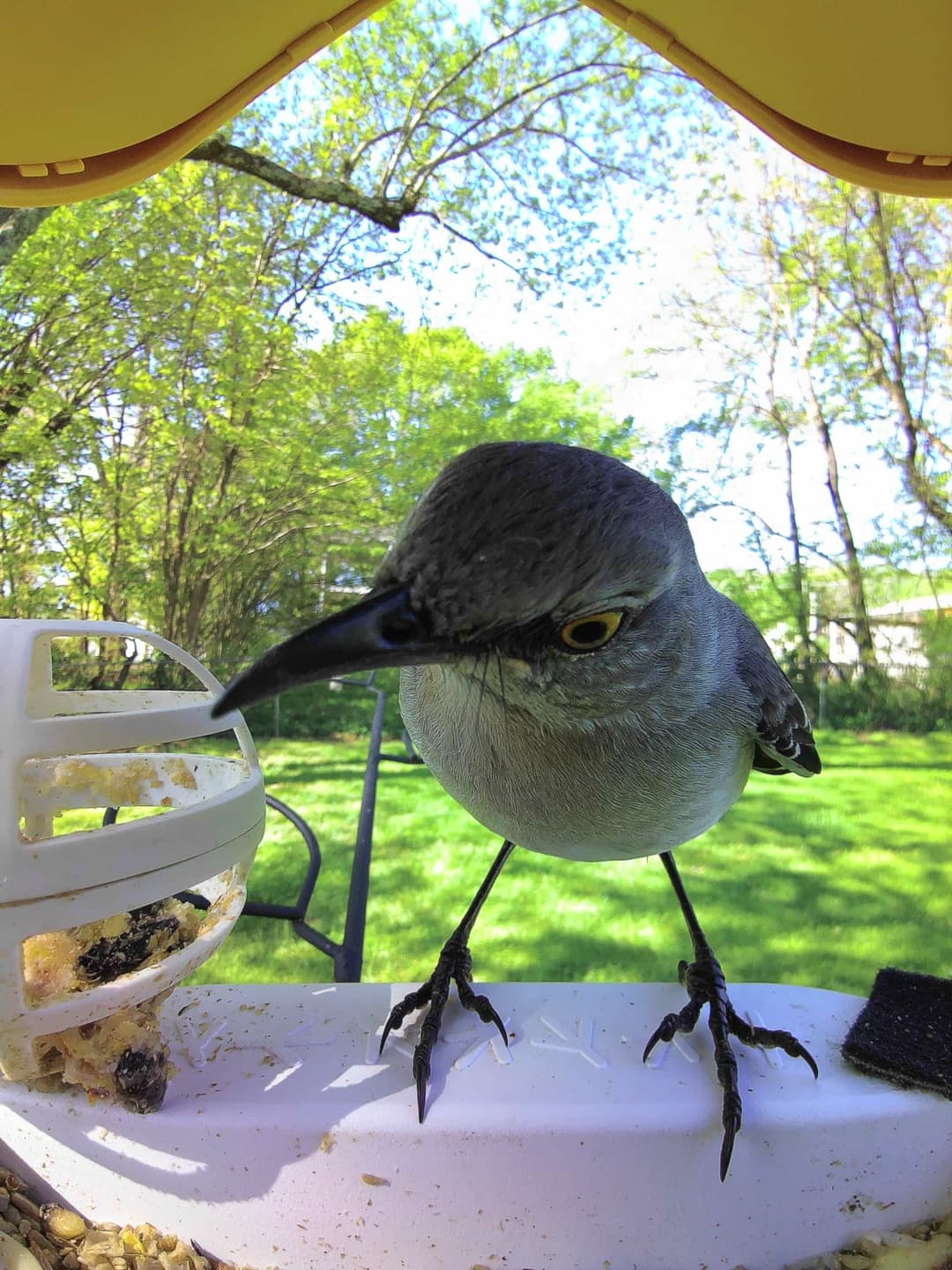
Common bird species in Merritt Island
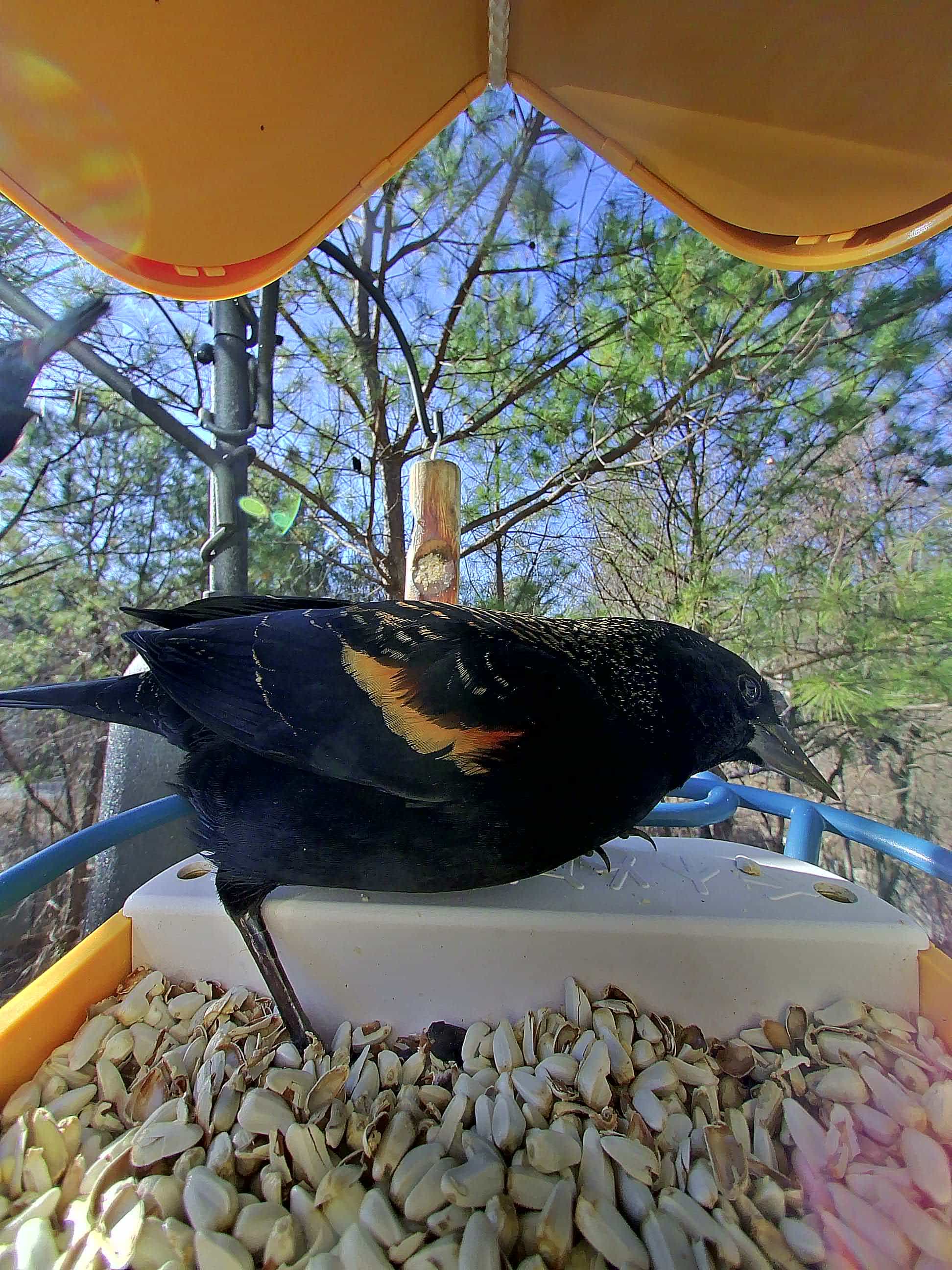
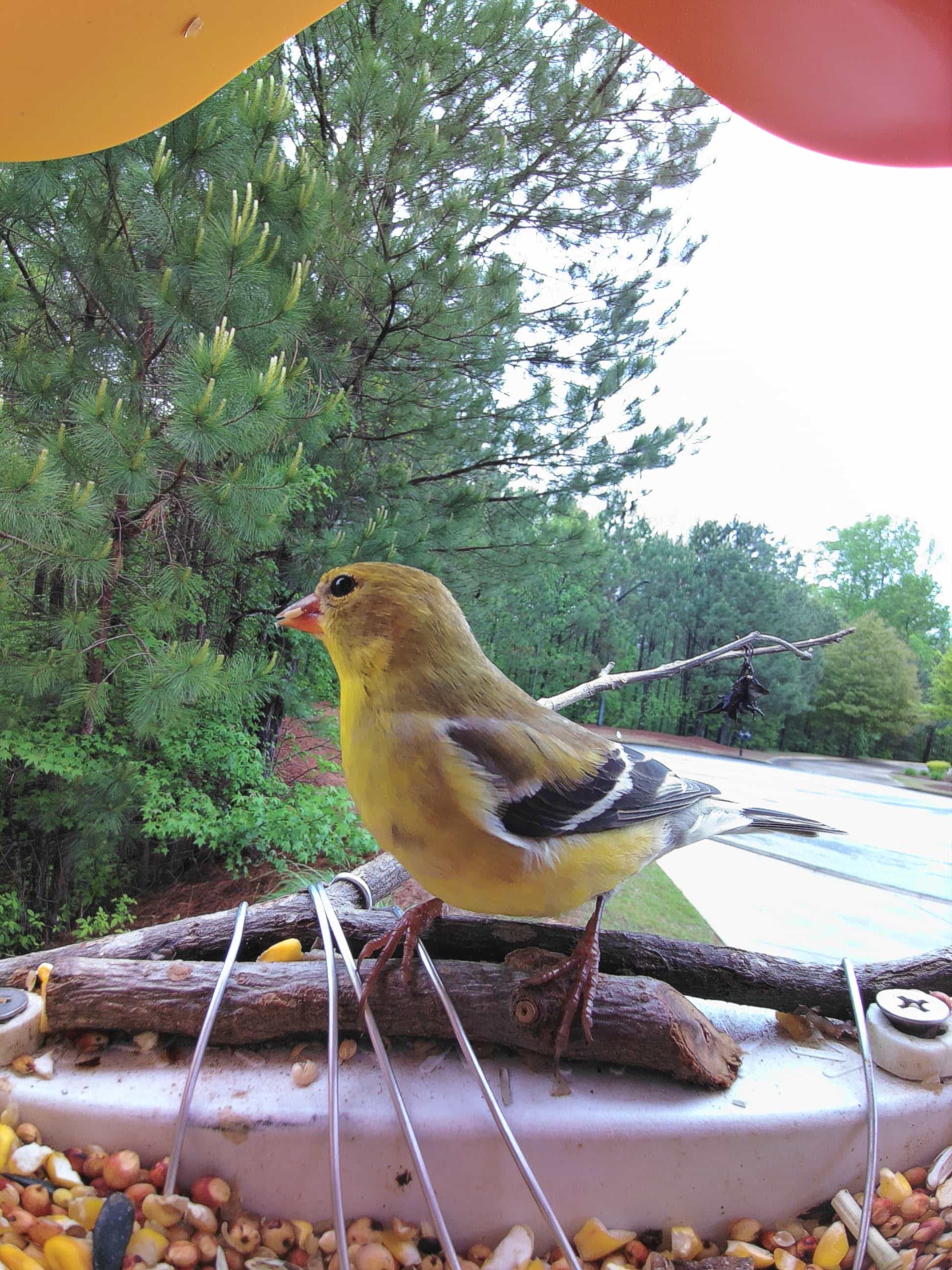
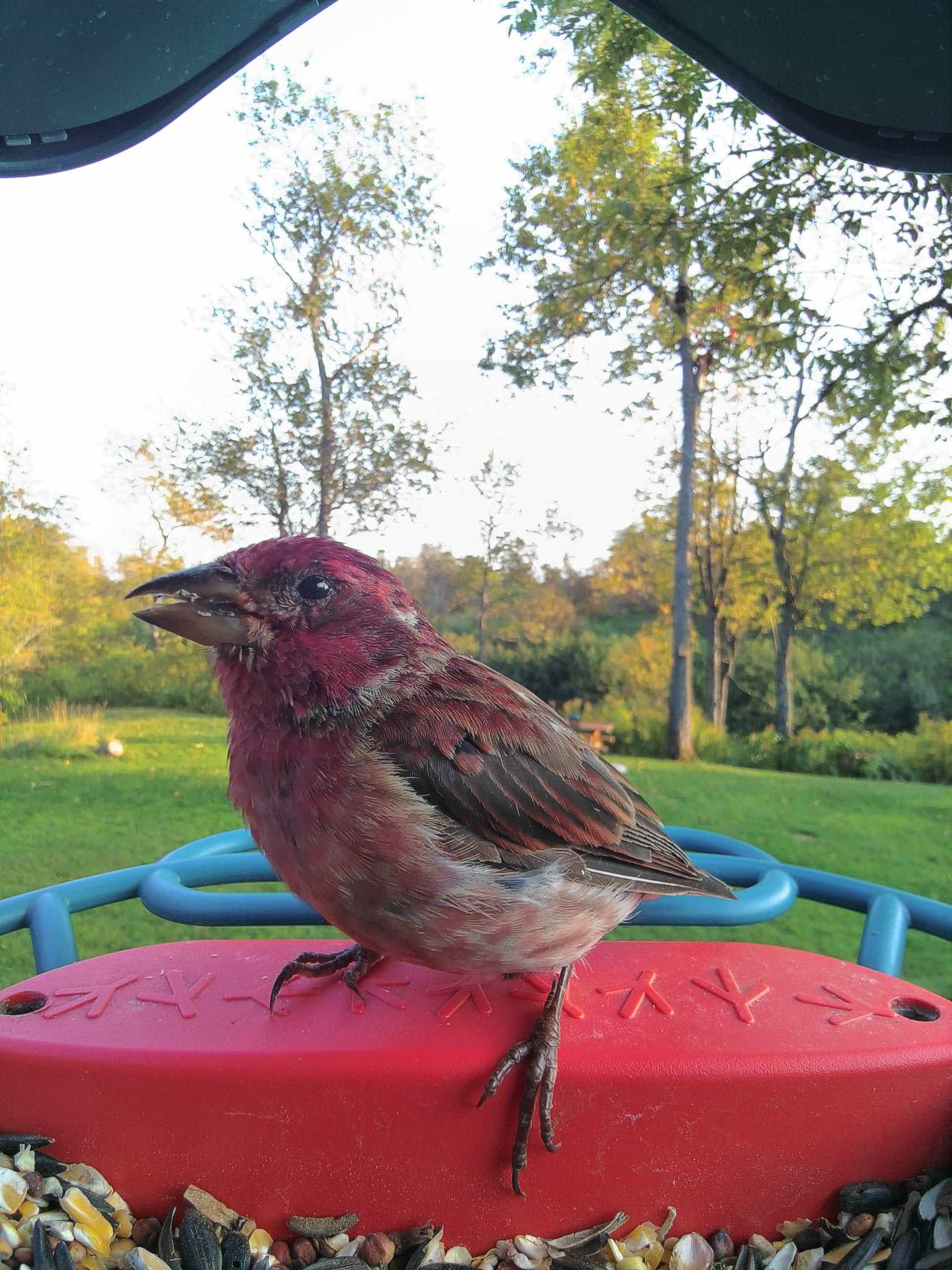
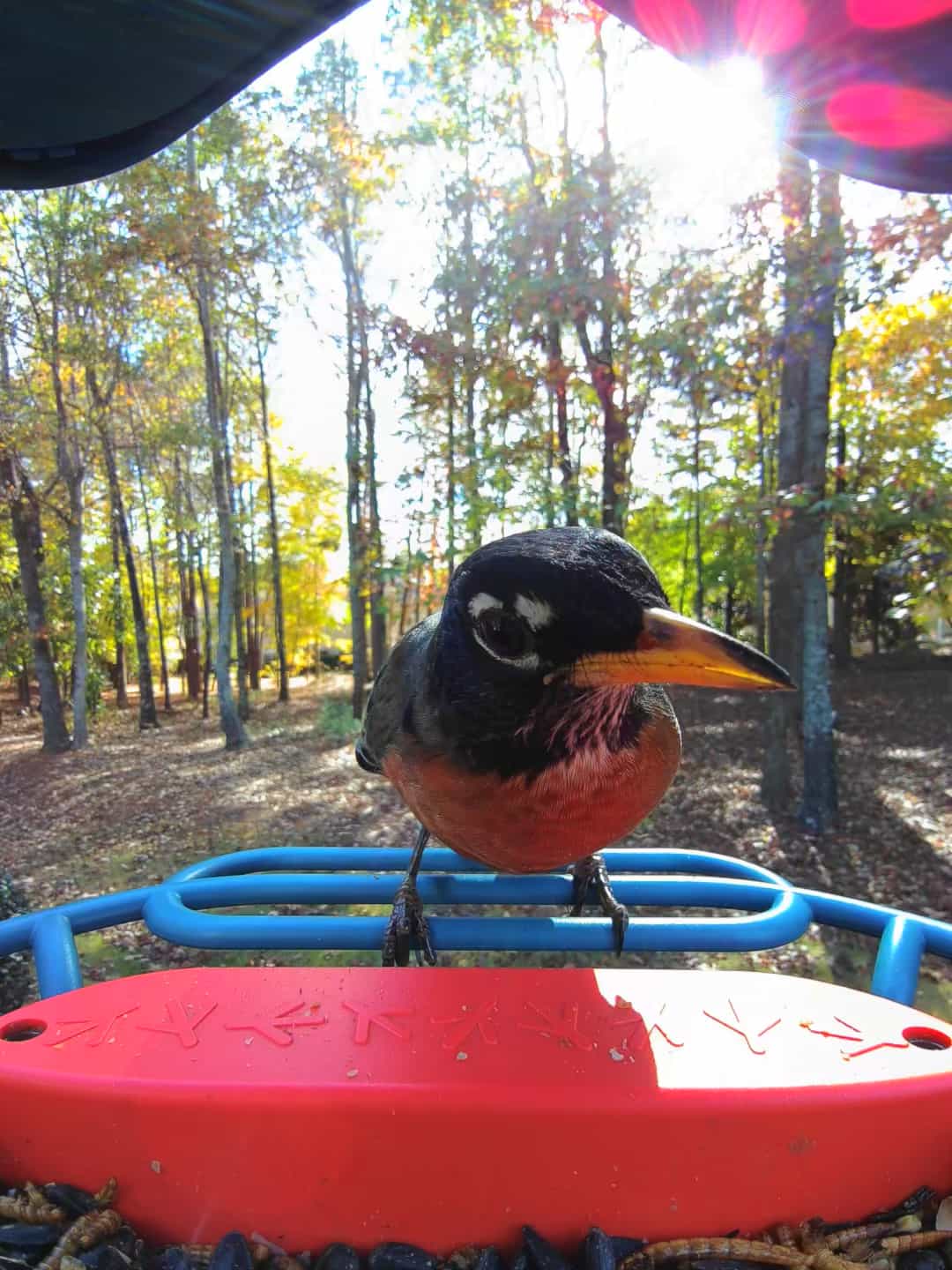
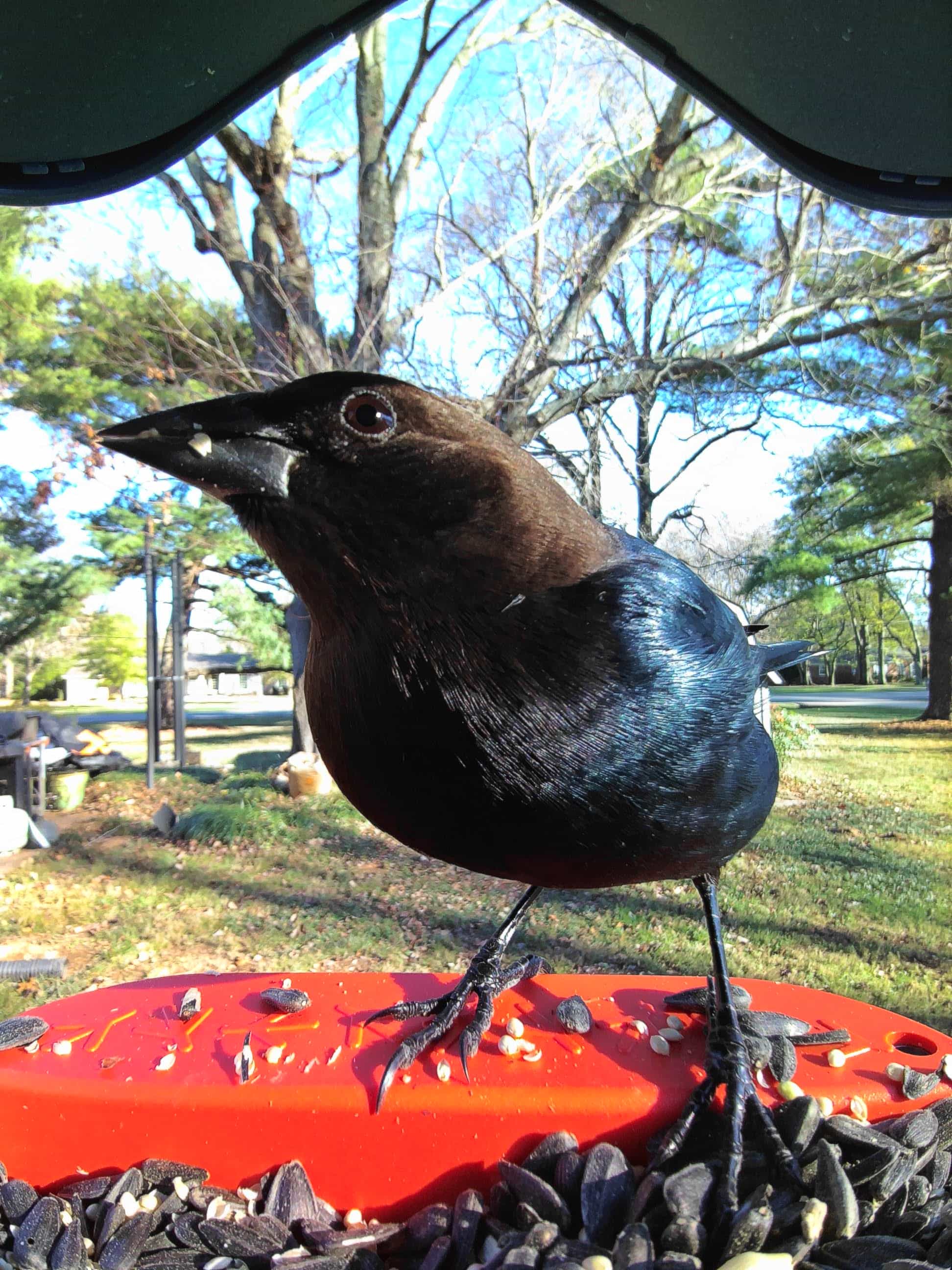
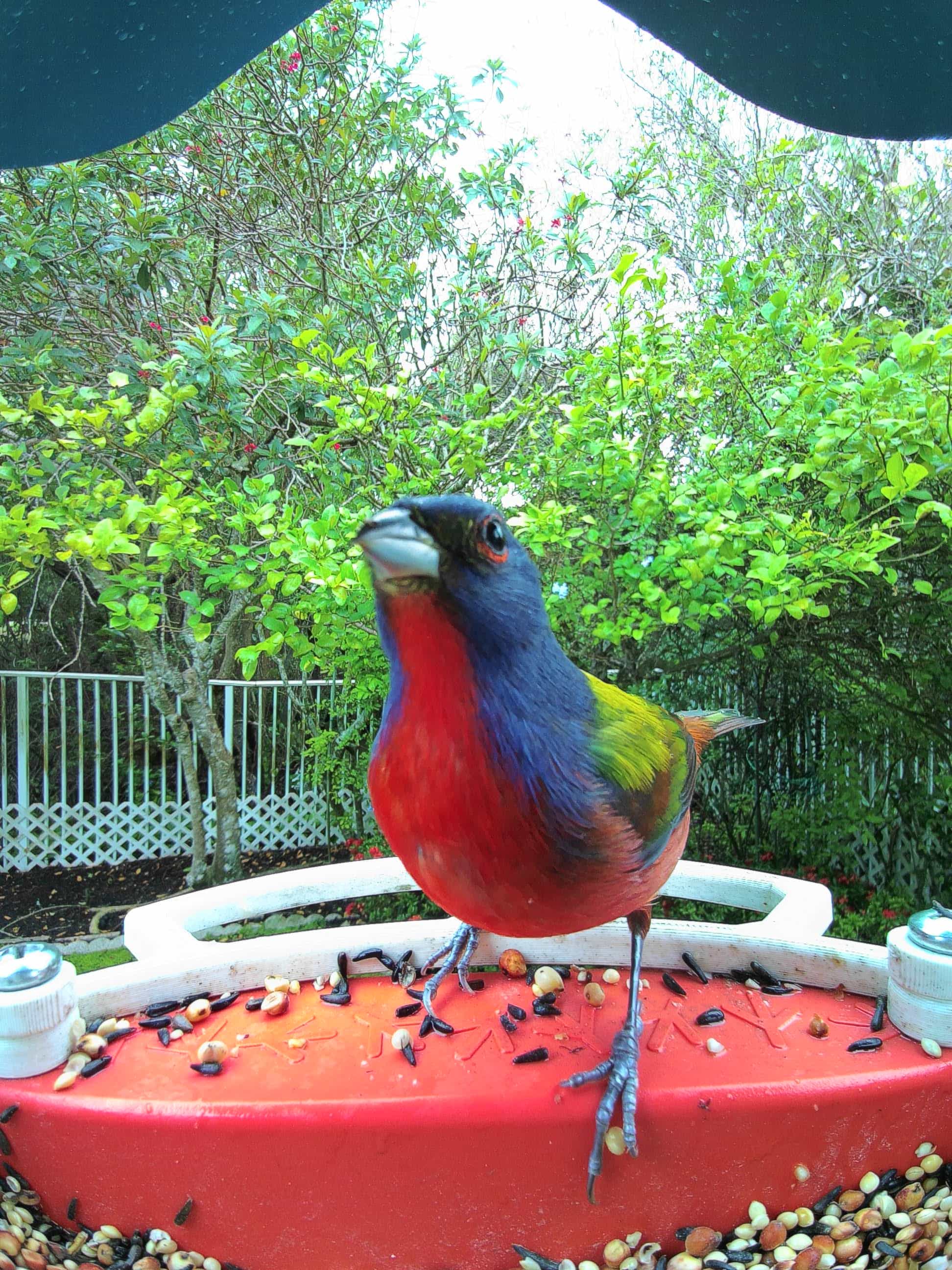
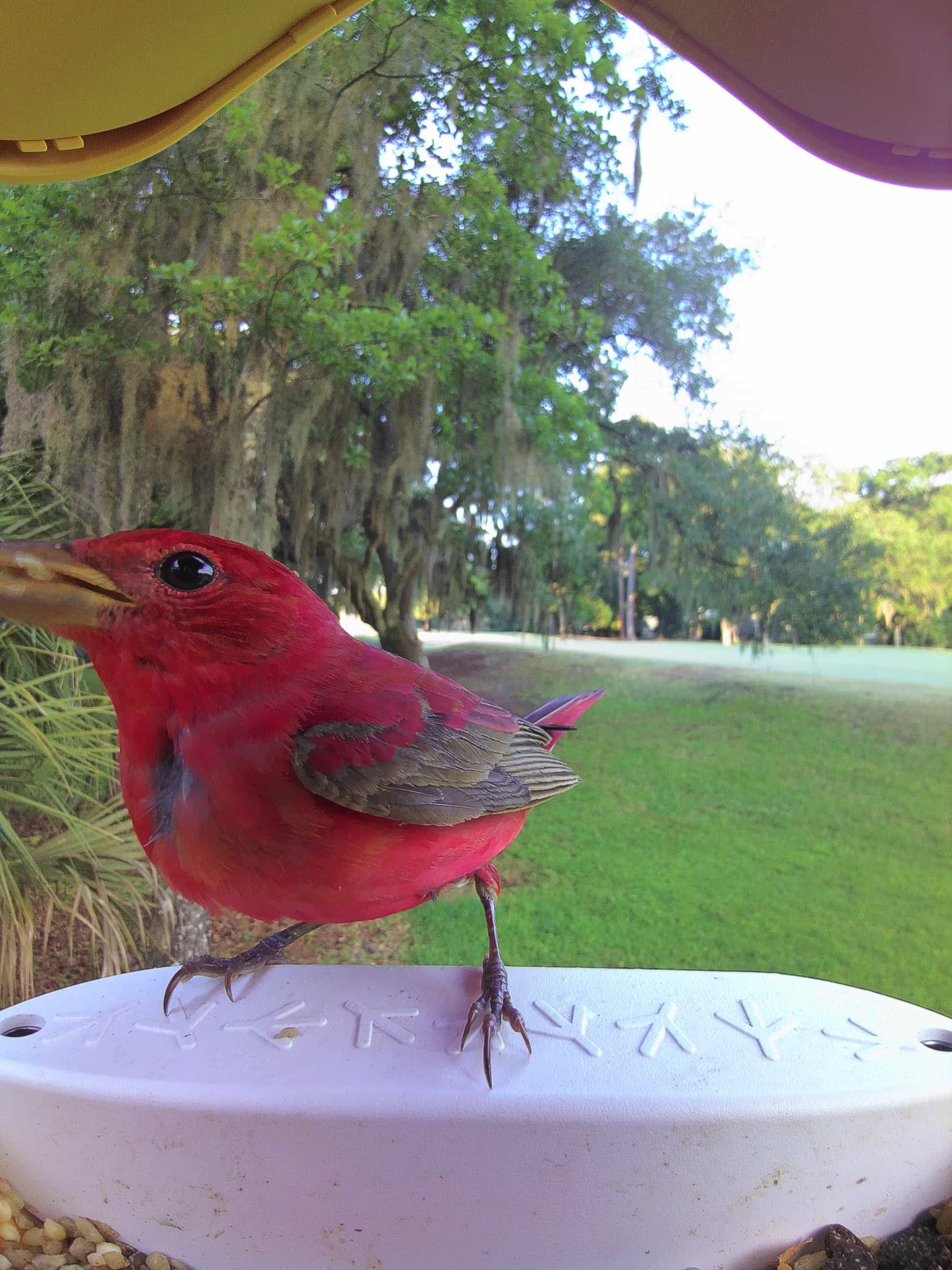
Birds seen on Birdbuddy feeders in Merritt Island
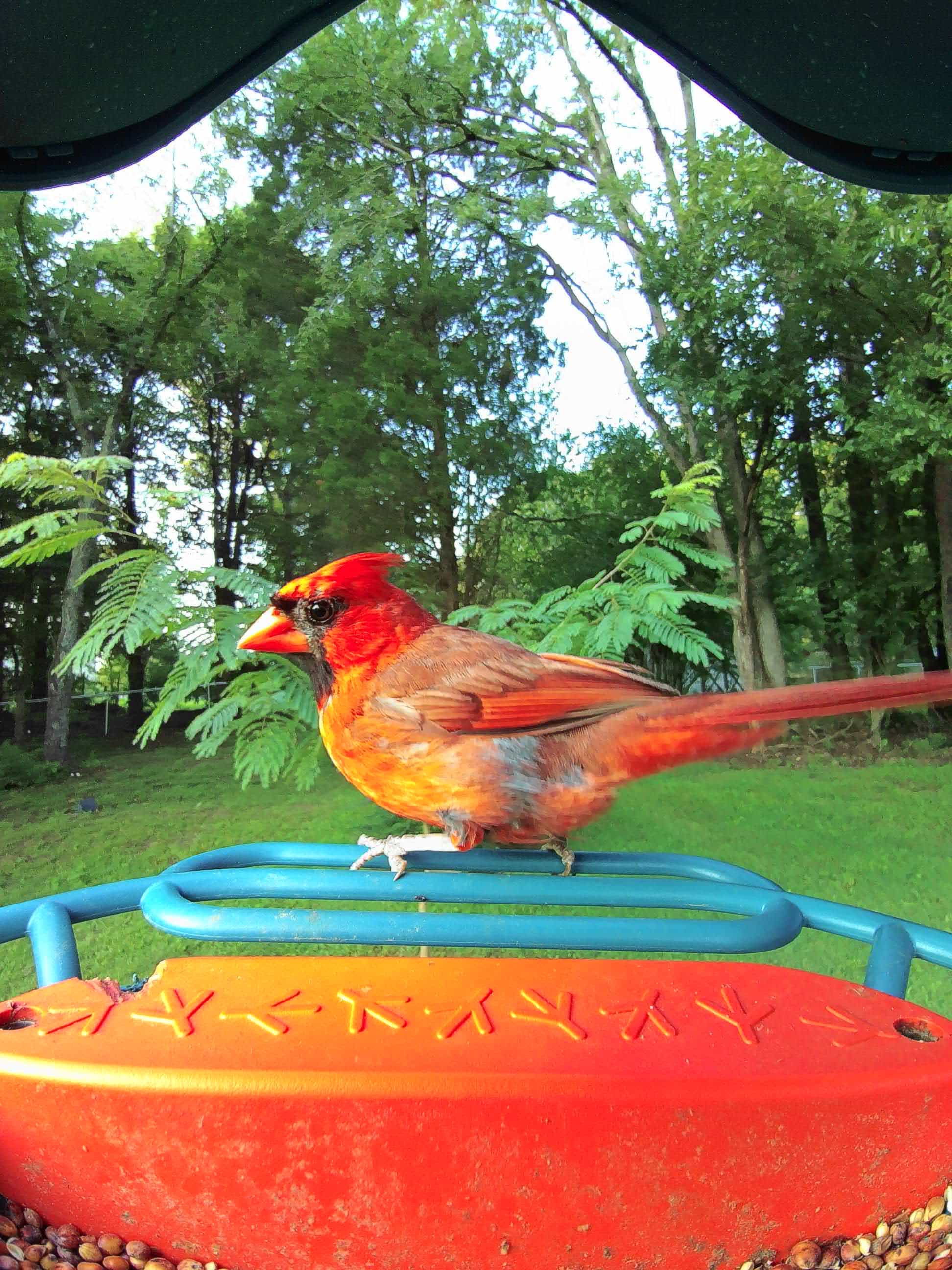
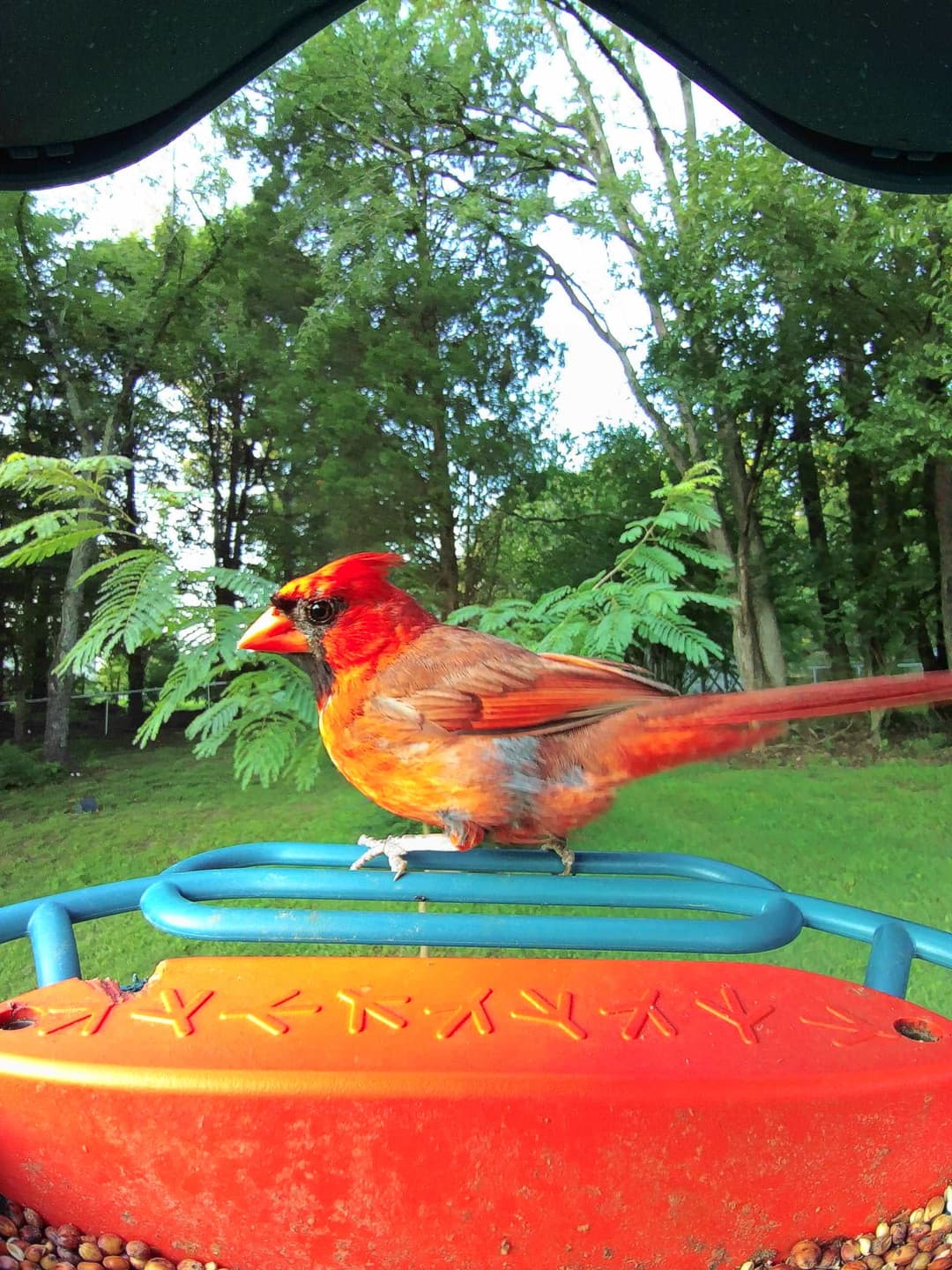
Northern Cardinal (Cardinalis cardinalis): This vibrant songbird is known for its striking red plumage, distinctive crest, and robust bill, commonly found in woodlands, gardens, and shrublands across North America.
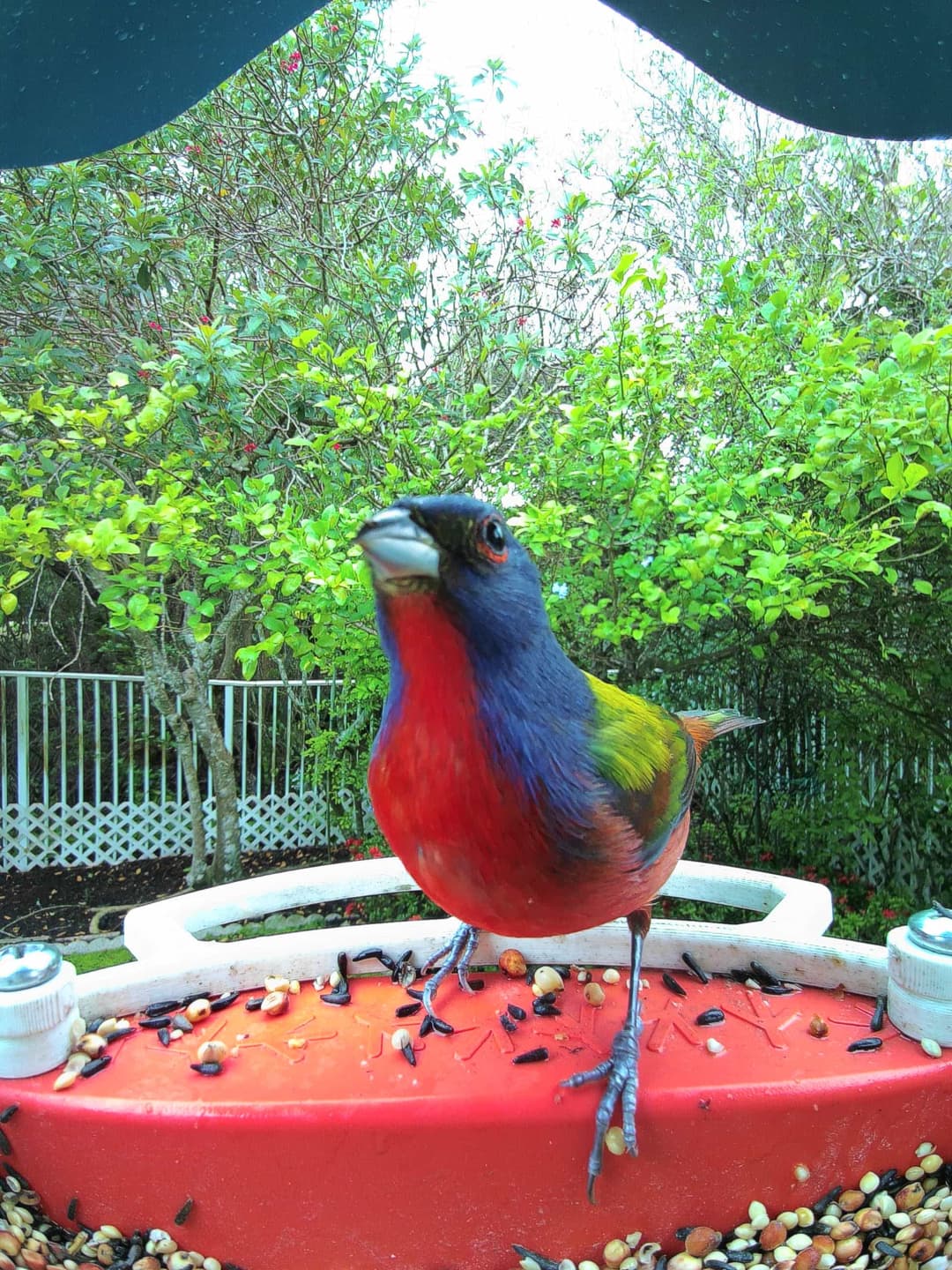
Painted Bunting (Passerina ciris): This small, vividly colored bird, native to North America, is especially known for its striking plumage, with males displaying a remarkable combination of bright blues, greens, and reds.
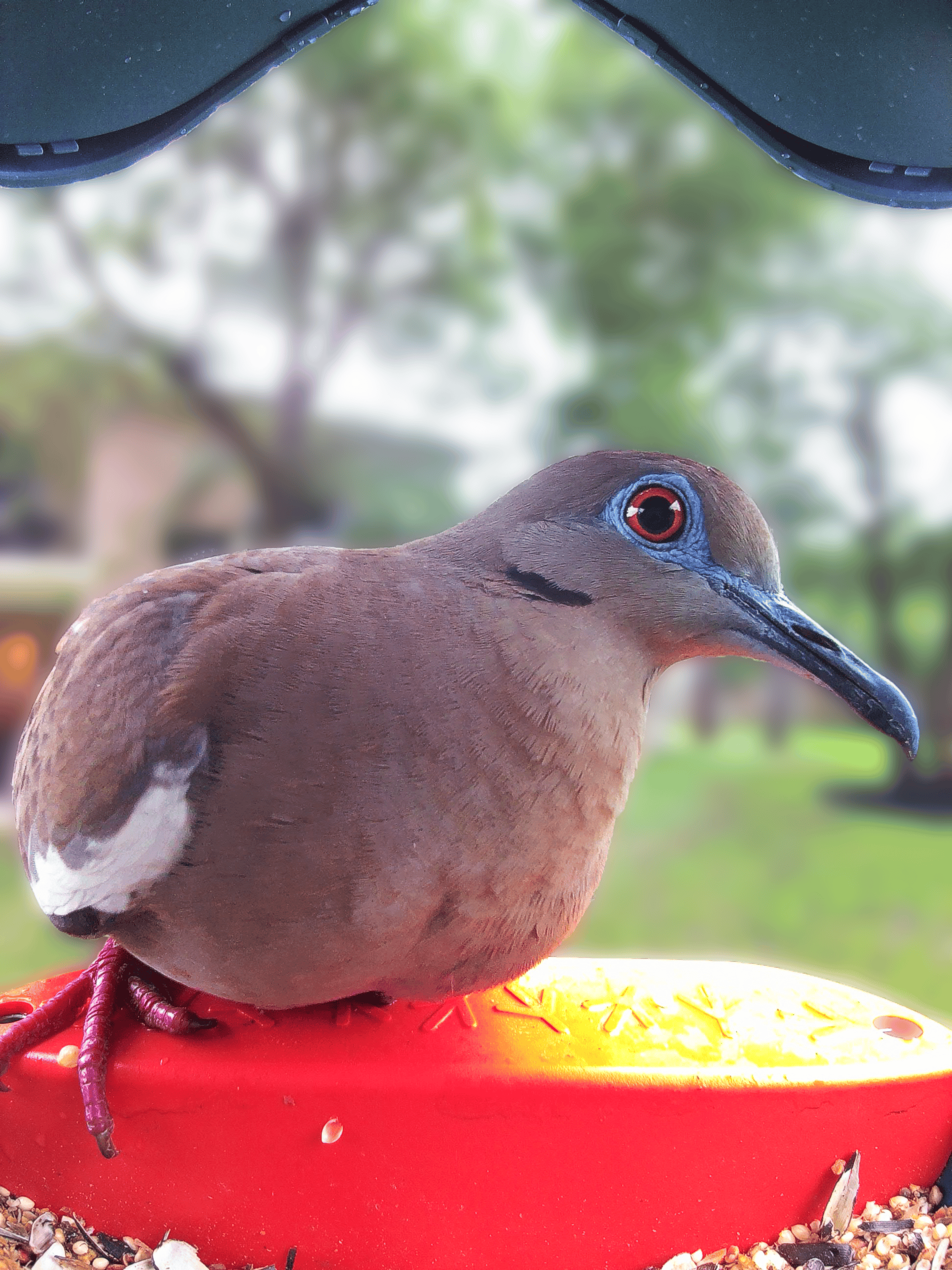
Common Ground-Dove (Columbina passerina): This small, delicate bird is characterized by its soft grayish-brown plumage with subtle pinkish hues, a short, thin black bill, and a distinctive scaled pattern on its neck and chest.
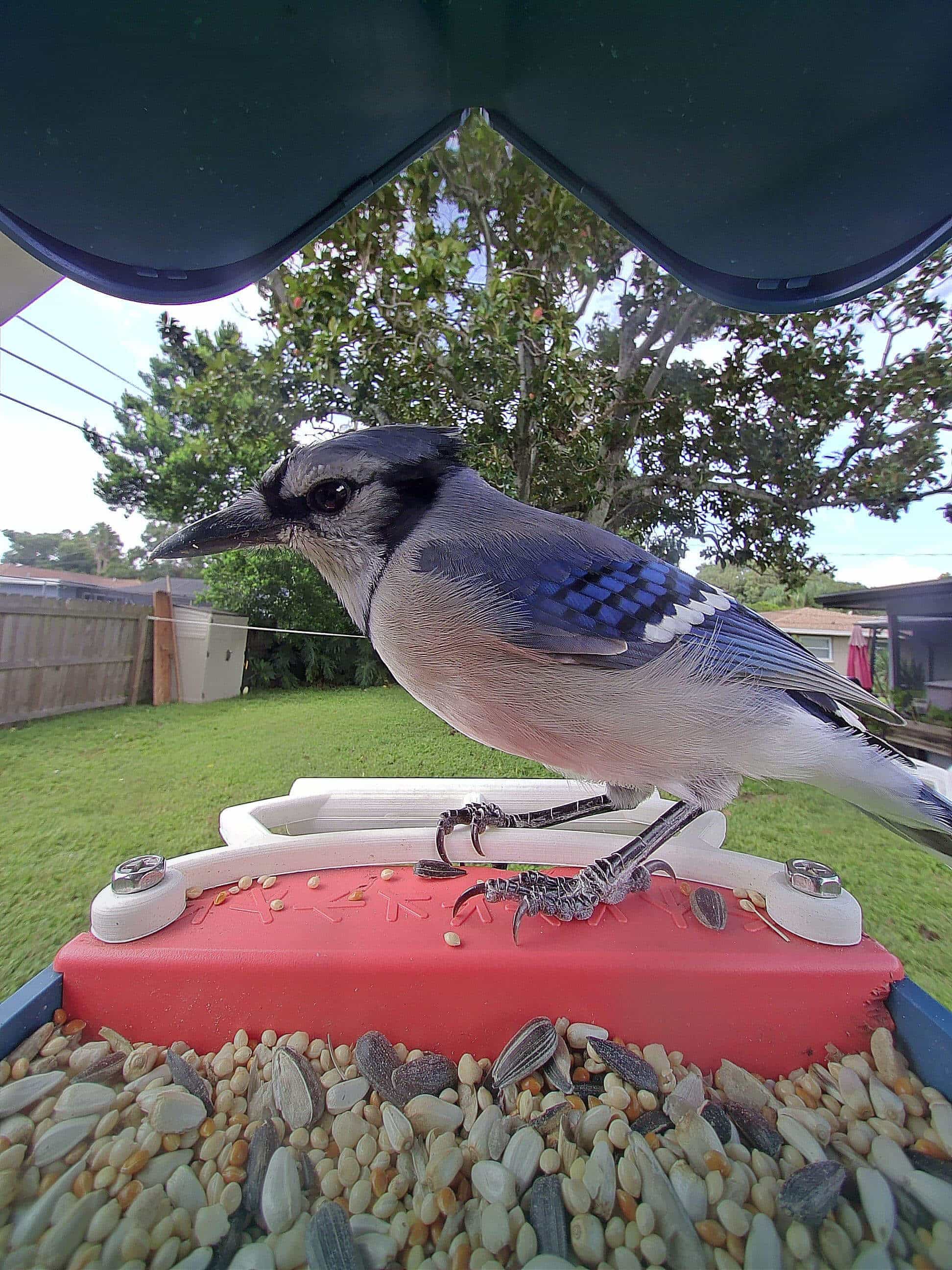
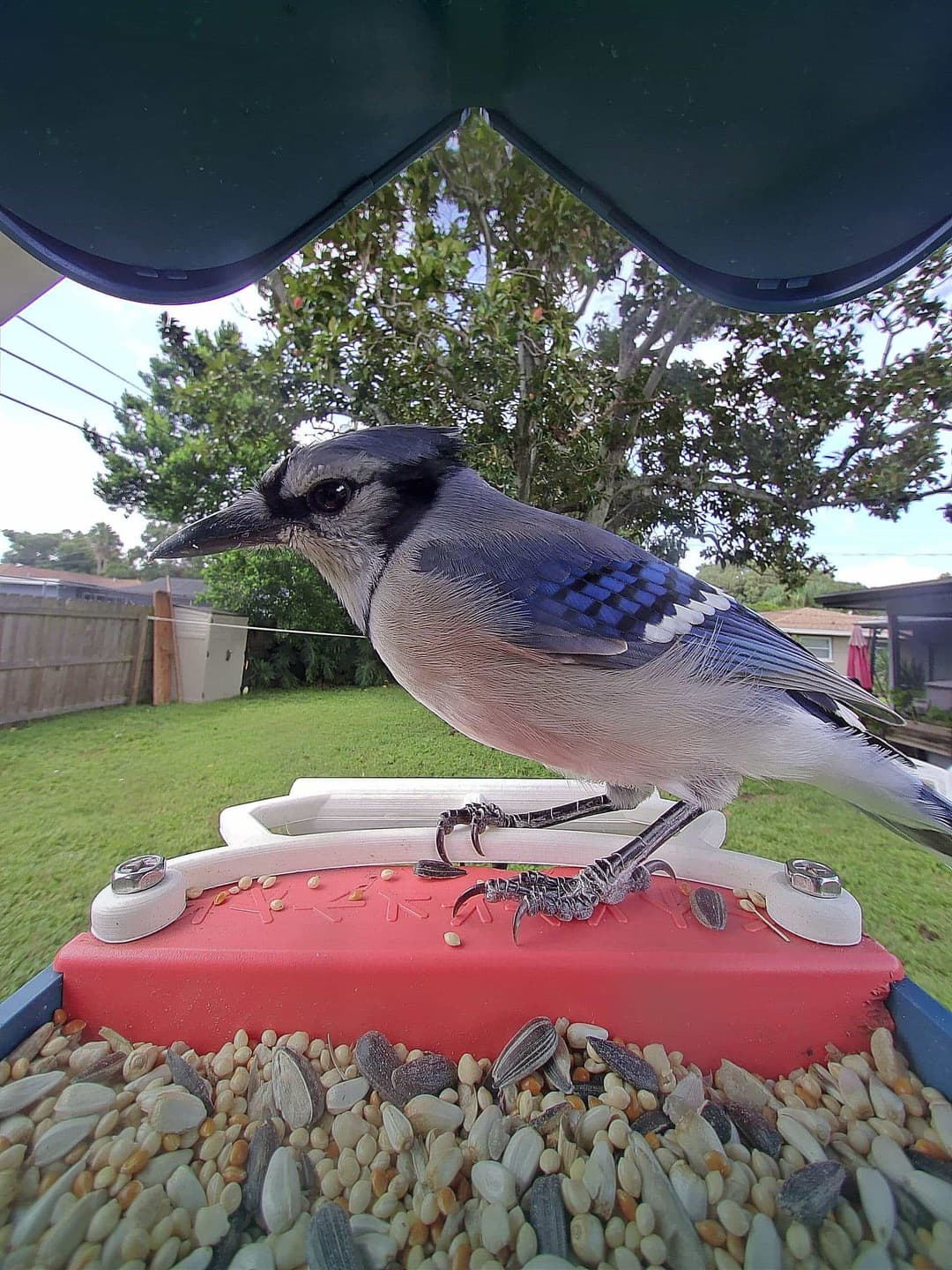
Blue Jay (Cyanocitta cristata): This vibrant bird, easily recognizable by its striking blue plumage, crest, and white chest with black markings, is known for its intelligence, complex social behavior, and a diverse range of vocalizations, including mimicking the calls of other species.
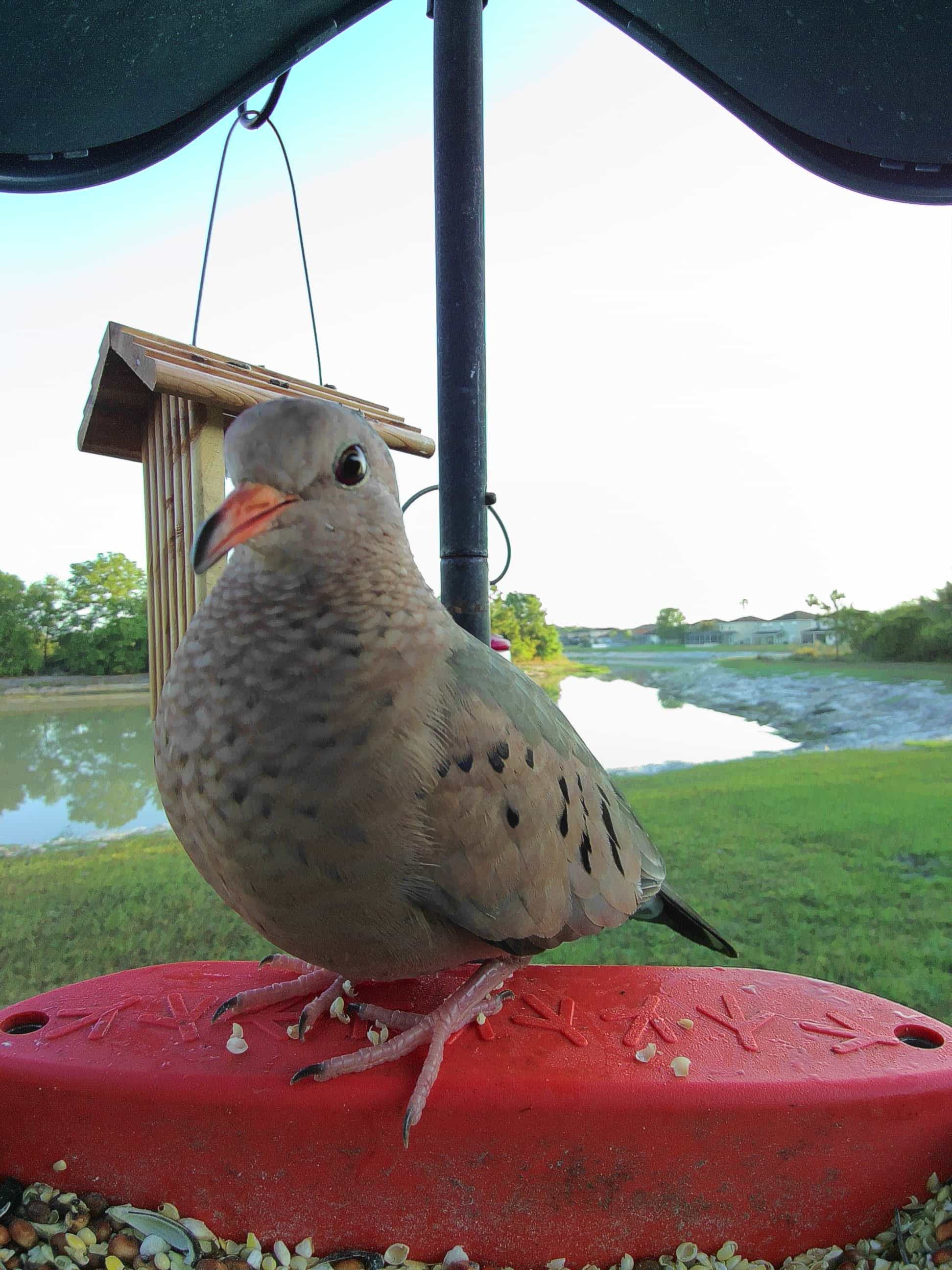
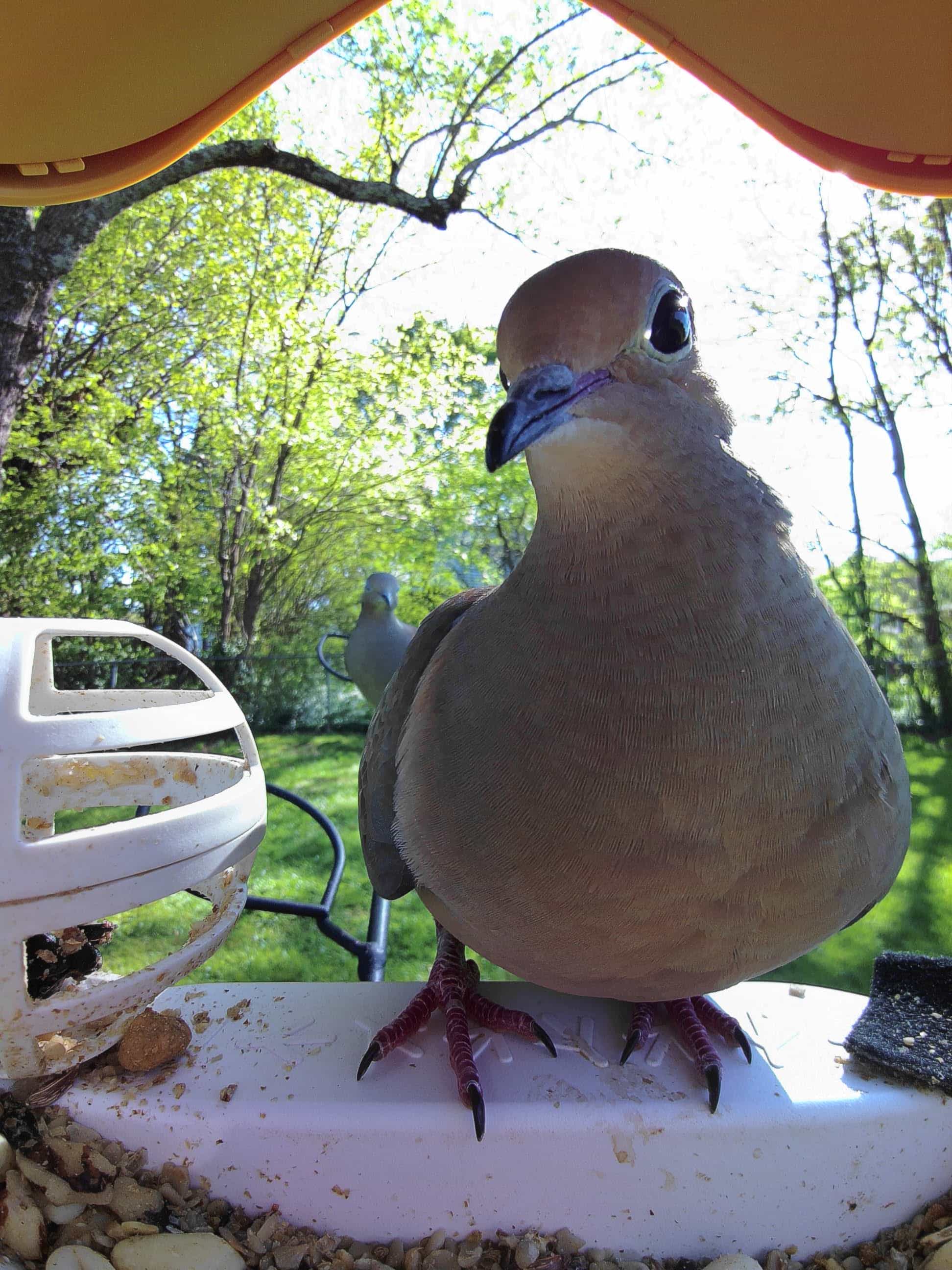
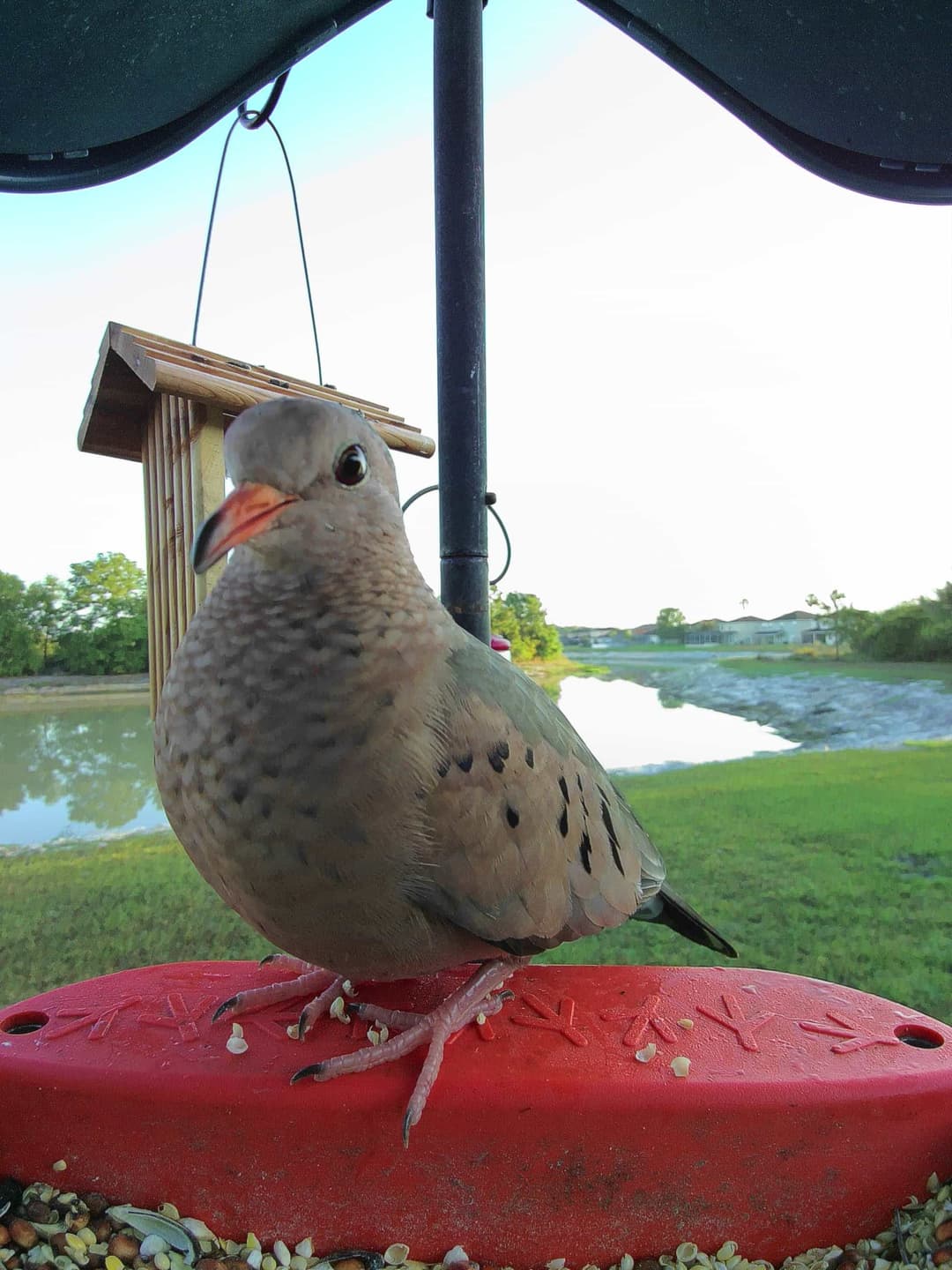
Mourning Dove (Zenaida macroura): This bird is a slender, medium-sized creature with a soft grayish-brown body, long pointed tail with white edges, and distinctive black spots on its wings, often recognized for its gentle, mournful cooing sound.
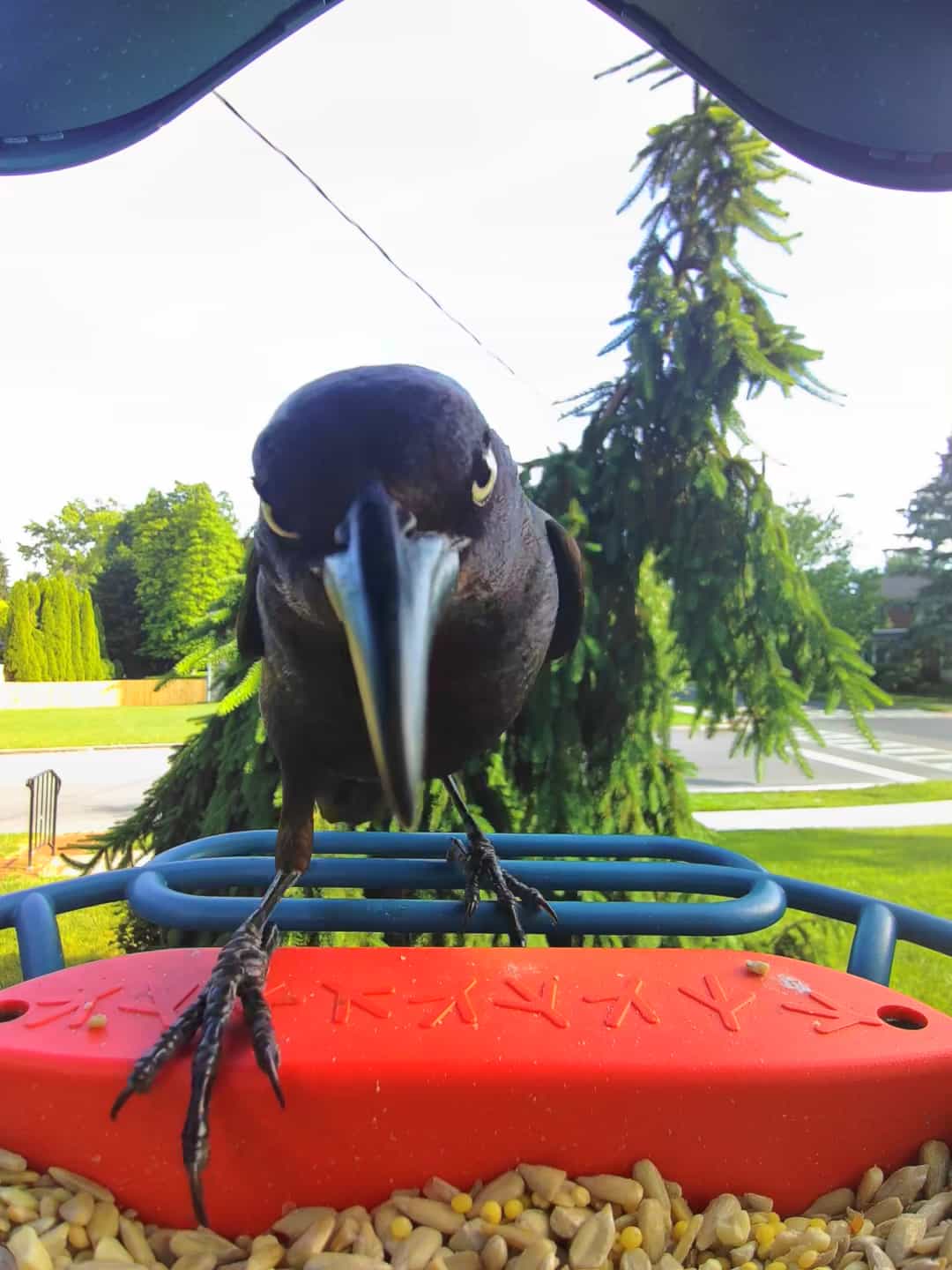
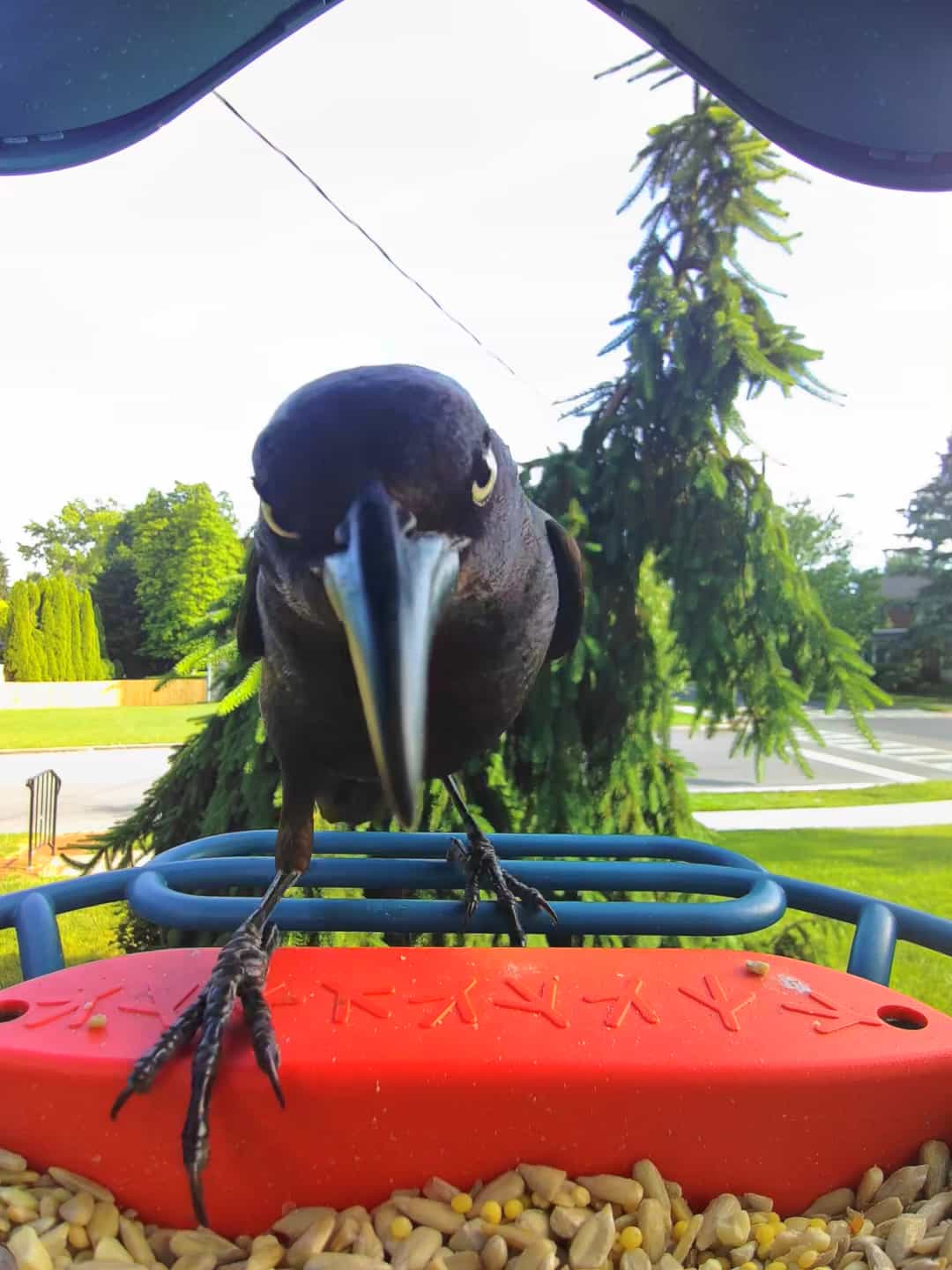
Common Grackle (Quiscalus quiscula): This bird is a large, iridescent blackbird with a long, tapered tail and bright yellow eyes, known for its distinctive, metallic-sounding call and commonly found in open and semi-open areas across North America.

Identifying bird sounds and calls in Merritt Island
Bird sounds are a key way to identify different species, even when they're hidden in trees or bushes. Each bird has its own unique vocalizations, from melodic songs to distinctive calls. Learning these sounds can help you identify birds even before you see them.
Birdwatching hotspots in Merritt Island
Parks, reserves, and observatories
Merritt Island, Florida is home to diverse habitats including saltwater marshes, mangrove swamps, and hardwood hammocks, providing rich environments for bird species.
Merritt Island National Wildlife Refuge: A premier birdwatching spot, home to hundreds of bird species throughout the year.
Canaveral National Seashore: Offers serene beach environments for bird observation, including threatened species.
Ulumay Wildlife Sanctuary: Features a series of man-made islands and canals ideal for spotting wading birds.
Accessibility and facilities
The parks provide ample parking, trails, and viewing platforms for easy access, accommodating birdwatchers of all abilities.
Conservation efforts
Merritt Island, Florida, is dedicated to preserving its unique habitats through various conservation efforts. Some of the efforts include:
- Home to the Merritt Island National Wildlife Refuge.
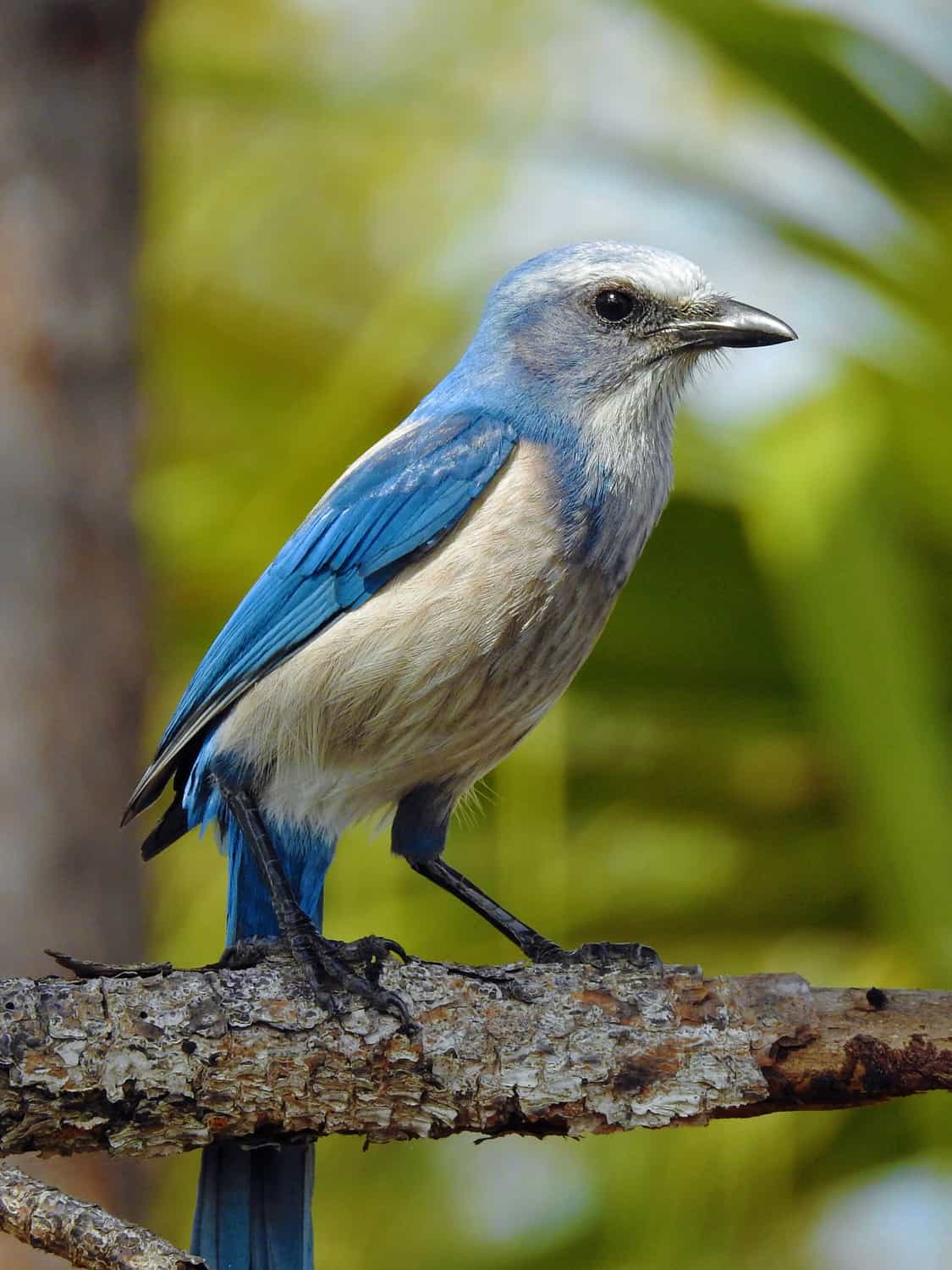
- Efforts focus on protecting endangered species like the Florida scrub jay.
- Initiatives include habitat restoration and invasive species control.
How Can I Help?
- Volunteer for local clean-up events at the refuge.
- Support local conservation organizations financially.
- Participate in citizen science projects and wildlife surveys.
Live bird sightings in the Merritt Island area
Discover what birds are currently active in Merritt Island through real-time sightings from Birdbuddy users. Explore hotspots and track your favorite species with updates from our community network.
Learn more about Birdbuddy