
Yellow-Fronted Canary
Yellow-Fronted Canary
Also known as: Green Singing Finch
Crithagra mozambica
Quick Identification guide
Quick Identification guide
- •
Features a bright yellow forehead and face contrasted by a grayish olive-green back and wings
- •
Displays a stout conical beak, ideal for seed-eating
- •
The belly and breast are a vibrant yellow, providing a stark contrast to its darker wings and back
What does a yellow-fronted canary sound like?
The yellow-fronted canary has a melodious, high-pitched song consisting of whistles, warbles, trills, and chirping notes, often ending in a rapid sequence of notes. Its usual calls are a soft "chee-chee-chee" and a louder "tsooeet". This songbird is prized for its rich, tuneful song, which makes it a popular pet. Itssongss are often interspersed with mimicked sounds from other species or environmental sources.
Description
These tiny songsters are pretty widespread and common birds that like to spend their time flocking with other species! They are known for their pleasant song. When nesting, they don't like to go it alone. After all, having good neighbours can be fun, which is why they nest in colonies.
The yellow-fronted canary can weigh between 8.5to16.2grams and be from11to13centimeters tall.
The yellow-fronted canary typically lives up to 10 years. Their lifespan is comparable to related species such as the greenfinch and goldfinch, which live for around 8-10 years in the wild. Factors that influence their lifespan include diet, predation, diseases, and the quality of their environment.
Did you know?
Most popular questions about yellow-fronted canary
How to recognise a yellow-fronted canary?
General appearance
The Yellow-fronted Canary (Crithagra mozambica) dons a distinctive greenish yellow plumage overall, accented with bright yellow eyebrows, throat, and breast. They measure 13 cm long on average. The beak and legs are a robust medium grey. In the wild, their bold color allows easy identification against drab backgrounds.
Male vs female
Male and female Yellow-fronted Canaries are similar in appearance but do exhibit subtle differences. Males are typically more vibrant in color, possessing a brighter yellow forehead and throat, contrasting the paler hues of females. Also, only males sing, producing a rich, melodious song — a distinguishing trait used in identification during the breeding season.
Juvenile
Juvenile Yellow-fronted Canaries are duller in color than adults, exhibiting greenish brown plumage overall. They lack the yellow accents seen in adults, with this color slowly developing as they mature. Juveniles also have a less robust, finer beak compared to adults. Juvenile plumage undergoes dramatic transformation during the first molt at around 8-10 weeks of age.
Breeding and nesting habits of the yellow-fronted canary
Mating behaviors
The yellow-fronted canary engages in vibrant courtship displays, where the male showcases his plumage and sings complex songs to attract a mate. Pair bonding includes mutual preening and synchronized flights.
Nesting details
Nests are typically built in foliage-rich environments like gardens and savannas. They are cup-shaped and constructed using twigs, grasses, and soft plant fibers. Strategic placement in dense bushes or trees offers protection from predators.
Eggs and chick-rearing
Females lay 2-4 eggs per clutch. Incubation lasts about 12-14 days, primarily by the female. Both parents participate in feeding the chicks, delivering a diet of seeds and insects for optimal growth. Fledging occurs after 15-18 days.
What does a yellow-fronted canary like to eat?
Flowers
Fruits
Insects
Nectar
Plants
Seeds
Natural diet
The yellow-fronted canary primarily feeds on seeds from grasses and other herbaceous plants, as well as small fruits and berries. In the wild, it also consumes insects and other small invertebrates, especially during the breeding season when protein demand is higher.
Bird feeders
At bird feeders, yellow-fronted canaries typically eat a variety of seeds such as millet, sunflower seeds, and canary seed mix. They are also attracted to suet cakes and occasionally enjoy fruit offerings like chopped apples or berries.
Setting up the right environment
Yellow-fronted canaries love a peaceful and safe environment. They are fond of quiet gardens with blooming plants. You can plant a range of colourful flowers in your garden or hang potted plants around your yard to create an inviting environment. In addition, set up bird feeders around the place where canaries can find food easily. Avoid places that are frequented by cats or dogs, as they can scare away the birds.
Choosing the right snacks
As for food, these canaries primarily eat seeds. They are fond of all types of seeds but especially enjoy sunflower and millet seeds. However, we recommend Bird Buddy seeds. Experts select them according to the season to ensure that they provide the canaries with the necessary nutrients. You can also offer them fresh fruits like apples and pears as an occasional treat.
Types of feeders
Yellow-fronted canaries prefer tube or hopper style feeders. These types of feeders allow them to grip the perches and easily reach the seeds. Ensure that the feeder is kept clean at all times, as these birds are very particular about hygiene. It also prevents the spread of diseases.
Encouraging their stay
You can tempt these canaries to stay longer by providing them with fresh water for drinking and bathing. In addition, play soft canary songs in the background to make them feel at home. Following these tips will not only encourage these beautiful yellow-fronted canaries to visit but also to delight you with a melodious sing-along.
Where can you find yellow-fronted canaries?
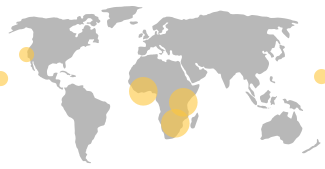
Savannah serenade
Imagine sun-kissed African savannahs, where little yellow-fronted canaries flit amid thorny acacia trees. Rustling in brushwood, they create a symphony with their sweet songs, thriving in the company of sharp sunshine and raw, dry landscapes.
Unexpected suburban escapade
Meanwhile, in suburban neighborhoods from Honolulu to Portugal, our yellow-fronted friends surprise locals with their imported presence. Nestling in fragrant gardens and tree-lined streets, they bring a tropical essence to these unsuspecting locales.
Do they migrate?
The yellow-fronted canary (Crithagra mozambica) primarily exhibits a sedentary lifestyle, meaning it usually stays in one place throughout the year. This bird is native to sub-Saharan Africa and thrives in a variety of habitats, including savannas, open woodlands, and areas with scattered trees, as well as gardens and urban regions. Its range extends from Senegal and Mali eastward to Ethiopia and south to South Africa. While primarily non-migratory, the yellow-fronted canary may undertake local movements in response to seasonal changes in food availability and environmental conditions. These movements are typically short-distance and irregular, rather than systematic migrations. Therefore, there isn't a defined migratory route, timing, or set of key locations that the species follows. Overall, their adaptability to various habitats and consistent availability of resources in their native range reduce the necessity for long-distance migration. This sedentary behavior allows them to remain resident in their preferred habitats, with only minor local dispersal when needed.
What is the role of yellow-fronted canaries in nature and how to protect them?
Conservation status
The yellow-fronted canary is categorized as "Least Concern" by conservation authorities, indicating it is relatively common and not currently at risk of extinction. The species thrives in a variety of habitats, including woodlands and urban areas, which contribute to its stable population. However, habitat destruction and fragmentation pose potential threats. Currently, no significant conservation efforts are specifically directed towards this bird, due to its widespread population. Ongoing monitoring of habitat changes remains essential to ensure its continued stability.
Ecological role of yellow-fronted canaries
Its role in the ecosystem
The Yellow-fronted Canary, scientifically known as Crithagra mozambica, plays a significant role in the ecosystem due to its diet of seeds, fruits and insects. Its insect-eating habits help in natural pest control, as the canary reduces the number of insects damaging plants and crops. Its seed-eating behavior also contributes to seed dispersal, as the bird carries seeds in its beak to different areas or excretes undigested seeds, aiding in the propagation and distribution of plant species. Whilst not well-studied, it is likely that the Yellow-fronted Canary could have a role in pollination as it feeds on certain types of flowers. Hence, the Yellow-fronted Canary represents an integral part of the food chain, and it contributes to biodiversity by helping to control pests, disperse seeds, and potentially pollinate plants.
How to help protect yellow-fronted canaries
Preservation tips
Habitat preservation strategies
Support the conservation of the yellow-fronted canary by preserving its natural habitat. Encourage responsible land use, focusing on sustaining existing forests and maintaining grasslands. Avoid pesticide use that can harm these birds and their food sources. Participate in reforestation projects to curb habitat loss.
Community science initiatives
Join community science projects aimed at tracking and studying the yellow-fronted canary. Provide regular bird count data to local conservation bodies, helping monitor species numbers and trends. Educate others about the importance of biodiversity and bird conservation. Advocate for the protection of bird species and their habitats at local and national levels.