
Whinchat
Whinchat
Saxicola rubetra
Quick Identification guide
Quick Identification guide
- •
Features a distinctive white eyebrow stripe above its eye, contrasting with its dark brown cheek
- •
Exhibits a rufous orange breast with a paler lower belly
- •
Possesses a stout bill and a short tail with a white patch visible in flight
What does a whinchat sound like?
The Whinchat (Saxicola rubetra) exhibits a variety of vocalizations, characterized by its distinct calls and songs. Its typical call is a sharp, often repeated "wheesht" or "whee-chak" sound, which functions as a contact call or an alarm. The song, performed mainly by males, is a melodious and complex series of short, varied phrases that include whistles, chatters, and mimicry of other bird species. Whinchats sing from prominent perches, combining both their own unique sounds with imitations, creating a diverse and captivating acoustic display within their breeding territories.
Description
You’lll more often see a whinchat hop and run rather than fly. No biggie, whatever works! These little guys are wonderful singers and great mimics, too. To add a little variety to their set list, they are adept at skilfully sprinkling in the calls of at least 12 other birds.
The whinchat can weigh between 13to19grams and be from11to13centimeters tall.
The Whinchat typically lives up to 5 years in the wild. This lifespan is relatively short compared to some related species. For instance, the longer-lived Northern Wheatear can reach up to 9 years. Like many small passerines, Whinchats face high mortality rates due to predation and environmental challenges, which contribute to their shorter lifespan. Reproductive strategies, such as producing multiple offspring per breeding season, help mitigate these challenges. Understanding the lifespan of the Whinchat aids in conservation efforts, particularly as they face habitat loss and climate change.
Did you know?
Most popular questions about whinchat
How to recognise a whinchat?
General appearance
The Whinchat is a small passerine bird that exhibits striking features. It has a distinctive white stripe above its eye, known as a supercilium, which contrasts with its blackish face. Both males and females possess an orange throat and upper chest, with the intensity varying. Their back is brown-streaked, offering excellent camouflage amidst grassland and shrubs. The wings are dark with white patches visible during flight, and the tail is short with a dark center and white sides. During the breeding season, the plumage is more vibrant, whereas, in the non-breeding season, the colors may be duller.
Male vs female
Male Whinchats are more vividly colored compared to females. The males showcase a richer orange on their throat and chest during the breeding season, while females have a more muted tone with less contrast. However, both sexes share similar overall markings, making them difficult to distinguish from a distance when not in breeding plumage. The difference is most noticeable in the brighter supercilium and throat patch of the males.
Juvenile
Juvenile Whinchats initially lack the distinct contrasting features of adults. Their plumage presents a more uniform brown with less pronounced streaking, and the supercilium stripe is paler. As they mature, the distinct adult markings, such as the dark eye stripes and orange-breast, gradually develop. Juveniles also have a more spotted appearance on their underparts compared to the clearly defined chest patch seen in adults.
Breeding and nesting habits of the whinchat
Mating Behaviors
Whinchats are known for a variety of fascinating courtship displays that include both vocal and visual elements. Males begin their courtship by singing from prominent perches to attract females. They often demonstrate aerial acrobatics, including hovering and short flight dives, to captivate potential mates. Typically, these birds are monogamous, forming pairs that last for a breeding season, though variations can occur based on environmental factors.
Nesting Details
Whinchats prefer open grasslands and are often found nesting in fields, meadows, or low shrubs. Nests are typically constructed on or near the ground and may be tucked under tufts of grass for protection. The materials consist mainly of grasses, stems, and moss, providing a well-camouflaged site for breeding. Those interested in attracting Whinchats to gardens should ensure ample open space with native plants, avoid excessive lawn trimming, and maintain an abundance of insects to support feeding.
Eggs and Chick-Rearing
The Whinchat lays between four to seven eggs per clutch, with an incubation period spanning around 12 to 14 days. Both parents involve themselves in feeding their young, supplying them with an abundant diet of insects. Chicks fledge approximately 12 days post-hatching, although parents continue to provide care and protection after they leave the nest, helping them adapt to hunting and evading potential predators.
What does a whinchat like to eat?
Fruits
Insects
Seeds
Natural diet
The Whinchat primarily consumes a diet rich in insects, making it an insectivorous bird. Beetles, caterpillars, and small grasshoppers form a significant portion of their diet during the warmer months. They are known to forage on the ground or in low vegetation, using their keen eyesight to spot potential prey. As autumn approaches, when insects become less abundant, Whinchats shift their diet to include more plant-based foods such as berries and seeds. This seasonal dietary adjustment allows them to compensate for the reduced availability of their preferred insect prey.
Bird feeders
At bird feeders, Whinchats can be attracted with a variety of food offerings. They are likely to appreciate seed mixes that include small seeds such as millet and canary seed. Insect suet blocks or cakes can also catch their interest, offering a nutritious substitute similar to their natural insect diet. Placing fruits like raisins or currants can entice these birds, especially during times when their natural food sources are scarce. It is advisable to position feeders in open areas where Whinchats feel safe and can quickly swoop down to feed, as they tend to avoid densely populated feeder settings.
Find the right feeder for whinchat
Choosing a feeder for the whinchat requires opting for an open or platform-type feeder. These birds prefer open perching spaces which resemble their natural habitat. Ensure your feeder has easy landing spots, while minimizing too much shelter which could deter them by obstructing their view of any potential threats.
Whinchat's cuisine: meals they'll love
Whinchats are insectivores and favor foods high in protein and moisture. Fill your feeder with Bird Buddy's specialized insect-rich seed mixes, supplemented with mealworms and fruit bits. These mimic their natural diet and will increase the chances of attracting them to your backyard.
Optimal feeder placement and height for whinchats
Position your feeder 4-6 feet off the ground in semi-open spaces with nearby shrubs or small trees. Whinchats thrive in open spaces, so mimic this environment in your backyard. They enjoy perching on elevated spots where they can survey the area and feel secure before foraging.
Seasonal routines for welcoming whinchats
Whinchats migrate and are transient visitors in many regions. Enhance your chances of attracting them during their migratory season by keeping your feeder stocked and clean during late spring and early autumn. Observing seasonal patterns will help you align your feeding routine with their peak visitation periods.
Create a welcoming habitat for whinchats
Enhance your garden's appeal by adding a shallow birdbath for water, herby sections for insects, and planting berry bushes. Proximity to multi-stemmed shrubs or small bushes can create a haven that resembles their natural habitat. These enhancements provide food, water, shelter, and attractivity to other insects that whinchats enjoy.
Where can you find whinchats?
Primary habitat
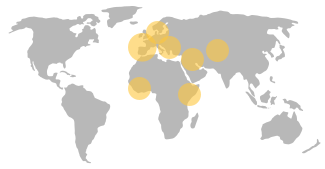
Whinchats predominantly inhabit open grasslands, heathlands, and meadows across Europe and western Asia. They prefer areas with scattered bushes and shrubs for perching. Their typical range extends from the British Isles to the Ural Mountains, thriving in temperate climates with sufficient cover and food resources.
Additional range
Apart from their primary habitats, whinchats are also found in agricultural fields and fallow lands during breeding seasons. They display adaptability by occupying unexpected environments like urban outskirts and parkland edges, adapting to minor anthropogenic changes. The ability to exploit a range of open habitats is crucial to their survival.
Do they migrate?
The Whinchat (Saxicola rubetra) is a migratory bird. It breeds in Europe and parts of western Asia and migrates to sub-Saharan Africa for the winter. The migration typically begins in late summer or early autumn, around August and September, when Whinchats leave their breeding grounds. During migration, they travel across Western Europe, passing through countries like France and Spain, and often cross the Mediterranean Sea. Key stopover sites include open grasslands, farmlands, and shrubby areas where they can rest and refuel. Upon reaching Africa, Whinchats spread out across various countries, including Nigeria, Cameroon, and as far south as Angola and Zambia. In the spring, around April and early May, they make the return journey to their breeding sites. Whinchats rely on visual landmarks and favorable winds during this migration. The timing of migration can be influenced by weather and food availability, with some variability in routes and stopover durations annually. Thus, the Whinchat demonstrates significant adaptability during its migratory journey.
What is the role of whinchats in nature and how to protect them?
Conservation status
The Whinchat is currently classified as a species of Least Concern, indicating that it is relatively common globally. However, its population has been declining, particularly in Europe, due to habitat loss, agricultural intensification, and climate change. Key conservation efforts focus on preserving and restoring grassland habitats, as well as promoting sustainable agricultural practices. Despite not being vulnerable or endangered, monitoring is crucial to prevent further decline. Significant threats include loss of breeding and wintering habitats and changes in land use patterns that reduce the availability of insects, an essential food source.
Ecological role of whinchats
Its role in the ecosystem
The Whinchat (Saxicola rubetra) plays a crucial role in maintaining ecological balance within its habitat. As an insectivorous bird, it significantly aids in pest control by consuming a considerable number of insects and small invertebrates. This not only helps in reducing pest populations but also contributes to the health of crops and reduces the need for chemical pesticides. Although not primarily a seed disperser, the Whinchat may inadvertently assist in seed dispersal during foraging activities when seeds cling to their plumage or are expelled after consuming fruits. While the species is not directly involved in pollination, its presence supports the overall biodiversity necessary for a healthy pollination network by maintaining insect populations. The bird also contributes to the nutrient cycle by excreting waste that enriches the soil, facilitating nutrient recycling and promoting plant growth. Interactions with other species, such as providing prey for predators, further underscore its ecological importance. In summary, the Whinchat contributes to its ecosystem by regulating insect populations, supporting biodiversity, enhancing soil fertility, and fulfilling roles within the food web, underscoring its significance in ecosystem balance and health.
How to help protect whinchats
Preservation tips
Habitat preservation strategies
To support Whinchat conservation, focus on protecting and restoring their natural habitats such as grasslands and meadows. Engage with local conservation organizations that work on land preservation projects, securing funding for large habitats essential for breeding and migration. Participate in lobbying efforts to influence policy makers to impose stricter regulations against habitat destruction and encourage sustainable agricultural practices. Consider contributing to land protection initiatives that aim to safeguard critical areas from development and agricultural encroachment.
Community science initiatives
Community involvement is key to monitoring and supporting Whinchat populations. Join bird monitoring groups or citizen science platforms that track Whinchat sightings to gather crucial data for conservation research. Organize or participate in local awareness campaigns that educate the public about the species and its ecological significance, amplifying efforts during migration periods. Volunteering in conservation-driven surveys or projects in your area can provide essential support to ongoing research and raise the profile of Whinchats within local communities. Engaging schools and youth groups in bird watching activities can also inspire future conservationists.