
Red Avadavat
Red Avadavat
Also known as: Red Munia, Strawberry Finch
Amandava amandava
Quick Identification guide
Quick Identification guide
- •
The brilliant red plumage of the male during breeding season is striking, contrasted by tiny white spots
- •
Features a short, conical red beak that is distinctive and perfectly suited for seed eating
- •
Exhibits a sleek, streamlined body with a relatively short tail and rounded wings
What does a red avadavat sound like?
The Red Avadavat, also known as the Strawberry Finch, possesses vocalizations that are a blend of soft, sweet, high-pitched melodies and calls. Male birds are especially vocal during the breeding season, singing melodies comprised of trills, chirps, and whistles. Females' calls are simpler, mainly consisting of 'pik' notes. The songs often vary but involve repeated phrases, each phrase typically comprised of three notes.
Description
The red avadavat looks like a sparrow dipped in red dye! Not all the time, though – males lose their strawberry hues during non-breeding season. Sadly, their funky plumage means they used to be and still are popular cage birds. They're affectionate birds and members of a flock often preen each other. Their breeding season is smack in the middle of monsoon season. Talk about singing in the rain, right?
The red avadavat can weigh between 7to9.5grams and be from9.5to10centimeters tall.
The red avadavat, a species of estrildid finch, typically has a lifespan of 5-8 years. Compared to other finch species, such as the zebra finch that can live up to 5 years and the diamond firetail that lives up to 7 years, it has a moderately long life. All their lifespans can significantly vary based on conditions including diet, stress, and captivity.
Did you know?
Most popular questions about red avadavat
How to recognise a red avadavat?
General appearance
Red avadavats, also known as strawberry finches, are small, strikingly colored birds. They have a stout conical bill and a short, square tail. Adults typically have crimson colored body feathers, with white spots sprinkled across the plumage. Seasonal variations exist where the bird molts to a dull brown color during non-breeding season.
Male vs female
Males and females have distinct differences in coloration. Males are primarily red with white spots whereas females are less vibrant with more brownish colors mixed with red tints. The male’s gorgeous red coloration is used to attract females during the breeding season. In non-breeding season, the males take on a more subdued appearance similar to females.
Juvenile
Juvenile red avadavats have a duller coloration than adults, being primarily brown with dark streaks. They lack the vibrant red seen in adults and are nearly indistinguishable by sex until after their first molt, when males will begin to display more red coloration.
Breeding and nesting habits of the red avadavat
Mating behaviors
The red avadavat engages in dynamic courtship displays, with males showcasing vibrant plumage and energetic dances to attract females. Singing and aerial chases are common behaviors observed during the mating season.
Nesting details
Red avadavats build spherical grass nests on the ground or low shrubs. They use materials like grass blades, feathers, and soft plant fibers. These birds often nest in dense vegetation near water bodies or even in gardens with adequate cover.
Eggs and chick-rearing
Females typically lay 4-6 white eggs, incubated by both parents for about 11 days. Both parents participate in feeding the chicks, which fledge in approximately 3 weeks. Creating garden habitats involves providing dense shrubbery and grass patches to mimic their natural nesting environment.
What does a red avadavat like to eat?
Insects
Seeds
Natural diet
The red avadavat primarily feeds on a variety of seeds found in grasslands and fields. Its natural diet includes the seeds of grasses such as millet and rice. It also consumes small insects and larvae, which provide essential protein, especially during the breeding season.
Bird feeders
At bird feeders, the red avadavat is attracted to offerings that mimic its natural diet. Common foods include millet, canary seed, and finely chopped fruits. They may also consume small mealworms or other live food if available, catering to their insectivorous tendencies.
Selecting the correct feeder
Red avadavats are small finches that appreciate smaller grain seeds. They are best attracted using a tube or house-type feeder as they often feed in flocks and these types of feeders allow multiple birds to feast at the same time. Bird Buddy feeders also make an excellent choice because they help keep the seeds fresh and dry.
Choosing the right seeds
One of the best ways to attract the red avadavat is to use seeds they love. Bird Buddy seeds, known for their high quality, are a great option. These seeds are specifically chosen by experts for various seasons, ensuring the nutritional needs of the birds are met. Red avadavats especially love millet, which is often included in Bird Buddy's mixes.
Establishing a friendly environment
Red avadavats are known to love the sound of flowing water. Adding a small birdbath or fountain nearby your feeding area can added attraction. Providing safe and secure places for them to nest close to the feeding area can also encourage them to stay longer.
Playing bird songs
Try softly playing recordings of avadavat songs. The sound might spark their curiosity and draw them into your yard.
Where can you find red avadavats?
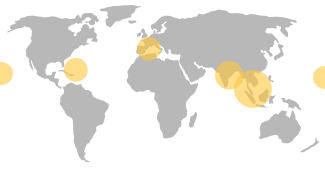
Primary habitat
The red avadavat primarily inhabits the fields, grasslands, and marshes of South and Southeast Asia.
Additional range
Moreover, it can adapt to unexpected environments such as cultivated areas and urban parks. Preferred climate is tropical to subtropical.
Do they migrate?
The red avadavat, also known as the strawberry finch, is largely a sedentary bird, meaning it typically does not migrate long distances. This species is native to the Indian subcontinent and Southeast Asia, inhabiting open grasslands, fields, and areas with tall grasses and reeds. While they do not undertake significant migratory movements, they may exhibit local dispersal in response to seasonal changes in habitat conditions, such as the monsoon season. During the wet season, red avadavats may relocate to regions with ample water and food resources, like rice paddies and wetlands, to capitalize on the abundance of insects and seeds. In the dry season, they might shift to areas where water and food are still available. However, these movements are relatively limited and localized, lacking the long-distance migration patterns typical of other bird species. Overall, while the red avadavat remains primarily resident throughout its range, it may display minor shifts in location influenced by environmental conditions and resource availability.
What is the role of red avadavats in nature and how to protect them?
Conservation status
The red avadavat is classified as "Least Concern" on the IUCN Red List, indicating that it is common and not currently at risk of extinction. This bird species thrives in a variety of habitats, including grasslands and cultivated areas. Despite its stable status, habitat loss and capture for the pet trade pose potential threats. Conservation efforts focus on monitoring populations and safeguarding habitats to ensure long-term stability. While not endangered, continuous observation is crucial to prevent any future decline that may affect its status.
Ecological role of red avadavats
Its role in the ecosystem
The Red Avadavat, also known as the Red Munia, is a bird species that play important roles in their ecosystem. Their diet consists predominantly of seeds which makes them effective dispersers of plant species. By eating seeds and then excreting them in different locations, red avadavats contribute to plant diversity and distribution. This directly impacts plant regeneration and ultimately, the overall health of the habitat. Moreover, these birds also create a balance in the ecosystem through pest control. They prey on various insects, thus regulating pest populations and preventing infestations that can devastate plant life. Not only does the red avadavat contribute to the vitality of their habitats, they are also bioindicators of the health of an ecosystem. Monitoring their populations can give us valuable insights into habitat quality and environmental change. Thus, their ecological significance extends from contributing to seed dispersal and pest control to potentially serving as indicators of ecological health.
How to help protect red avadavats
Preservation tips
Habitat preservation strategies
To support the conservation of the red avadavat, key preservation strategies should be implemented. This may include employing adaptive management to protect and restore key habitats, restricting land-use practices that lead to habitat degradation, and establishing protective areas that prevent destruction of natural habitats. Ensuring these habitats are maintained is crucial in preserving the rich resources needed by the red avadavat for survival.
Community science initiatives
Community science initiatives also play a pivotal role in supporting red avadavat conservation. Encourage local communities and schools to participate in bird monitoring programs and to report any red avadavat observations. This promotes public consciousness about the red avadavat's conservation status. Additionally, educate the public about the importance of not buying these birds as pets to cut down on illegal wildlife trade.