
Pied Crow
Pied Crow
Corvus albus
Quick Identification guide
Quick Identification guide
- •
The Pied Crow features a striking black head, neck, and upper breast contrasted sharply by a brilliant white chest and nape.
- •
It possesses a sleek, strong black bill, and its eyes present a dark, piercing appearance.
- •
Displays a glossy black plumage on the back and wings, completing its bold two-tone look.
What does a pied crow sound like?
The Pied Crow (Corvus albus) is known for its distinctive and varied vocalizations. Its typical calls include a harsh "ar-ar-ar" reminiscent of other crow species. It also emits a variety of croaks, caws, and rattles, which can be used for communication with other crows or as warnings of predators. The Pied Crow often engages in mimicry, incorporating sounds from its environment into its repertoire. Its vocalizations are generally loud and carry well over distances, serving both social interactions and territorial displays. Despite lacking a true "song," its vocal complexity contributes to its adaptability and social structure.
Description
Where there is a slaughterhouse, there are bound to be pied crows. They are Africa's most widespread corvids, and they are nothing if not problem-solvers. They travel about in pairs or small groups, and are not much favoured by the Maasai people: they aren't considered bad luck, just annoying!
The pied crow can weigh between 400to700grams and be from44to46centimeters tall.
The typical lifespan of a Pied Crow is around 15-20 years in the wild, though they can live longer in captivity. Comparatively, other crow species such as the American Crow have a similar lifespan, ranging from 7-8 years in the wild, but potentially up to 20-30 years in captivity. The Carrion Crow also shares a similar lifespan, averaging 4-7 years in the wild but longer in protected environments. Hence, while the Pied Crow's lifespan is typical for crows, individual longevity can increase significantly with quality care in captivity.
Did you know?
Most popular questions about pied crow
How to recognise a pied crow?
General appearance
The Pied Crow is a medium-sized bird characterized by its striking black and white plumage. It has glossy black feathers covering its head, throat, upper body, wings, and tail. The contrasting white feathers span across its lower neck and chest, making it easily identifiable. The beak is strong, slightly curved, and black, while its legs and feet also share this characteristic black coloration. The eyes are dark, complementing the overall strong and vibrant appearance.
Male vs female
The Pied Crow exhibits minimal sexual dimorphism, meaning males and females have very similar appearances, making it difficult to distinguish between sexes based solely on physical appearance. Both genders have the same striking black and white plumage and similar sizes, so identifying a Pied Crow's sex typically requires close observation of behaviors rather than physical traits.
Juvenile
Juvenile Pied Crows often have a duller appearance compared to adults. Their feathers can appear less glossy and more muted, with the white areas often showing a brownish tinge. Over time, as they mature, the plumages develop into the bright contrasting black and white seen in adult birds. Juveniles have darker eyes than the adults, which may aid in distinguishing their age in the field.
Breeding and nesting habits of the pied crow
Mating Behaviors
The Pied Crow engages in a series of courtship displays that involve aerial acrobatics and vocalizations to attract a mate. Social creatures, these crows are often seen in pairs or small groups during the breeding season, which typically occurs once annually. They exhibit monogamous breeding patterns, forming long-lasting bonds with their chosen partners.
Nesting Details
Pied Crows prefer to build their nests in high places such as tall trees, utility poles, or large abandoned structures, selecting locations that offer both security and a good vantage point. They use a variety of materials, such as twigs, leaves, animal fur, and man-made objects, to construct a large, cup-shaped nest. In some regions, they are known to nest in gardens, provided there are tall trees or similar structures available. To encourage nesting in gardens, homeowners can plant tall trees or place sturdy platforms that mimic natural nesting sites.
Eggs and Chick-rearing
A typical Pied Crow clutch consists of 3 to 5 eggs, which are incubated predominantly by the female for about 18 to 19 days. Both parents engage in feeding and nurturing the chicks once hatched. The chicks fledge around 45 days after hatching, although they continue to depend on their parents for food and protection for several more weeks as they develop their foraging and flying skills.
What does a pied crow like to eat?
Bird eggs
Carrion
Fruits
Insects
Plants
Scraps
Seeds
Small animals
Snails
Spiders
Natural Diet
The Pied Crow is a highly adaptable bird with a diverse diet in the wild. It primarily feeds on a dynamic range of foods, which include insects, small rodents, eggs, and even small reptiles. The bird is omnivorous, so fruits and seeds complement its diet alongside meat and carrion. It frequently scavenges at rubbish dumps and near human habitation. Seasonal availability can influence its diet; during the wet season, the abundance of insects means they become a significant food source. In contrast, during leaner months, Pied Crows may focus more on whatever is opportunistically available, often raiding nests for eggs or young birds.
Bird Feeders
At bird feeders, the Pied Crow is not particularly picky and will consume various available foods. It is known to enjoy seed mixes that contain shelled peanuts, sunflower seeds, and maize. Crows are also attracted to suet, which provides essential fats, especially during colder times. Offering fruits like apples or pears can also attract them. While they are frequent visitors to bird tables, providing larger morsels like peanuts rather than small seeds is advisable, as they tend to suit their dietary habits better. Nevertheless, directing feeding habits towards more substantial treats aligns well with the Pied Crow's natural preference for larger food types.
Attract pied crows with sturdy platform feeders
Pied Crows prefer platform feeders because they offer enough space for them to land and perch comfortably. Use a feeder made of durable materials like metal or thick wood to withstand their weight and pecking. A platform feeder also allows you to spread out different types of food, catering to their diverse diet and encouraging their natural behavior of scavenging.
Provide pied crow's favorite snacks
Pied Crows enjoy a varied diet that includes fruits, nuts, and meat scraps. Offer Bird Buddy seeds at your feeder, alongside peanuts and sunflower seeds. Supplement their diet with small chunks of fresh fruit or leftovers like hard cheese and cooked meat. This blend of offerings can attract Pied Crows by catering to their adventurous palate and foraging instincts.
Optimal height and placement for pied crow feeders
For the best results, place your feeder at a higher elevation, around 8 to 10 feet tall, to deter domestic pets and ensure they feel secure. Set feeders in open areas where Pied Crows can quickly spot them, and avoid densely shaded spots. An unobstructed view from surrounding trees will allow crows easy access while watching for potential threats.
Seasonal considerations to enhance crow habitat
Winter months might see Pied Crows struggling to find food, making your well-stocked feeder particularly attractive. During spring and summer, focus on providing water sources as the crows may find natural food more easily. Adapt offerings to seasonal changes by providing suet in colder months and fresh produce and protein in warmer weather.
Enhance attraction with water sources and shelter
Incorporate a stable birdbath or small pond in your yard to provide a vital water source for Pied Crows. Placing a few large rocks within them allows birds to perch while drinking or bathing. Consider planting native trees and shrubs to offer natural cover, giving the birds a safe rest space and promoting a welcoming environment for them to return to regularly.
Where can you find pied crows?
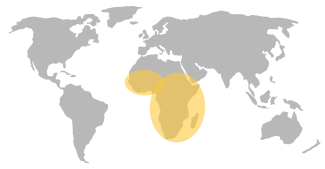
Pied crow habitat guide
1. Primary habitat - The Pied Crow is typically found in Sub-Saharan Africa. It thrives in savannas, open forests, and grasslands, often close to human settlements. The bird prefers warm climates and can also be seen near agricultural lands where food sources are abundant. 2. Additional range - Beyond its usual territories, the Pied Crow exhibits adaptability by inhabiting urban environments and semi-desert areas. Occasionally, it ventures to coastal regions and small offshore islands. Despite its preference for warmth, it can endure cooler temperatures, indicating significant ecological versatility.
Do they migrate?
The Pied Crow (Corvus albus) is generally a resident bird, not a migratory species. It is widely distributed across sub-Saharan Africa and some parts of the Arabian Peninsula. Pied Crows typically stay within their established territories all year round, adapting to a variety of habitats including savannas, towns, and coastal regions. While they do not migrate, Pied Crows may exhibit some local movements, which can sometimes be mistaken for migration. These movements are generally in response to the availability of food and water rather than seasonal migration. Such movements could bring them into different areas where resources are more abundant during certain times of the year. These crows are highly adaptable and can thrive in both urban and rural settings, often seen around human settlements where food sources—like garbage and roadkill—are readily available. In summary, the Pied Crow does not undertake long-distance migration but may move locally to exploit available resources.
What is the role of pied crows in nature and how to protect them?
Conservation status
The Pied Crow is currently classified as a species of least concern, indicating it is common and not at immediate risk of becoming vulnerable or endangered. This bird is widely distributed across sub-Saharan Africa and is adaptable to various environments, including urban areas. While there are no significant conservation efforts specifically targeting the Pied Crow, it benefits from general wildlife protection measures in various regions. Potential threats include habitat alteration and urban expansion, but its adaptability helps mitigate these impacts. Overall, the Pied Crow's population remains stable.
Ecological role of pied crows
Its role in the ecosystem
The Pied Crow (Corvus albus) plays a crucial role in the ecosystems it inhabits, primarily in areas of Sub-Saharan Africa. As an opportunistic feeder, it helps manage pest populations by consuming insects and small rodents, thereby promoting agricultural health and reducing the spread of disease. The diet of the Pied Crow is diverse, including insects, carrion, and even fruits, which allows them to contribute to seed dispersal. When consuming fruits, they inadvertently aid in the propagation of plants by dispersing seeds over wide areas, which can lead to increased plant diversity and forest regeneration. Although Pied Crows are not direct contributors to pollination processes, their presence in varied ecosystems supports nutrient cycling. By breaking down carrion and organic matter, they help return vital nutrients to the soil, enhancing soil fertility and supporting plant growth. Furthermore, their interactions with other species can influence food web dynamics, as they compete with other scavengers and predators, thereby maintaining ecological balances. Overall, the Pied Crow maintains significant ecological functions, from pest control to fostering biodiversity. Their wide range of dietary habits and adaptability make them integral to sustaining healthy ecosystems where they are present.
How to help protect pied crows
Preservation tips
Habitat preservation strategies
Protecting the habitat of the Pied Crow involves concerted efforts to maintain its natural environment. Support conservation organizations that work to acquire and manage key habitats, ensuring these areas remain undisturbed and free from detrimental land use changes. Be proactive by engaging in local advocacy and lobbying campaigns focused on zoning regulations that prevent urban sprawl and destructive agricultural practices. Encourage initiatives that restore native vegetation and promote land protection measures that align with conservation goals. Become a part of citizen planning boards to influence decisions that favor sustainable habitat use, shielding areas where these intelligent birds thrive from harmful developments.
Community science initiatives
Engaging in community science projects is an excellent way to support the Pied Crow. Participate in local birdwatching groups that monitor crow populations and contribute valuable data to ongoing research. Utilize apps like eBird to record sightings, helping track crow migrations and population dynamics. Organize or participate in awareness campaigns that educate communities about the ecological role of Pied Crows and the importance of biodiversity. Support educational programs in schools and local forums that highlight bird conservation, fostering a generation of environmentally conscious citizens. By actively participating, individuals can drive conservation efforts and help ensure the Pied Crow's survival.