
Orange-Bellied Parrot
Orange-Bellied Parrot
Neophema chrysogaster
Quick Identification guide
Quick Identification guide
- •
Small parrot with vibrant green plumage on the back and wings, glistening in sunlight
- •
Striking orange belly patch is a defining feature of the adult bird
- •
Features a short, tapered tail combined with a pale blue frontal band above the beak
Description
Did you know the orange-bellied parrot is one of the three species of parrot that migrate? Sadly, this amazing bird is critically endangered and, as of February 2017, there were reportedly only 14 birds remaining in the wild! They are creatures of habit and have been known to reuse nesting sites for years – if it ain't broke, don't fix it, right?
The orange-bellied parrot can weigh between 40to45grams and be from20to22centimeters tall.
The typical lifespan of the Orange-Bellied Parrot in the wild is 2-5 years, although some may live longer in captivity. This critically endangered species faces numerous threats, which often limit their lifespan. In comparison, related species like the Blue-winged Parrot can live up to 10 years, and the Turquoise Parrot up to 15 years in the wild. Captive conditions generally enhance longevity, as they provide stable food sources and protection from predators, exemplified by related species that can live several years longer when not facing these natural challenges.
Did you know?
Most popular questions about orange-bellied parrot
How to recognise an orange-bellied parrot?
General appearance
The Orange-Bellied Parrot is a small, colorful bird measuring around 20 cm in length. It features a vibrant mix of green and bright orange on its underparts, giving it its distinctive name. The cheeks and throat are a yellowish-green, while its back displays a more rich green shade. Wings exhibit touches of blue, especially noticeable when in flight. This bird’s beak is grey, complementing its black-brown eyes.
Male vs female
Males and females of the Orange-Bellied Parrot appear quite similar in coloration, making them difficult to distinguish in the wild at a glance. However, males often have a slightly more intense blue on their wings and a more vivid orange patch on their belly compared to females. These differences are subtle and often require close observation for accurate identification.
Juvenile
Juvenile Orange-Bellied Parrots are generally duller in color compared to adults. Their green plumage is more muted, and the orange on their belly is less bright. The blue shades on the wings are also less pronounced. As they mature, their colors become more vibrant, eventually resembling the adult's striking appearance.
Breeding and nesting habits of the orange-bellied parrot
Mating Behaviors
The Orange-Bellied Parrot exhibits elaborate courtship behaviors, involving a series of vocalizations and displays to attract a mate. During the breeding season, males will perform aerial displays, often fluttering their wings and showcasing their vibrant plumage. Socially, these parrots are known to form close bonds, engaging in mutual preening and feeding each other as part of their courtship rituals.
Nesting Details
Orange-Bellied Parrots prefer nesting in tree hollows, typically in forests or wooded areas close to water sources. They select cavities in eucalyptus trees, which offer suitable protection and insulation for their eggs. The choice of nesting site is crucial for the survival of these birds, as it provides safety from predators. While the species does not typically nest in gardens, creating a habitat with native trees and shrubs can attract them temporarily. Ensuring there's plentiful food, such as seeds and nectar, can also support their presence.
Eggs and Chick-rearing
The female lays between four to six eggs, tending to them diligently during the incubation period, which lasts around 21 days. Both parents are actively involved in feeding and protecting the chicks after hatching. The young remain in the nest for approximately five weeks before fledging. Parental care is critical during this time, as the chicks are vulnerable to predators and require constant feeding and warmth.
What does an orange-bellied parrot like to eat?
Fruits
Plants
Seeds
Natural Diet
The Orange-Bellied Parrot primarily feeds on a variety of seeds from native coastal saltmarsh and grassy ecosystems. During its breeding season in Tasmania, it consumes the seeds of sedges and saltmarsh plants, including the salt-tolerant halophyte, Atriplex cinerea. In the non-breeding months within mainland Australia, it extends its diet to include seeds from introduced weeds and native herbs. The bird also forages for fruits like berries and occasionally ingests small insects and nectar, adapting its diet based on availability and season. This adaptability is crucial for survival, particularly given its migratory lifestyle.
Bird Feeders
When found near urban gardens or recreational areas, the Orange-Bellied Parrot may visit bird feeders. They exhibit a preference for seed mixes that include sunflower seeds and millet, mimicking their natural seed-heavy diet. Although they are not typically attracted to suet, fruits such as chopped apples or berries can supplement their food when available at feeders. To cater to their unique needs, offering a mix containing smaller seeds and occasional grains is advisable. Providing fresh water is essential to accompany any feeder setup, ensuring these vibrant birds remain hydrated and healthy during their visits.
Choose the right feeder for the orange-bellied parrot
Position a platform or tray feeder in your backyard to attract the Orange-Bellied Parrot. These feeders allow the parrots to comfortably perch and access food. Ensure that the feeder is sturdy enough for their weight and easy to clean, keeping the feeding environment hygienic.
Offer bird buddy seeds for delicious meals
Stock your feeder with high-quality seeds that the Orange-Bellied Parrot enjoys, such as those offered by Bird Buddy. These specially curated seeds mimic the diet these parrots find in their natural habitat, making your feeder irresistible.
Strategic feeder placement for success
Place feeders at a moderate distance from dense shrubs or trees to provide a sense of security and potential escape routes from predators. An ideal height of about 4 to 6 feet keeps the location visible yet safe for approaching parrots.
Seasonal feeder strategies for maximum attraction
The breeding season from October to December is an ideal time to offer extra feeding materials. Enhance your backyard environment with nesting materials such as soft grass or small twigs, offering a welcoming space for these parrots.
Supplement feeders with fresh water and habitat enhancers
Include bird baths or shallow water sources to attract Orange-Bellied Parrots, as they are drawn to fresh water. Enhance your yard with native plants or small flowering bushes that offer natural perching spots and additional food sources.
Where can you find orange-bellied parrots?
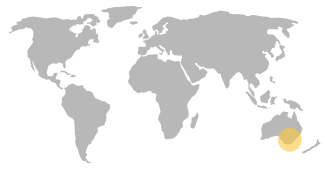
Primary habitat
The Orange-Bellied Parrot primarily inhabits coastal and near-coastal plains of southern Australia, especially Tasmania. They prefer saltmarshes, beaches, and estuaries where they can find abundant seeding grasses and sedges. They migrate to southern Australia from Tasmania's southwest region during winter, seeking similar environments.
Additional range
While less common, these parrots occasionally venture into agricultural areas and heathlands. During migration, they may be spotted in urban parks or gardens, adapting to temporary habitats when traditional resources are scarce, illustrating their limited adaptability beyond their native coastal habitats.
Do they migrate?
The Orange-Bellied Parrot (Neophema chrysogaster) is a migratory bird species. It undertakes a remarkable seasonal journey between its breeding and non-breeding habitats. The breeding season occurs in the summer months within southwestern Tasmania, primarily in Melaleuca, where they nest in tree hollows. After the breeding season, these parrots migrate northward to the coastal regions of southeastern mainland Australia for the winter months. The migration route typically involves crossing the Bass Strait, a journey of over 250 kilometers. They can be found in key wintering areas along the coasts of Victoria and South Australia, such as the salt marshes and coastal heathlands around the Bellarine Peninsula, Port Phillip Bay, and Western Port Bay in Victoria, as well as the Coorong in South Australia. Migration occurs twice a year: southward in late spring (September to November) and northward in late summer to early autumn (February to April). This critical migration process subjects them to various threats, including habitat loss and extreme weather, which contribute to their endangered status. Conservation efforts are crucial for their survival and include habitat protection and predator control.
What is the role of orange-bellied parrots in nature and how to protect them?
Conservation status
The Orange-Bellied Parrot is critically endangered. Found in Australia, its population is extremely small, with fewer than 50 individuals believed to exist in the wild. Key threats include habitat loss, predation, and competition for nesting sites. Conservation efforts focus on captive breeding, habitat restoration, and predator control. Breeding programs aim to bolster wild populations, while habitat management seeks to improve survival conditions. Despite these efforts, the species remains highly threatened, necessitating ongoing and intensified conservation actions to prevent extinction.
Ecological role of orange-bellied parrots
Its role in the ecosystem
The Orange-Bellied Parrot (Neophema chrysogaster) is a small bird species native to southern Australia. Its ecological significance extends beyond its striking plumage. By feeding on a variety of seeds, fruits, and flowers, this parrot plays a vital role in seed dispersal and plant propagation. As they consume seeds from various plant species, including native grasses and shrubs, they facilitate the growth and renewal of plant life across their habitat. This aids in maintaining vegetation diversity and stability within ecosystems. In addition to seed dispersal, the Orange-Bellied Parrot contributes to pest control through its consumption of insects. This natural predation helps regulate insect populations, preventing overpopulation and potential damage to vegetation. Although not a primary pollinator, the bird occasionally aids in pollination when feeding on or interacting with flowering plants, inadvertently transferring pollen. These parrots are part of a complex web of interactions with other species. They compete and coexist with other birds and animals while serving as prey for certain predators. Their ecological contributions highlight the interconnectedness of species, emphasizing the importance of preserving diverse habitats to maintain balanced ecosystems. Their decline reflects broader environmental challenges, underscoring the need for conservation efforts.
How to help protect orange-bellied parrots
Preservation tips
Habitat preservation strategies
Protecting the natural habitat of the Orange-Bellied Parrot is crucial. Support conservation organizations that work towards habitat restoration and land protection, as their initiatives often involve planting native vegetation and creating safe breeding sites. Participate in lobbying efforts aimed at enforcing stricter protection of their coastal and heathland habitats. You can also advocate for policies that prevent habitat destruction due to urban development or agriculture. Additionally, consider donating to land trusts that secure and preserve large tracts of land specifically for wildlife conservation.
Community science initiatives
Community involvement is essential for the conservation of this critically endangered species. Join citizen science programs that involve monitoring Orange-Bellied Parrot populations during migration periods. These programs collect valuable data on their numbers and distribution, which aids conservation efforts. Raise awareness through social media platforms and local community events to educate others about the importance of protecting this species. Additionally, participate in community bird counts and surveys, which can help track changes in their populations and contribute to valuable research. Engaging schools and local groups in these activities promotes widespread understanding and involvement in conservation efforts.