
Manakin
Manakin
Pipridae
Quick Identification guide
Quick Identification guide
- •
Manakins are typically small in size with a compact, plump body and short tail
- •
Males often display vivid plumage with bright colors such as red, blue, or yellow, while females are more muted
- •
They exhibit a broad, flat bill that is often short and tailored for their diet
Description
Did you know that these compact, stubby birds get their name from the Middle Dutch mannekijn which means 'little man'? Well, these little dudes are known for having dark plumage with some striking colours thrown in, big heads and spectacular group courtship displays!
The manakin can weigh between 6to26.5grams and be from7to15.5centimeters tall.
Manakins typically live for about 5-10 years. Compared to other Passeriformes species, such as sparrows with an average lifespan of 4-5 years or crows living 7-8 years on average, manakins have relatively similar lifespans. However, the lifespan of a manakin can significantly vary based on their environment, predation, and disease.
Did you know?
Most popular questions about manakin
How to recognise a manakin?
General appearance
Manakins are small, bird species native to Central and South America. They are recognized by their short tails, large heads, rounded wings, stout bodies and short legs. They have sharp, hooked bills ideal for fruit consumption. Some species showcase vivid colorations such as red, yellow, green, blue, black and white, while others have more subdued tones.
Male vs female
Male and female manakins display sexual dimorphism, meaning they look significantly different. Males are usually more brilliantly colored than females, often adorned with plumage of bright reds, yellows, blues and greens. Females, on the other hand, generally have green, brown, or olive feathers to blend into their surroundings. In addition, males perform complex and vibrant mating rituals involving songs and dances.
Juvenile
Juvenile manakins often resemble adult females in coloration and size, making them less conspicuous to predators. They display more muted green, brown or olive tones. As they mature into adulthood, males will gradually acquire their striking adult colorations and distinctive mating behaviors.
Breeding and nesting habits of the manakin
Mating behaviors
Manakins are known for elaborate courtship displays, often conducted in leks where males perform dances, acrobatics, and use unique vocalizations to attract females. These displays may involve rapid wing snaps, jumps, and synchronized movements among multiple males.
Nesting details
Manakins typically build their nests in dense vegetation, preferring locations like forest understories or shrubby areas. Nests are small, shallow cups constructed from plant fibers, leaf bits, and spider silk. In gardens, ensure dense plantings and provide materials like twigs and fibers to encourage nesting.
Eggs and chick-rearing
Females lay 1-2 eggs, which they incubate alone. After hatching, the female is solely responsible for feeding and caring for the chicks, which she does by regurgitating food. Chicks fledge after approximately 15-20 days, remaining dependent on the mother for a short time post-fledging.
What does a manakin like to eat?
Berries
Fruits
Insects
Spiders
Natural diet
Manakins primarily feed on a diet of fruits and berries, which constitute the majority of their intake. They play a significant role in the ecosystem as seed dispersers. In addition to fruits, manakins also consume insects such as ants, beetles, and flies, providing them with essential proteins and nutrients.
Bird feeders
While manakins are not common visitors to bird feeders, in regions where feeders are present, they may occasionally be attracted to suet or fruit offerings that mimic their natural food sources. Offering fresh fruits such as bananas or grapes might entice them if they are nearby.
Choosing the right feed
The Manakin is particularly fond of fruits and small insects, so when choosing the right feed for them keep this in mind. Go with Bird Buddy seeds as they are specially chosen by experts to suit the season. This will increase the chances of tempting these vibrant birds into your yard or feeder.
Types of feeders and approaching method
Manakins prefer feeders that are up high, so select platform or hanging feeders and fill it with the ideal Bird Buddy seeds. Place these feeders in a protected area near trees or tall shrubs where these chirpy birds will feel safe approaching. Adding a birdbath might also attract these water-loving birds to your yard.
Encouraging manakins with fun tricks
As Manakins are known for their distinctive chirpy songs and flamboyant courtship dances, try using bird songs as a way of attracting them. Playing recorded Manakin songs might intrigue these birds and encourage them to visit - and perhaps even stay for a 'sing along'. This method, along with Bird Buddy seeds, is usually really successful.
Where can you find manakins?
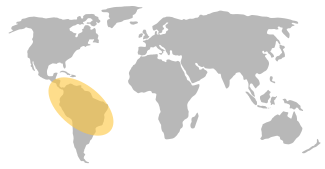
Primary habitat
Manakins typically inhabit tropical rainforests in Central and South America, primarily in lower leveled dense vegetation.
Additional range
Unexpectedly, some manakin species can also be found in dry forests and secondary forests, adapting to deforestated areas.
Do they migrate?
Manakins, a group of small passerine birds found in the American tropics, are generally non-migratory, with most species residing year-round in their tropical habitats. These birds inhabit regions ranging from southern Mexico to northern Argentina, predominantly in rainforests and other dense, humid environments. Their sedentary behavior is largely due to their specialized diet, which consists primarily of fruit and insects found in abundance in their habitats. The majority of manakin species exhibit site fidelity, remaining in the same area throughout the year. Only a few species may show some local movement, usually as a response to seasonal changes in fruit availability rather than long-distance migrations. Some minor altitudinal migration is observed in specific regions, where manakins may move to lower elevations during certain seasons to escape cooler temperatures or exploit different food sources. Overall, manakins are adapted to their niche environments and typically do not partake in long migratory journeys. Their bright plumage, unique courtship displays, and ecological roles in seed dispersal are all traits that align with their permanent residence in tropical forests.
What is the role of manakins in nature and how to protect them?
Conservation status
Manakins are generally not endangered, with many species considered common. However, certain species face threats due to habitat loss and fragmentation, primarily from deforestation in Central and South America. The vulnerable species among manakins are those with restricted ranges or specialized habitat needs. Key conservation efforts focus on habitat protection and restoration, often involving the creation and management of reserves and working with local communities to promote sustainable land use practices. Significant threats include agricultural expansion, logging, and infrastructure development, which contribute to the degradation of their natural habitats.
Ecological role of manakins
Its role in the ecosystem
Manakins are small, brightly-colored birds that inhabit areas in Central and South America. From an ecological perspective, they play significant roles in seed dispersal and pest control. Manakins primarily feed on fruits, ingesting seeds along with the fruit. These seeds are then dispersed in different locations as the birds move about, leading to increased plant diversity and aiding in forest regeneration. This makes manakins essential for maintaining the health of their habitats. Furthermore, manakins also feed on insects, including some that are considered pests, helping to manage these populations in their ecosystems. This pest control function is vital as it assists in reducing crop damage and maintaining the balance in the local biodiversity. Therefore, manakins demonstrate significant ecological contributions, underscoring the importance of their conservation and the preservation of their habitats.
How to help protect manakins
Preservation tips
Habitat preservation strategies
Preserving the natural habitat of the manakin is essential. This can be realized via imposing policies that curtail deforestation and illegal logging in areas populated by manakin birds. Replanting programs can also be put in place to revive their degraded habitat. Manakins thrive in forests that have a variety of fruit-bearing plants, hence, maintaining biodiversity is key. Ecotourism should also be regulated to mitigate human disturbance to these birds.
Community science initiatives
Citizen science is pivotal in manakin conservation. Train local communities to identify and track manakin populations, and to report illegal activities that threaten their wellbeing. Foster partnerships with research institutions for capacity-building workshops for communities. Promote the use of apps that allow for the cataloging of observed manakins. School programs encouraging the study and appreciation of manakins can also generate future advocates for their conservation.