
Gray Butcherbird
Gray Butcherbird
Cracticus torquatus


Quick Identification guide
Quick Identification guide
- •
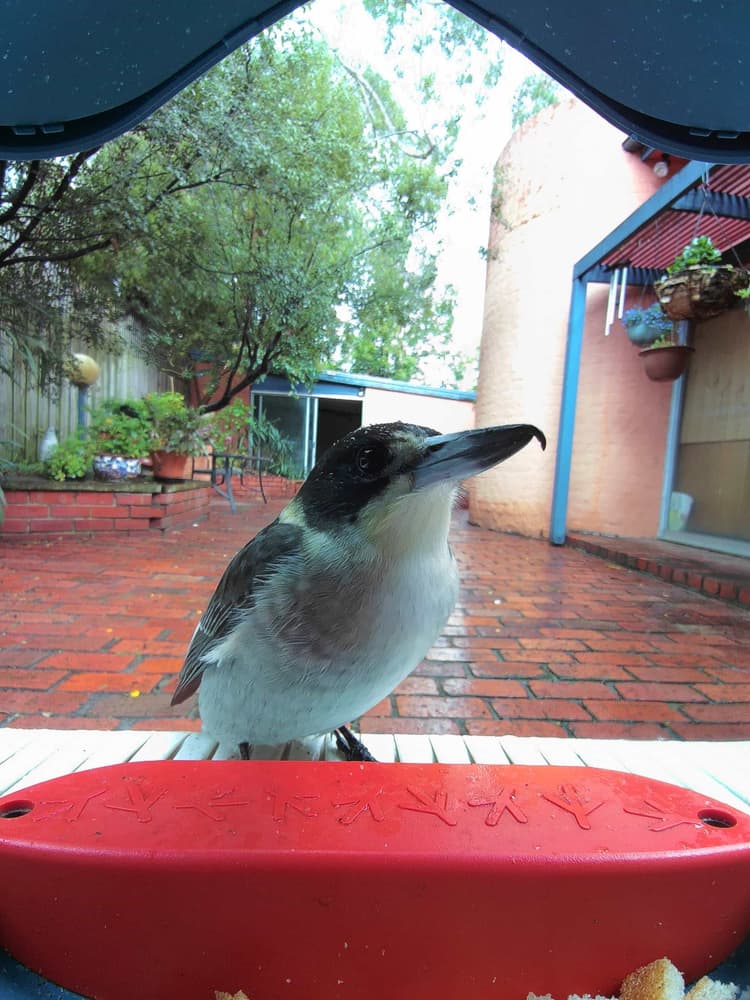
Features a black head and face, contrasted by a white throat and collar marking
- •
The gray body transitions into lighter gray on the underparts and a black tail with white tips
- •
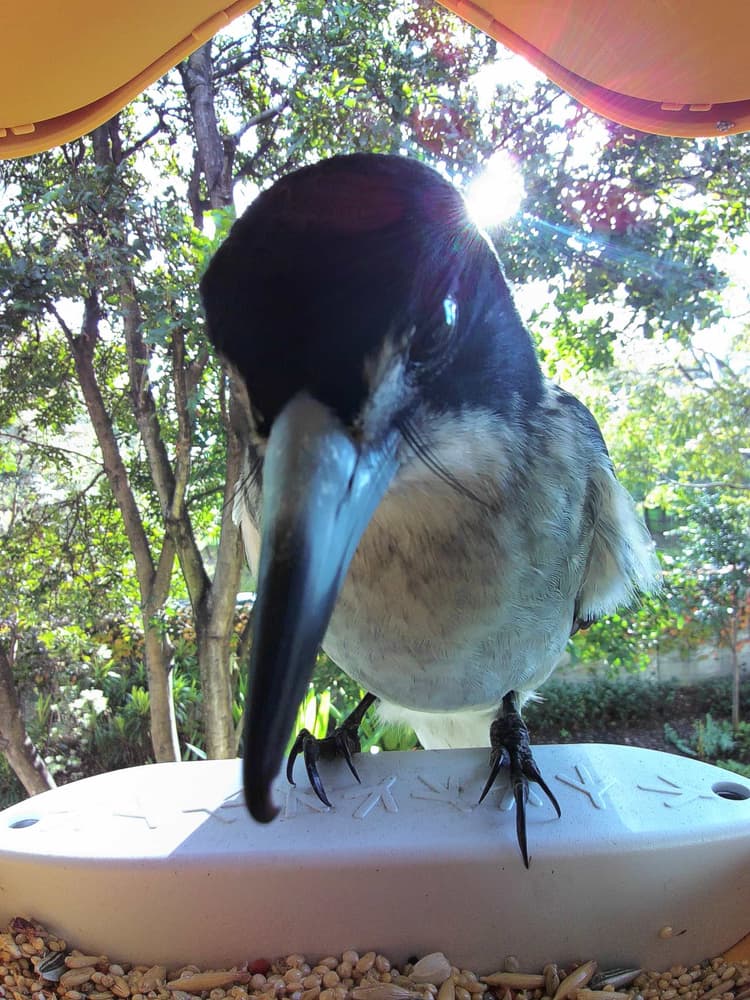
Possesses a strong, hooked beak, typical of butcherbirds, for gripping and tearing prey
What does a gray butcherbird sound like?
The gray butcherbird is known for its rich, melodious song, which is typically composed of fluting notes, interspersed with harsher sounds. It often sings its complex melodies at dawn or dusk. The species uses various calls to communicate, including a distinctive "yodelling" call, a "chu-chu-chu" call, and alarm calls. These vocalizations can mimic the sounds of other birds or even human-made sounds. Their songs and calls are shared and learnt within family groups; thus, different populations have different song dialects.


Description
Grey butcherbirds are extremely territorial birds but did you know that territorial groups have something that is known as a territorial song? This can be either sung by just one or two members, or as a group, and can last up to 15 minutes. Talk about giving the intruder a show! These adaptable birds have adjusted pretty well to our presence and can be found in cities and many an Australian suburb.
The gray butcherbird can weigh between 68to112grams and be from27to30centimeters tall.
The typical lifespan of the gray butcherbird is up to 15 years. This species tends to live longer than the closely related pied butcherbird, which has a lifespan of around 10 years. Both are, however, outlived by the Australian magpie, a distant relative that can survive up to 20 years in the wild.
Did you know?
Most popular questions about gray butcherbird
How to recognise a gray butcherbird?
General appearance
The gray butcherbird is a medium-sized bird, about 28 cm long, with black and white coloring. Its upper parts and wings are primarily black, contrasted by starkly white underparts. It has a distinguishing hooked beak, ideal for its diet of insects and small vertebrates. The bird carries a bold, striking facial mask, and its dark eyes give it a vigilant appearance.
Male vs female
Males and females are very similar in appearance, making them difficult to distinguish. Both genders display the species' iconic black and white color pattern, though some experts suggest males may be slightly larger. No significant seasonal variations in the appearance of the gray butcherbird exist, further making gender determination challenging.
Juvenile
Juvenile gray butcherbirds are more brown than adults and have softer, fluffier plumage. Their eyes are grayish and they lack the distinct facial mask of adults. Juveniles also have a paler, less defined version of the adult bird's color pattern, with the contrast becoming more apparent as they mature.
Breeding and nesting habits of the gray butcherbird
Mating behaviors
Gray butcherbirds engage in courtship rituals that include singing and displaying by both sexes. Pairs often form strong bonds and may stay together across breeding seasons. Males may offer food to females as part of courtship.
Nesting details
Nests are constructed in trees or shrubs, often in suburban areas, including gardens. They are cup-shaped and made from twigs, grass, and other plant materials. Selecting a location with dense canopy cover is preferred to protect from predators.
Eggs and chick-rearing
Clutches usually consist of 2-4 eggs, incubated primarily by the female. Chicks are altricial, requiring feeding and care from both parents. Fledging occurs about three weeks post-hatching, with parents continuing to feed fledglings for several weeks.
What does a gray butcherbird like to eat?
Birds
Fruits
Insects
Nectar
Seeds
Small animals
Natural diet
The gray butcherbird is predominantly carnivorous, preying on insects, small reptiles, mammals, and birds. They may also consume some plant matter such as fruits and seeds. The bird uses its strong beak to capture and kill prey, often impaling it on branches or thorns to break it apart more easily.
Bird feeders
At bird feeders, gray butcherbirds might consume suet, meat scraps, or other proteins offered by humans. They are less inclined to feed on seeds or grains, preferring offerings that resemble their natural diet. Occasionally, they may take cooked pasta, cheese, or bread if easily accessible.
Attracting the gray butcherbird to your yard
To tempt the gray butcherbird to your yard or feeder, you need to make your outdoor space inviting. Set up a birdfeeder in a quiet and safe spot. The feeder should be open and easily accessible. Gray Butcherbirds are meals more than seeds, so a feeder that can accommodate bits of meat or insects will be especially attractive.
The gray butcherbird's favorite snacks
Gray Butcherbirds love a variety of foods, but their favorites are insects, spiders, small birds, and mice. Also, they can't resist 'Bird Buddy' seeds, which are expert-chosen for the season and have been proven to deliver great results.
Fun tricks to entice gray butcherbirds
If you want to encourage gray butcherbirds to not just visit, but also stay a while, offering them their favorite foods is a great start. However, they're also known to enjoy a 'sing-along'. Playing soft, bird-friendly music or bird calls can encourage them to stick around. If you're lucky, you may even be serenaded with a song from these accomplished vocalists.
Where can you find gray butcherbirds?

Primary habitat
The gray butcherbird primarily dwells in woodland, scrubland, and parks in Australia's coastal and sub-coastal regions.
Additional range
Unexpectedly, it sometimes also inhabits urban areas and farmland, adapting readily to altered landscapes and temperate climates.
Do they migrate?
The gray butcherbird is generally a sedentary species, meaning it typically does not migrate. These birds are resident across much of their range in Australia. They are found in a variety of habitats, including woodlands, forests, and suburban areas. While gray butcherbirds do not undertake long migratory journeys, they might exhibit some local movements in response to seasonal changes, such as shifts in food availability. These movements are not considered true migration as seen in other bird species but may involve altitudinal adjustments or short-range dispersal. During winter, gray butcherbirds might move to lower elevations or slightly different areas to find easier access to food, but they generally remain within the same regional area throughout the year. Their year-round presence in an area makes them familiar and consistent residents, often recognized for their melodic and complex calls. Understanding the sedentary nature of the gray butcherbird adds insight into its adaptability and niche within the ecosystem.
What is the role of gray butcherbirds in nature and how to protect them?
Conservation status
The gray butcherbird is classified as a species of least concern, indicating it is relatively common and not currently at risk of extinction. It has a wide distribution across Australia and adapts well to different environments, including urban areas. Key conservation efforts are minimal due to its stable population, but habitat preservation remains important. Potential threats include habitat destruction and fragmentation, especially from urban expansion and land clearing. Overall, the species is adaptable and not facing significant immediate threats, allowing it to maintain a healthy population trend.
Ecological role of gray butcherbirds
Its role in the ecosystem
The Gray Butcherbird, an Australian native bird, significantly contributes to the balance of its ecosystem. Its omnivorous diet makes it an important regulator of insect and small vertebrate populations, hence acting as a form of natural pest control. These birds are breeders and various insects, reptiles, and small mammals are their prey that helps keep the population of these animals in check, helping prevent overpopulation and potential disruption to the ecosystem. Although not traditionally viewed as a primary seed disperser, its diverse diet and mobility mean the Gray Butcherbird may still contribute in limited instances to seed dispersal. Through their predatory behavior, they also exert pressure on their prey species to adapt and evolve, contributing to the overall biodiversity of their environment. Moreover, their nests provide shelter and housing to various insects and smaller species. Thus, the Gray Butcherbird plays a multifaceted and vital role in maintaining ecological balance within its habitat.
How to help protect gray butcherbirds
Preservation tips
Habitat preservation strategies
Promote and participate in local and national conservation programs aiming to protect and restore the natural habitats of the Gray Butcherbird. Strategies might include reforestation initiatives, control of invasive species, and securing protected status for key habitats. Advocate for sustainable land-use policies that minimize habitat fragmentation and destruction.
Community science initiatives
Get involved in citizen science projects that monitor Butcherbird populations and behaviors. Use bird watching apps to record your observations, helping to provide valuable data for conservation researchers. Attend workshops and educational programs to learn more about Butcherbird ecology and how to identify signs of disease or distress in individual birds and report such observations to local wildlife agencies. Share information with your community about the importance of preserving the Gray Butcherbird and its role in the ecosystem.