
Golden-Chevroned Tanager
Golden-Chevroned Tanager
Thraupis ornata
Quick Identification guide
Quick Identification guide
- •
Features a vibrant greenish-blue plumage with a distinct golden shoulder patch
- •
Displays a short, stout bill suitable for its varied diet
- •
Shows a sleek body and is generally of medium size with subtle differences in male and female coloration
What does a golden-chevroned tanager sound like?
The golden-chevroned tanager's vocalizations are characterized by a variety of high-pitched calls and melodic sounds. Its typical calls include a sharp, metallic "tsee" or "tsip" often used for communication among flock members. The song is a series of sweet, musical phrases delivered at a steady pace, interspersed with short trills and whistles. These vocalizations serve purposes like mating, territory defense, and maintaining flock cohesion. While not as complex as some other tanagers, the golden-chevroned tanager's calls and songs contribute to its vibrant presence in its native habitats.
Description
Golden-chevroned tanagers don't mind our presence one bit. These sociable and adaptable birds will often build their nest next to one of our homes, and like to make frequent stops to our gardens. That, as well as their restless and active nature, make them pretty easy to observe!
The golden-chevroned tanager can weigh between 30to36grams and be from17.5to18.5centimeters tall.
The golden-chevroned tanager typically lives for up to 5 years. This lifespan is relatively shorter compared to related species such as the turquoise tanager which can live up to 7 years. Like other tanager species, various external factors can affect their lifespan, including predators, diseases, and habitat destruction.
Did you know?
Most popular questions about golden-chevroned tanager
How to recognise a golden-chevroned tanager?
General appearance
The golden-chevroned tanager is a medium-sized bird found in Brazil. It is characterized by its vibrant plumage with a predominantly blue body and bright yellow shoulder patches known as chevrons. The wings and tail often appear darker with a metallic sheen. Its slender build and strong beak make it adept at feeding on fruit and insects.
Male vs female
Both male and female golden-chevroned tanagers share similar coloration, making them difficult to distinguish in the field. However, males may exhibit slightly more vibrant blue tones compared to females. There are no significant differences in size or wing markings, which makes behavioral observation important for sex differentiation.
Juvenile
Juvenile golden-chevroned tanagers feature duller plumage than adults, with subdued blue and yellow hues. The wing bars are less pronounced, and the overall appearance is more muted, often lacking the metallic sheen seen in mature birds. As they mature, their colors brighten to match the vividness of adult tans.
Breeding and nesting habits of the golden-chevroned tanager
Mating behaviors
The golden-chevroned tanager engages in courtship displays, which include vocalizations and feather displays to attract mates. Both visual and auditory signals play roles in mating selection.
Nesting details
They typically build cup-shaped nests in trees or shrubs. Preferred materials include twigs, leaves, and grasses. These birds can adapt to gardens, provided there are enough trees and dense foliage for nesting.
Eggs and chick-rearing
Females lay 2-3 eggs, which they incubate for about two weeks. Both parents participate in feeding the chicks a diet of insects and fruit. Chicks fledge approximately 14-18 days after hatching.
What does a golden-chevroned tanager like to eat?
Fruits
Insects
Natural diet
The golden-chevroned tanager primarily feeds on a variety of fruits found in its natural habitats such as berries and figs. Additionally, it consumes nectar and supplements its diet with insects and small arthropods, which provide essential proteins. These birds are known to forage through trees and shrubs, using their beaks to pick food.
Bird feeders
At bird feeders, the golden-chevroned tanager is often attracted to offerings of fruits like bananas, papaya, and oranges. They may also be drawn to feeders stocked with nectar, similar to those used for hummingbirds. Occasionally, they may consume seeds, especially if they are presented in a manner that mimics their natural foraging behaviors.
Preferred diet of the golden-chevroned tanager
The Golden-Chevroned Tanager loves indulging in a variety of fruits, insects, and Bird Buddy seeds. These seeds are a top choice as they are expert-selected according to the season, ensuring prime nutrition and taste to attract these vibrant birds.
Ideal feeders
Golden-Chevroned Tanagers prefer a variety of feeder types, but tube feeders with multiple ports for ease of access are a great choice. Make sure to have the feeders placed at a height as these birds enjoy tree canopies.
Inviting the golden-chevroned tanager
Apart from providing their favoured food, try maintaining a space that mimics their natural habitat. Install the feeder amongst trees or foliage for a sense of security and familiarity. Keeping a source of clean, freshwater nearby can also attract more Tanagers to your yard.
Sing-along fun
Golden-chevroned Tanagers won't easily stay for a sing-along but playing soft, soothing bird sounds or songs might attract their curiosity. Don't play the sounds too loudly, just enough to pique their interest and make them feel welcome.
Where can you find golden-chevroned tanagers?
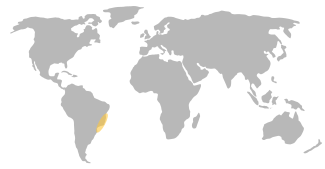
Primary habitat
The golden-chevroned tanager prefers humid subtropical forests, often found in the Atlantic Forest of southeastern Brazil.
Additional range
Though primarily in forests, they also adapt to semi-open areas and urban parks within their range. They tolerate moderate climate changes.
Do they migrate?
The golden-chevroned tanager is a non-migratory bird species that is endemic to Brazil. It stays in one place throughout the year, primarily inhabiting the Atlantic Forest region. This bird is commonly found in southeastern Brazil, particularly in the states of Espírito Santo, Minas Gerais, Rio de Janeiro, São Paulo, Paraná, and Santa Catarina. The species thrives in various forest habitats, including both lowland and montane forests, as well as in secondary growth and degraded forest areas. Given its non-migratory nature, the golden-chevroned tanager does not undertake any seasonal migrations. Instead, it maintains a relatively stable home range where it engages in activities such as foraging, mating, and nesting. Suitable habitats for this species provide access to fruit-bearing trees and shrubs, as it primarily feeds on fruits, along with insects and other small invertebrates. Conservation of its habitat is crucial for maintaining stable populations, as the Atlantic Forest is a highly diverse yet threatened biome. Preservation efforts focus on protecting and restoring forest habitats to support the diverse species that inhabit this region, including the golden-chevroned tanager.
What is the role of golden-chevroned tanagers in nature and how to protect them?
Conservation status
The golden-chevroned tanager is currently classified as "Least Concern" by the IUCN, indicating it is relatively common and not vulnerable or endangered. This bird is native to Brazil and thrives in subtropical or tropical moist lowland and montane forests. Significant threats include habitat loss due to deforestation and urbanization. Although not currently at high risk, ongoing conservation efforts focus on protecting and restoring its forest habitats to prevent future declines. Engaging local communities in sustainable land-use practices also plays a crucial role in ensuring the species' long-term survival.
Ecological role of golden-chevroned tanagers
Its role in the ecosystem
The golden-chevroned tanager is a small bird native to South America that plays a critical role in its local ecosystem. The tanager feeds predominantly on a diet of insects, playing a vital role in pest control by naturally reducing the population of harmful insects and maintaining environmental balance. It's not only an effective pest destroyer but it also aids in seed dispersal. By consuming fruits and berries, and subsequently excreting the seeds in different locations, the tanager assists in the pollination and regrowth of various plant species. Tangible evidence of this bird's influence on vegetation dispersion is acknowledged in numerous studies, reinforcing its ecological importance. Survival of these bird species is quintessential for the healthy functioning of their respective ecosystems, emphasizing the necessity of their conservation.
How to help protect golden-chevroned tanagers
Preservation tips
Preservation strategies
Focus on habitat preservation for golden-chevroned tanager by developing protected areas where the species are endemic. Work towards preventing deforestation in these areas, as it's a key threat to their survival. Lobby for strict laws to regulate activities harming their ecosystem, like agricultural practices and urban development.
Community science initiatives
Promote community science initiatives, encouraging locals and young enthusiasts to participate in golden-chevroned tanager's conservation. Engage local schools, community centers in tree planting activities to restore their natural habitats. Incorporate usage of technology, like building a digital platform, to track the bird’s population and migration patterns, which can help authorities devise effective policies.