
Deer
Deer
Cervidae


Quick Identification guide
Quick Identification guide
Male
- •
large body structure with a strong, muscular build
- •
distinctive antlers that are broad and branching
- •
brown fur that may have white spots when young
Female
- •
large and sturdy body similar to the male but without antlers
- •
varying shades of brown fur, often lighter than the male
- •
slenderer face, giving a more delicate appearance


Description
Did you know that female reindeer and all male deer, except for water deer, have antlers? Just as birds' snazzy colours prove they are worthy mates, deer must prove themselves with antlers that are as large and as branched as possible. They aren't just for show: they are fearsome weapons and can inflict some serious damage.
The deer can weigh between 8000to99999grams and be from38to230centimeters tall.
The average lifespan of a wild deer is around 10-14 years, with most dying sooner due to disease, hunting, or traffic accidents. However, when in captivity and removed from such threats, deer can live up to 20 years or more. For comparison, elk, a closely related species, typically live similar spans of 10-15 years in the wild but can reach 25 years in captivity. Smaller species like roe deer live shorter lives, usually around 7-10 years.
Did you know?
Most popular questions about deer
How to recognise a deer?
General appearance
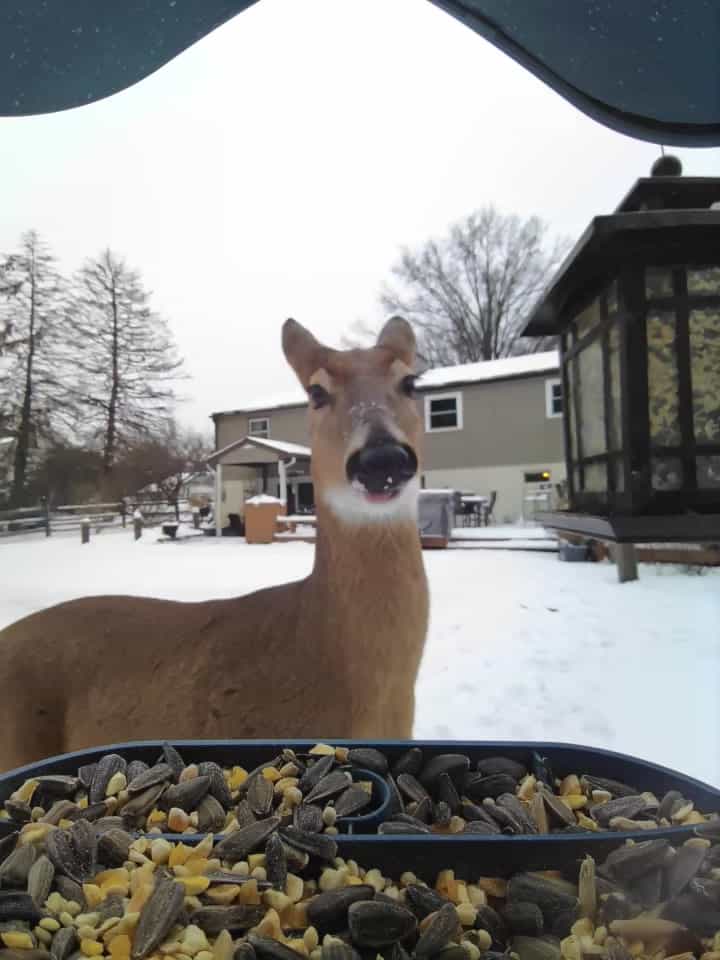
Deer are medium to large mammals, with muscular bodies covered in fur that varies from reddish-brown in summer to greyish-brown in winter. They have impressive antlers, long slender legs, and large ears. Seasonal variations in fur color help with camouflage. Deer have long necks, enabling them to graze easily, and a white underside, which aids in concealing them from predators.
Male vs female
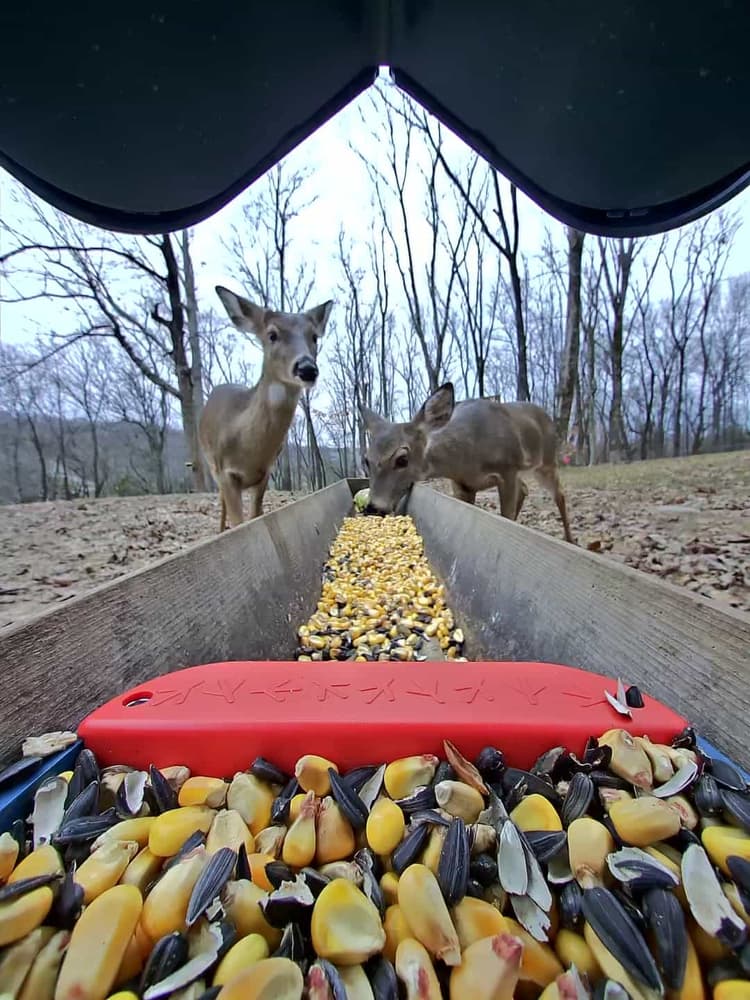
Male deer, clear between the larger antlers and bulkier frame. They also sport a dark-colored ‘shaggy’ neck and are generally larger than females. Males, or 'bucks,' grow antlers annually, which are used in competition for mates. Females, 'does,' are smaller and lack antlers. They have a more petite form, and their fur is usually lighter.
Juvenile
Juvenile deer, or 'fawns,' differ significantly in appearance from adults. They have a reddish-brown coat with white spots, which helps them blend into the forest understory. These spots fade as the fawns mature. Like adult deer, they exhibit seasonal color changes for optimal camouflage. Fawns are usually very quiet and lie down motionless when approached by potential threats.
Breeding and nesting habits of the deer
Mating behaviors
During the breeding season, male deer engage in antler displays and vocalizations to attract females. Courtship involves a series of displays where males attempt to showcase their strength and vitality. Mating generally occurs during the autumn months.
Nesting details
Deer do not build nests in the traditional sense. Instead, they seek secluded areas such as dense underbrush or tall grass where they can give birth. These locations provide camouflage and protection from predators. The doe creates a simple depression in the ground to give birth.
Eggs and chick-rearing
Deer do not lay eggs. The doe gives birth to typically one or two fawns. The mother leaves her fawns hidden in the grass while she feeds and only returns for nursing. Fawns are weaned by around two to three months and gain full independence after their first year.
What does a deer like to eat?
Berries
Flowers
Fruits
Plants
Seeds
Natural diet
Deer are herbivores with a diet primarily consisting of leaves, twigs, fruits, and nuts. They often consume young shoots and flowering plants. Depending on the season, their diet can include grasses, bark from trees, and agricultural crops like corn and soybeans. In forested environments, they may also eat acorns and mushrooms.
Bird feeders
Deer are opportunistic feeders and may visit bird feeders to consume seeds and grains. Common items they eat from feeders include cracked corn, sunflower seeds, and other seed mixes often intended for birds. Their presence at bird feeders is largely dependent on food scarcity in their natural habitat.
Use the right snacks
Deer love to munch on a variety of fruits, vegetables, and nuts. Some of their favorites include apples, carrots, acorns, and chestnuts. For the best results, we recommend using Bird Buddy seeds. These seeds are chosen by experts based on the season, so they're certain to attract deer to your yard or feeder.
Choose the right feeder
While deer will eat directly from the ground, they'll be more likely to frequent your property if you use a feeder. Gravity feeders and trough feeders are both good options. Also, make sure your feeder is easily accessible and not positioned too close to human activity.
Try some fun tricks
Deer are known for their keen sense of smell. Try sprinkling some of their favorite snacks around your yard to draw them in. You might even want to plant some deer-friendly shrubs or trees for a more long-term solution. And remember, be patient! It might take a little while for the deer to discover your yard or feeder, but once they do, you'll enjoy regular visits from these majestic creatures.
Where can you find deers?
Primary habitat
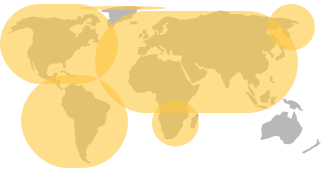
Deer are highly adaptable, primarily inhabiting forested regions. They favor climates with mild to moderate temperatures, avoiding extreme heat or cold.
Additional range
Unexpectedly, some deer species can thrive in suburban and urban environments, due to their ability to find food and shelter in these areas.
Do they migrate?
Deer migration varies by species and geographical location. Mule deer, for example, are known for their seasonal migrations, particularly in western North America. These migrations are triggered by changes in weather and food availability. In the Rocky Mountains, mule deer typically move from low-elevation winter ranges to higher-elevation summer ranges. The timing of these migrations depends on local climate conditions. They usually begin their journey to summer ranges in late spring, around April to June, as snow melts and new vegetation emerges. In autumn, around September to November, they return to lower elevations as temperatures drop and snow begins to cover high-altitude areas. Key migration corridors include the Wyoming Range and the Red Desert-to-Hoback corridor in Wyoming. These routes are crucial for deer as they provide necessary passage between seasonal habitats, ensuring access to food and suitable living conditions. White-tailed deer, in contrast, are generally more sedentary, often staying within a localized range year-round, depending on the region. However, some northern populations may exhibit short-distance movements to wintering areas, often into dense forests offering protection from harsh weather. Each deer population has a unique migration pattern, heavily influenced by its specific habitat and environmental conditions.
What is the role of deers in nature and how to protect them?
Conservation status
The conservation status of deer varies by species. Many species, such as white-tailed and mule deer, are common and not at risk. However, some species like the Key deer are endangered due to habitat loss and vehicle collisions. Conservation efforts focus on habitat protection, legal protection against poaching, and management of human-wildlife conflicts. Significant threats include habitat fragmentation, overhunting, and climate change impacting ecosystems. Conservation programs, such as establishing protected areas and wildlife corridors, play a crucial role in safeguarding these species. Some deer species also benefit from public awareness and community involvement in conservation efforts.
Ecological role of deers
Its role in the ecosystem
Deer play a critical role in maintaining ecological balance in many ecosystems. They are browsers and grazers, feeding on a variety of vegetation. More so, they can act as natural forms of pest control, consuming many types of invasive plants and weeds. Deer also contribute to seed dispersal, as seeds from the plants they eat can pass through their digestive system undamaged and are deposited in a new location via their droppings, facilitating plant reproduction and distribution. Further, deer serve as prey for various predators, including coyotes, wolves, and big cats, aiding in controlling their populations. However, when deer populations grow too large, they can have a negative impact on the ecosystem, overgrazing certain plant species and causing erosion. Therefore, managing their numbers is crucial to maintain ecosystem balance.
How to help protect deers
Preservation tips
Habitat preservation strategies
Preserving deer habitat includes promoting forest management practices that favor the growth of plant species preferred by deer, preserving critical areas such as breeding and feeding grounds, and incorporating wildlife crossings in road construction to reduce vehicle-deer collisions. Encouraging local planning commissions to adopt zoning regulations that protect critical ecosystems can also support deer conservation.
Community science initiatives
Community science initiatives can play a significant role in deer conservation. Involve local communities in population count and monitoring activities to collect data over long periods. Educate public about the importance of a balanced deer population and how human-induced factors can harm it. Advocate for responsible hunting practices and encourage reporting of illegal activities. Citizen-led reforestation could also contribute to restoring deer habitat.