
Alpine Accentor
Alpine Accentor
Prunella collaris

Quick Identification guide
Quick Identification guide
- •
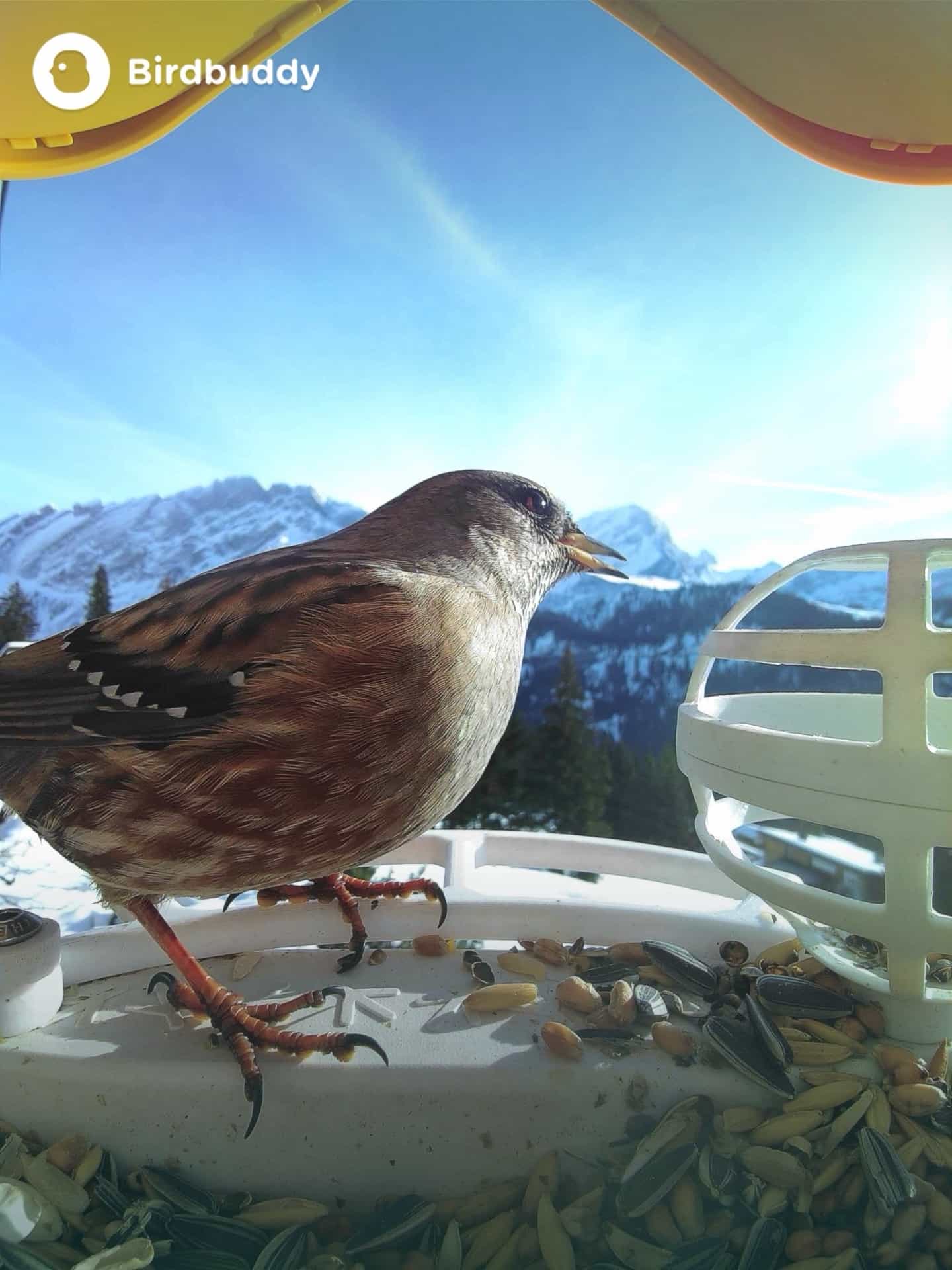
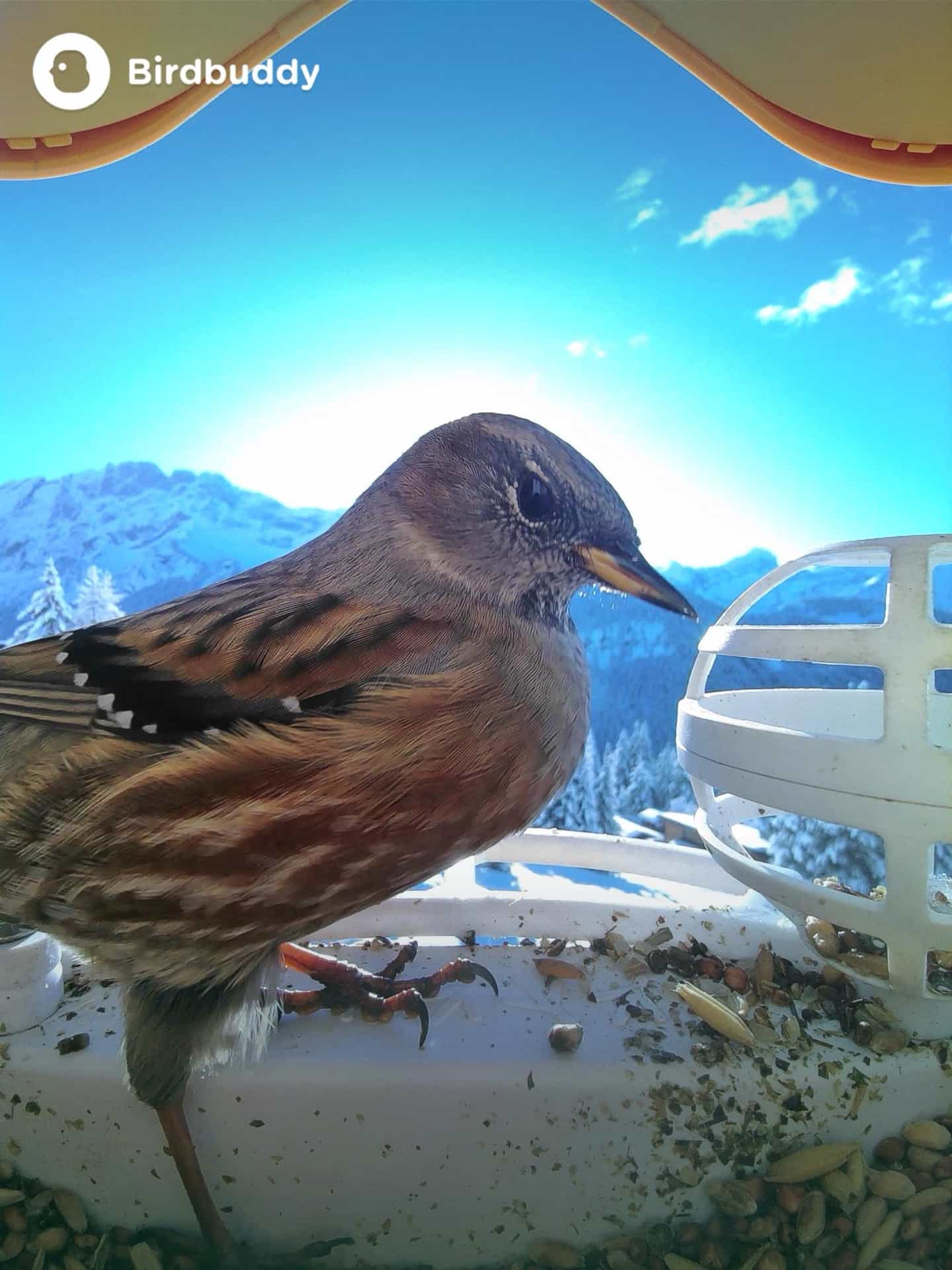
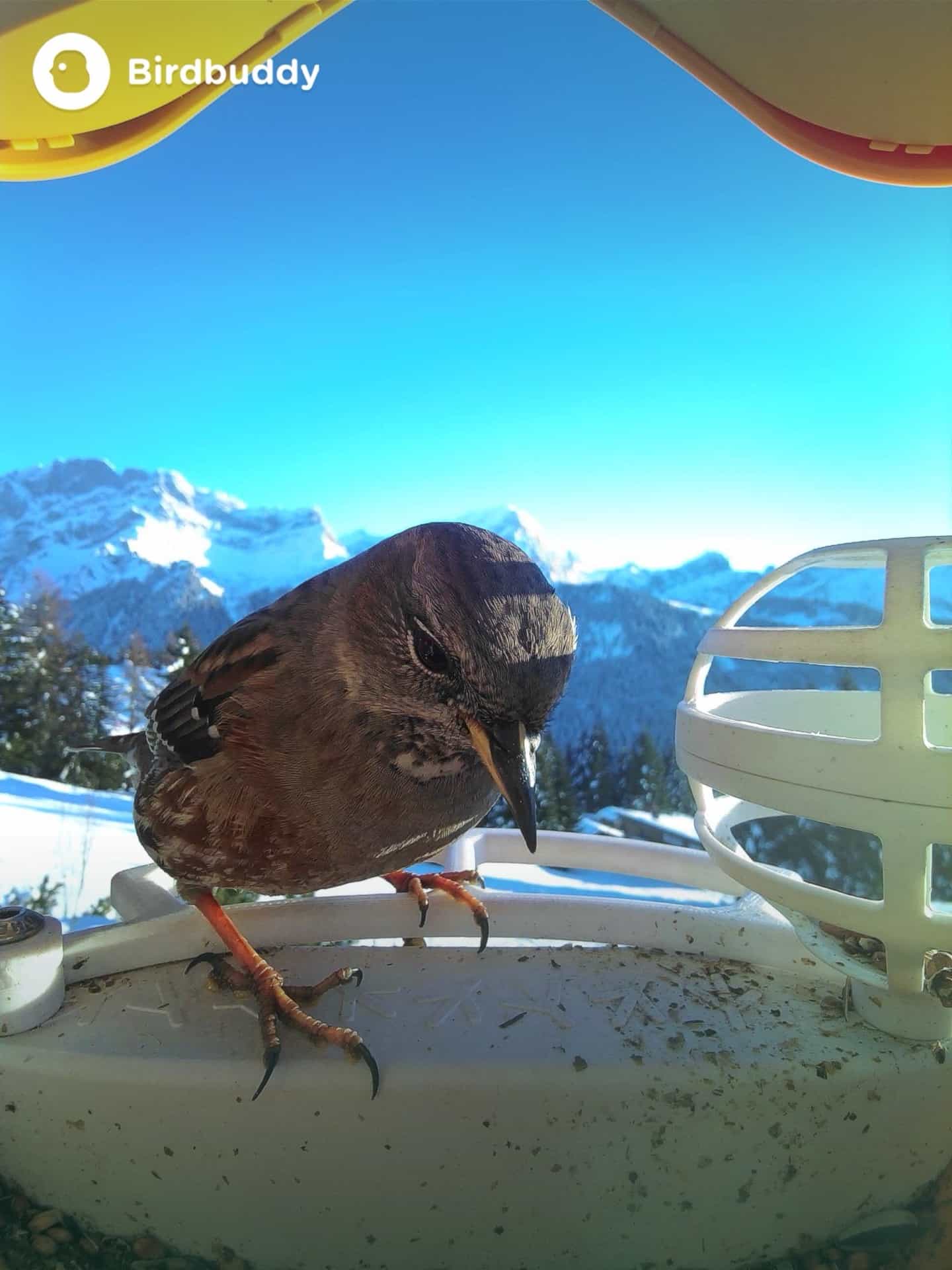
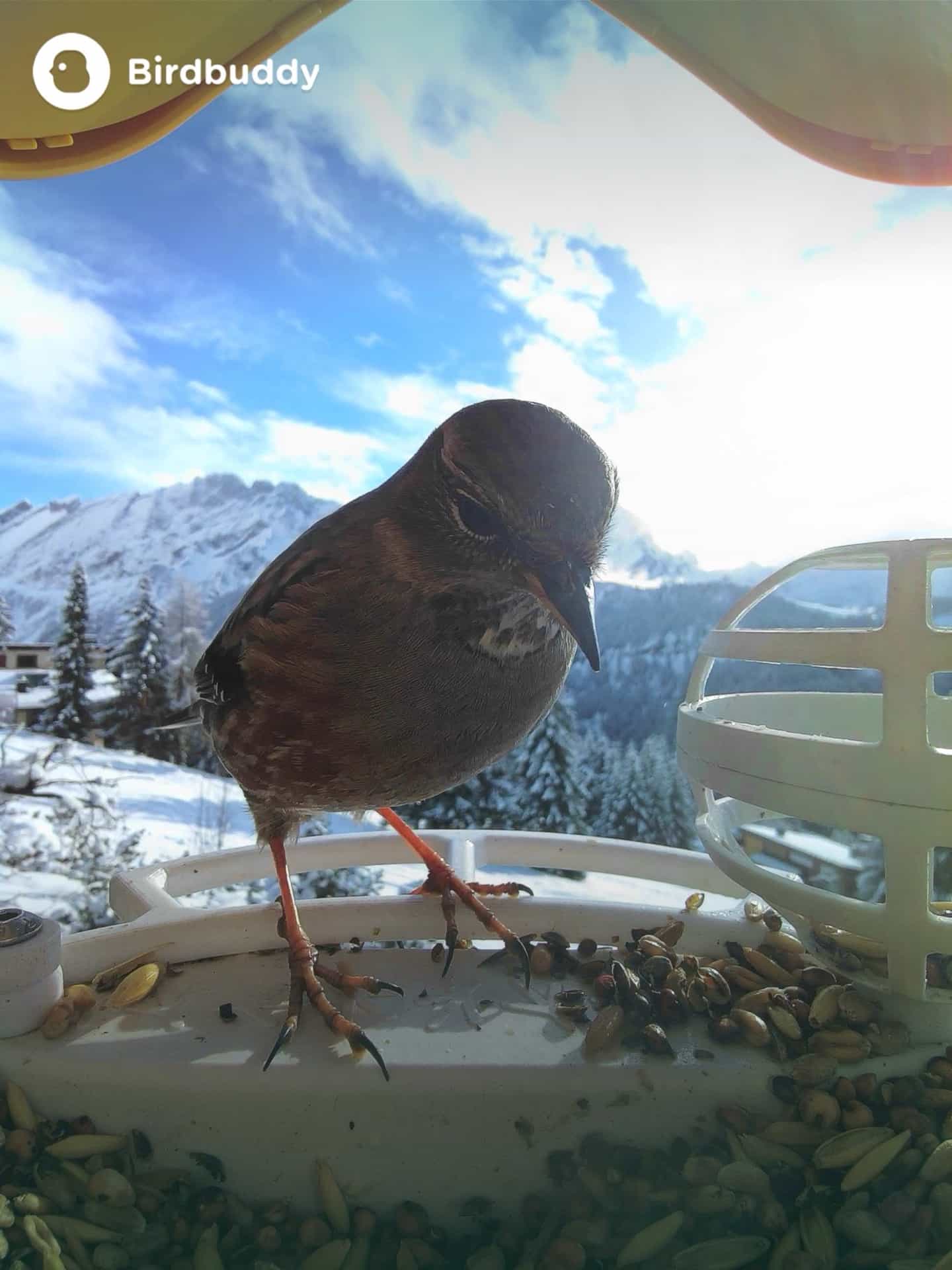
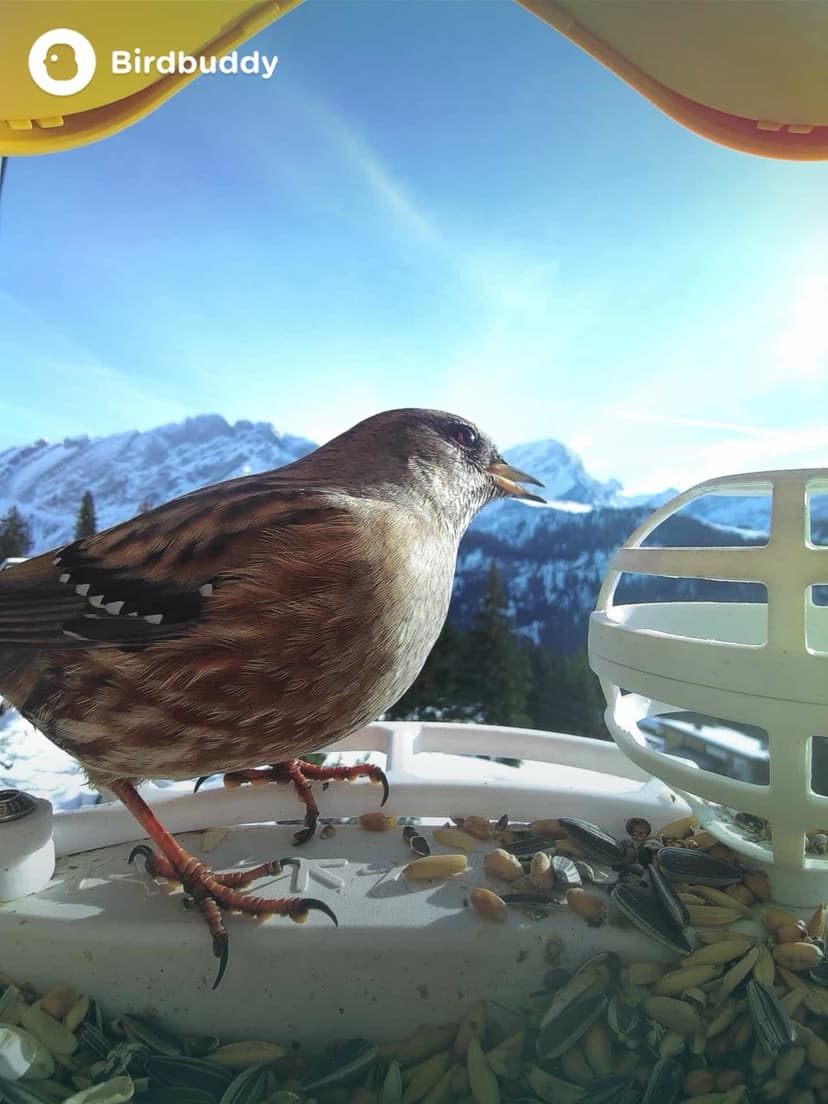
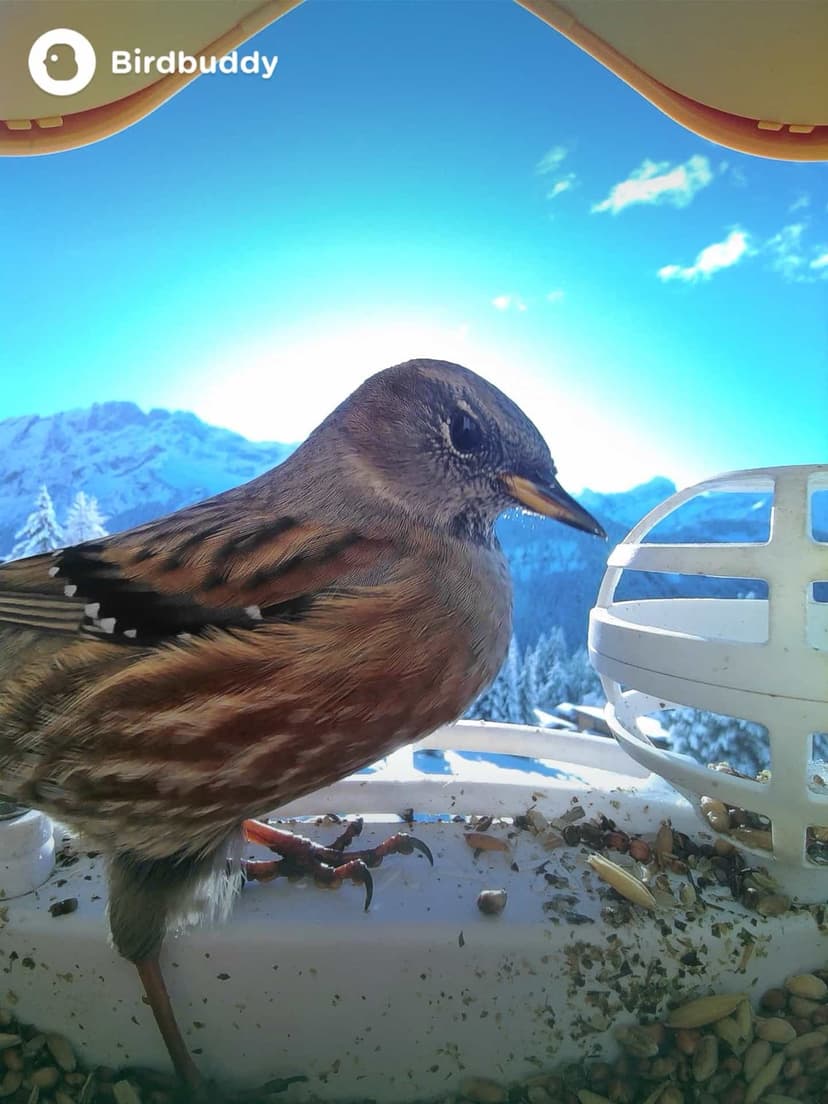
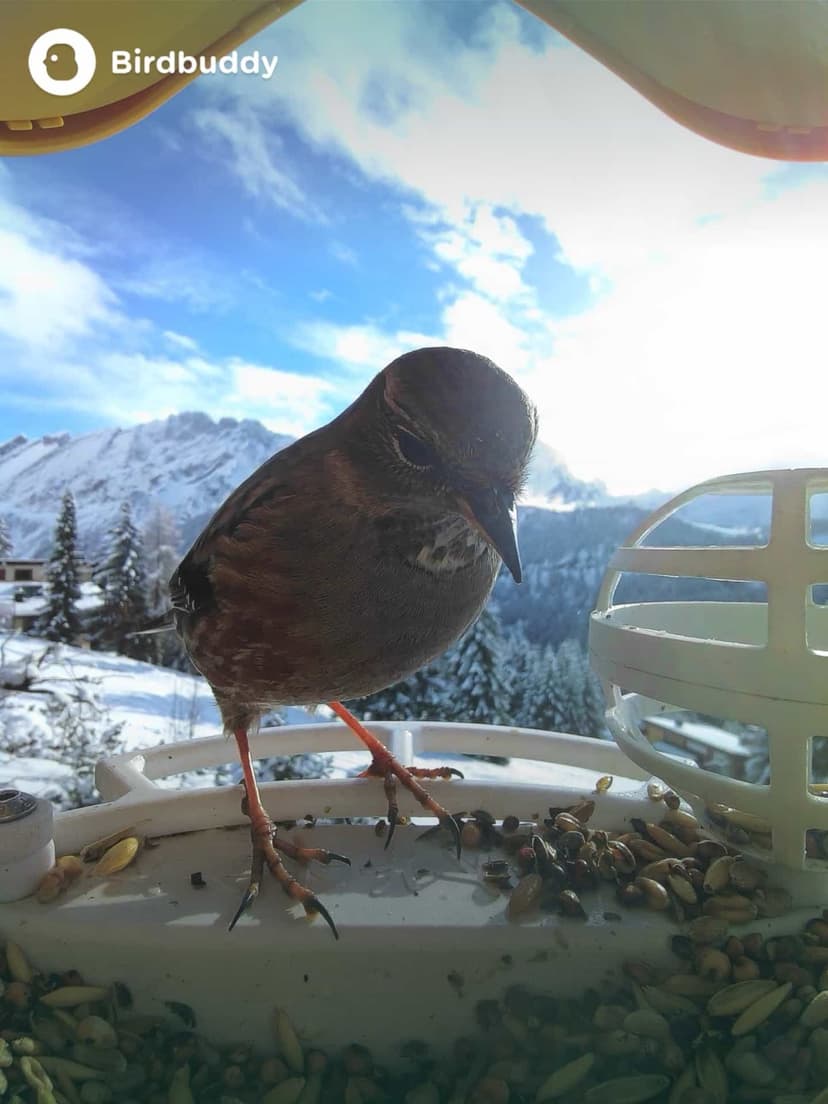
The Alpine Accentor has a brown and grey plumage with distinct rusty-orange streaks on its flanks
- •
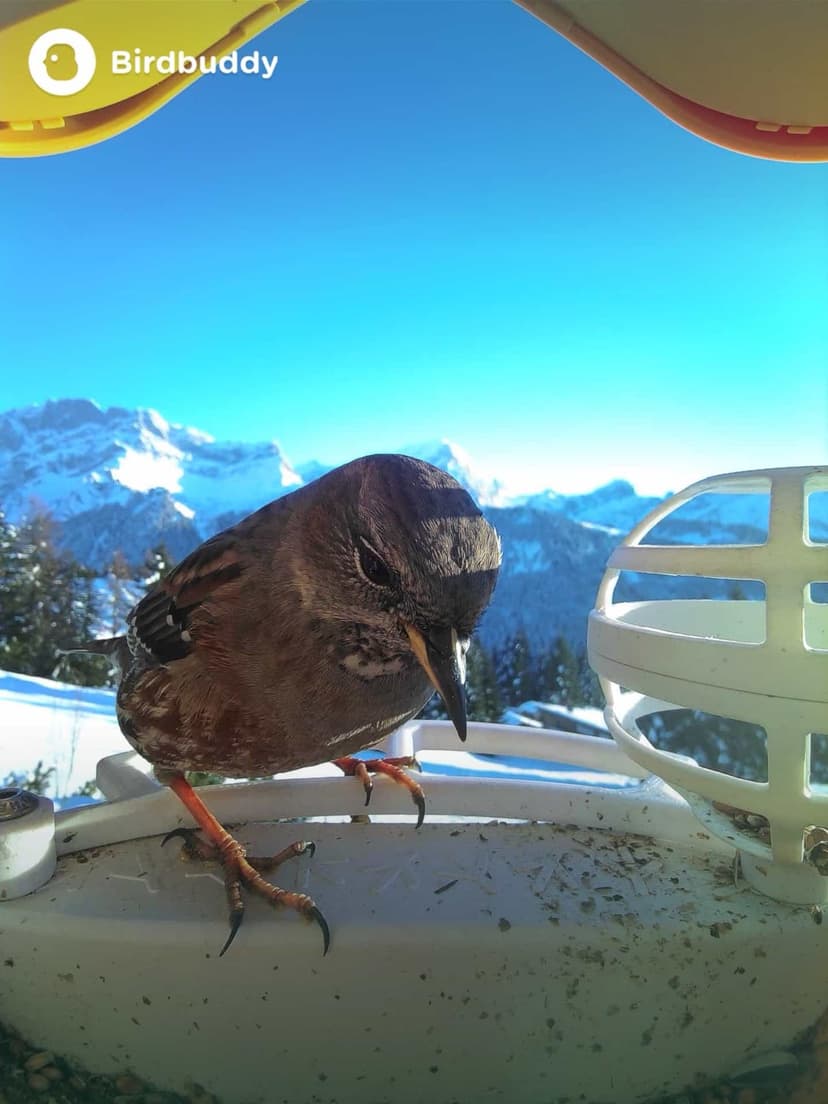
It features a clean white throat bordered with a dark collar, giving it a distinguished appearance
- •
Possesses a slender, straight bill and a stocky build that is typical for accentors
What does an Alpine accentor sound like?
The Alpine Accentor's vocalizations consist of a simple yet melodious song which is often delivered from a prominent perch or in flight. Its song, composed of high thin whistles, trills, and warbles, can vary geographically. Often, its calls include a sharp "tseep" or a softer, more musical "tee-oo". Moreover, males might display a complex song pattern during courtship, which blends well with their display flights.

Description
In Alpine accentor society, groups of around four males and females each live in the same breeding territory; come breeding time, all males try to mate with all females, and all females with all males: this is known as social polygynandry! Male groups have a pecking order which accords the most authority to the oldest. What about childcare? Males help out, but it depends on whether or not they are convinced the chicks are theirs.
The Alpine accentor can weigh between 30to45grams and be from15to19centimeters tall.
The Alpine accentor typically lives up to 10 years. In comparison, related species like the Dunnock have a shorter lifespan, averaging around 3 years, whereas the Siberian accentor lives a comparable life of up to 10 years as well. Factors such as harsh weather conditions and predation can limit their longevity.
Did you know?
Most popular questions about Alpine accentor
How to recognise an Alpine accentor?
General appearance
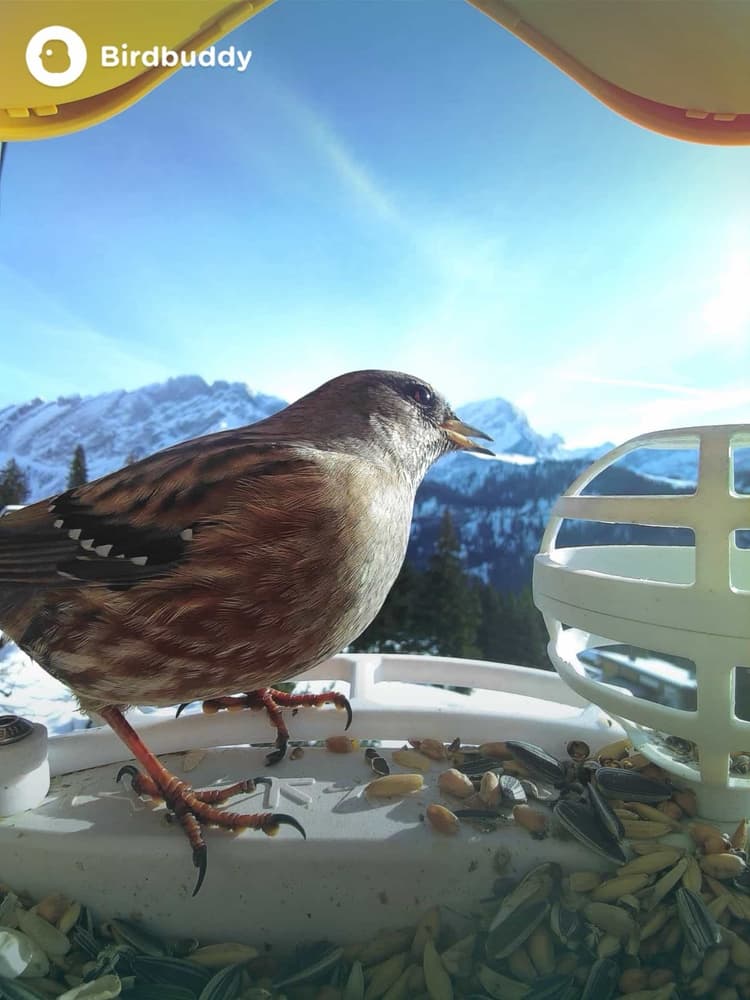
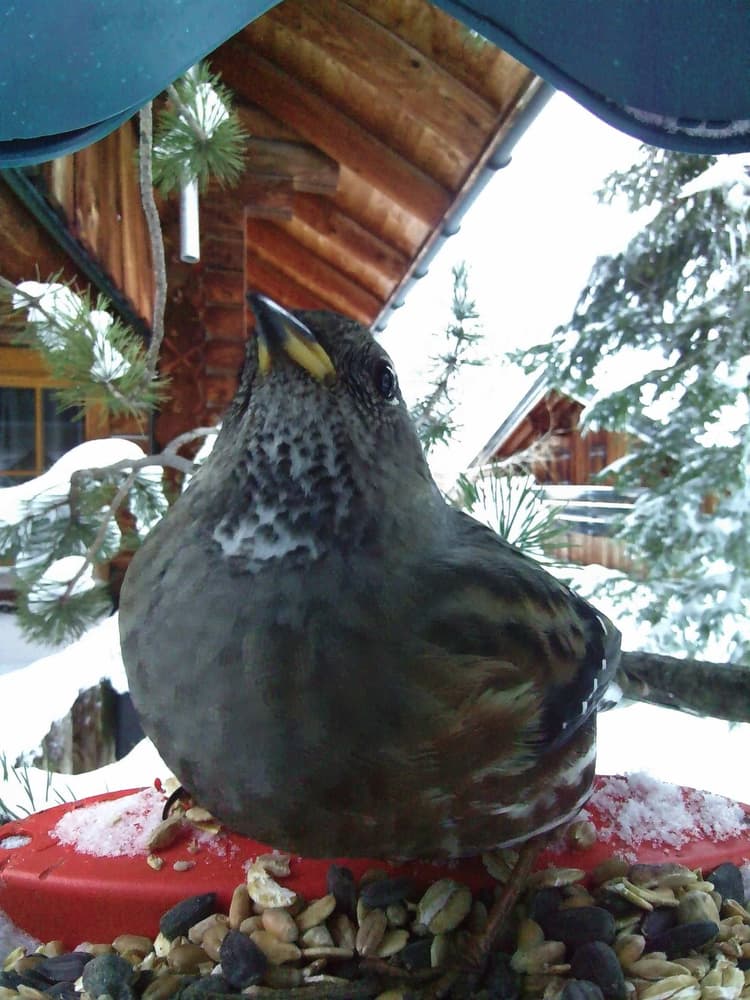
The Alpine accentor is a robust, medium-sized bird that displays a distinctive sparrow-like appearance. Its distinguishing features include a streaked brown back, white belly, and an orange-buff chest. Furthermore, it possesses dark wings with prominent white stripes and a short, square-ended tail.
Male vs female
Both male and female Alpine accentors share similar coloring and physical traits, which makes it challenging to distinguish between them based on external appearance alone. They both display the signature streaked brown, white, and orange-buff coloration.
Juvenile
Juvenile Alpine accentors have a similar coloration to adults but exhibit a more muted and less distinctive pattern. Their streaked backs are less noticeably brown, and their understides are less brilliantly white. Moreover, the orange-buff color on their chests is not as vivid as in adults. These traits become more pronounced as the birds mature.
Breeding and nesting habits of the Alpine accentor
Mating behaviors
The Alpine accentor exhibits polyandrous and polygamous mating systems. Males perform courtship displays, including singing and aerial chases, to attract females. Females may choose multiple males, leading to diverse genetic offspring.
Nesting details
Nests are typically built in crevices or under rocks in alpine and subalpine zones. They use grass, moss, and feathers to construct cup-shaped nests, providing a safe environment against predators and harsh weather.
Eggs and chick-rearing
Females lay 3-5 eggs, which are incubated for about two weeks. Both parents feed the chicks, providing insects and seeds. Juveniles leave the nest around two weeks post-hatching, becoming independent shortly after.
What does an Alpine accentor like to eat?
Berries
Insects
Seeds
Snails
Spiders
Suet
Worms
Natural diet
The Alpine accentor primarily feeds on insects and other invertebrates, which it finds by searching on the ground and in crevices. During the breeding season, they consume a variety of arthropods, including beetles, ants, and spiders. In winter or when insects are scarce, they supplement their diet with seeds and berries found in their alpine habitat.
Bird feeders
Although the Alpine accentor is less commonly observed at bird feeders, it may occasionally visit them. When it does, it tends to consume suet, mealworms, and small seeds, such as millet. These visits are more likely when natural food sources are limited due to environmental conditions.
Attracting alpine accentors: feeders and favorite snacks
To attract alpine accentors, you can start by providing food in a feeder that is easy for the birds to access. The birds love hopping about in meadows and are likely to find feeders placed at ground level most appealing. A variety of seeds is optimal and 'Bird Buddy' seeds come highly recommended. Expertly selected for seasonal suitability, these seeds prove irresistible to the alpine accentors.
Fun tricks to tempt the alpine accentor
Besides food, provide an environment that mimics the bird's natural habitat - a rocky landscape with some moderate vegetation. Little ponds or birdbaths would also appeal to them. Another fun trick is to play their song. Alpine accentors are known to be songbirds; playing their song could encourage a visit and who knows, you might be lucky to host a sing-along!
Where can you find Alpine accentors?
Primary habitat
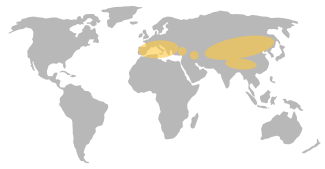
The Alpine accentor typically inhabits mountainous regions across southern Europe and Asia. It favors alpine and subalpine zones, often found at elevations above 2000 meters where it prefers rocky areas and grasslands.
Additional range
Occasionally found at lower elevations during winter, the Alpine accentor might inhabit open woodlands and rural areas, adapting to colder climates while avoiding extreme heat and dense forests.
Do they migrate?
The Alpine accentor typically resides year-round in its high-altitude habitats across its range, which includes mountainous regions of southern Europe, parts of the Middle East, and Central Asia. Unlike many other bird species, the Alpine accentor is generally a non-migratory bird, remaining in alpine and subalpine zones throughout the year. In regions where it resides, such as the Alps, Pyrenees, and Himalayas, the Alpine accentor adapts to seasonal changes rather than migrating. During winter, these birds may descend slightly to lower altitudes in search of food if the snow coverage becomes extensive. This altitudinal movement is not considered true migration but rather a local adaptation to environmental conditions. Overall, any movements the Alpine accentor makes are relatively limited and involve short distances. This adaptation allows them to exploit year-round access to alpine environments where they forage for insects, seeds, and other small organisms amidst rocky terrains. The absence of long-distance migration is a distinctive feature in their life cycle, confining them mainly to their breeding habitats throughout the year.
What is the role of Alpine accentors in nature and how to protect them?
Conservation status
The Alpine accentor is classified as "Least Concern" on the IUCN Red List, indicating it is relatively common and not currently at risk of extinction. However, it faces threats from habitat loss due to climate change and human activities, such as skiing and tourism development in alpine regions. Conservation efforts focus on habitat protection and monitoring population trends. Maintaining protected areas and promoting sustainable tourism are crucial to ensure the species' continued stability. While not currently endangered, ongoing observation is essential to mitigate any potential threats to its habitat and population.
Ecological role of Alpine accentors
Its role in the ecosystem
The Alpine accentor, a bird species commonly found in mountainous areas of Europe and Asia, plays a crucial role in its ecosystem. Its diet predominantly consists of insects and spiders, thus serving a significant role in pest control by keeping their populations in check. This benefits the overall health of the ecosystem by preventing overpopulation of these species, which may disrupt its balance. Furthermore, the Alpine accentor contributes to seed dispersal - their consumption of various berries and seeds inadvertently results in the spread of these plants. This aids in plant diversity and expansion, promoting the growth of the regions' flora. Thus, despite its small size, the Alpine accentor has a significant impact on maintaining biodiversity and ecological balance within its habitat.
How to help protect Alpine accentors
Preservation tips
Habitat preservation strategies for alpine accentor
To support Alpine accentor conservation, it's essential to prioritize habitat preservation. Efforts could include lobbying local government to restrict deforestation and disruption of Alpine areas, supporting reforestation initiatives, and writing or encouraging policies that protect high altitude habitats. Providing the birds with birdhouses and feeders can also help, especially during harsh winters.
Community science initiatives for alpine accentor
Community science initiatives are vital for improving our understanding of, and hence protecting, the Alpine accentor. Encouraging community members to participate in Alpine accentor spot counts gives scientists valuable data which can help track their movement, growth, and decline. Furthermore, educational initiatives can help raise awareness of the Alpine accentor's importance, and workshops can equip individuals with the knowledge and tools necessary to conserve the species.